What Makes Sports Betting in India Different From Other Markets

Best Sports Betting Sites in India for 2025 – Real Money Guide
A cricket fan in Mumbai places a ₹500 wager on India’s top batter to score a half-century before the first over begins, using a mobile app tailored for sports betting India. Sports betting India lets you predict outcomes like match winners, total runs, or player performances, with odds set by the platform based on real-time action. You deposit funds, select your bet type, and confirm the wager, with winnings credited instantly if your prediction holds—offering a straightforward way to engage more deeply with live games. The key appeal is its real-time engagement with every ball or goal, turning passive viewing into an interactive stake in the result.
What Makes Sports Betting in India Different From Other Markets
What makes sports betting India distinct is its deep fusion with cricket’s match-by-match rhythm, where betting flows follow the T20 overs rather than a fixed schedule, so you must read live momentum shifts instead of pre-game stats. Unlike Western markets that lean on American football or soccer spreads, Indian betting revolves around the run rate, wicket fall timing, and the toss decision, which alters your stake size within minutes. Payment friction also differs—you cannot rely on standard cards; instead, you need UPI, Paytm wallets, or crypto, and the withdrawal speed depends on local bank settlement windows, not the bookmaker’s promise. Odds are often quoted in decimal, but the real nuance is that bookies adjust lines based on regional fan bias, not just team strength. This means your edge comes from tracking local sentiment shifts, not just raw probability. Consequently, you must treat every bet as a short-lived event tied to the over’s outcome, not a season-long strategy.
Local Payment Methods You’ll Actually Use: UPI, Paytm, and Bank Transfers
When betting on sports in India, you’ll quickly realize that local payment methods like UPI, Paytm, and bank transfers are the real workhorses for moving money. Forget credit cards—these options are faster and don’t hit you with surprise fees. To get started, just follow this simple flow: first, pick your bookie’s “Deposit” tab and choose UPI or Paytm. Next, enter your UPI ID (like yourname@okbank) or scan the Paytm QR code. Finally, confirm the amount in your banking app—funds usually land instantly. For withdrawals, bank transfers are your safest bet, often settling within a few hours. Always keep your linked mobile number handy for OTP verification.
Betting on Cricket vs. Football vs. Kabaddi – Which Offers Better Value?
Cricket offers the best value in Indian sports betting due to its sheer volume of matches, deep liquidity, and predictable market movements—especially in IPL and bilateral series. Football provides consistent value through international leagues, with odds often tighter but less prone to manipulation than local markets. Kabaddi, though volatile, presents hidden value in live betting because bookmakers undervalue momentum shifts. For practical returns, cricket’s margin is lower on favorites, while kabaddi’s high variance suits small stakes. Football balances risk and reward, but cricket remains the most efficient market for informed bettors.
- Cricket’s deep data history allows sharper line-shopping.
- Kabaddi’s erratic scoring creates mispriced over/under totals.
- Football’s draw odds offer arbitrage windows during off-peak hours.
How Indian Odds Formats Work and Why They Matter for Your Payouts
In India, odds are most commonly displayed in the decimal format, where the number represents your total return per unit staked, including your original wager—so odds of 2.50 mean a ₹1,000 bet returns ₹2,500 total, yielding ₹1,500 profit. Some platforms also offer fractional or American formats, but misunderstanding these can directly reduce your expected payout. For instance, fractional odds of 6/4 imply a ₹1,500 profit on ₹1,000, while American +150 means the same, yet decimal odds of 2.50 immediately show the complete figure without mental math. Crucially, Indian odds formats directly determine your final payout calculation because a small misinterpretation—like reading 2.50 as ₹2.50 profit instead of total return—can lead you to misjudge risk versus reward. Since bookmakers rarely convert automatically, always check which format is active before placing your bet, as this single factor dictates whether you accurately estimate your net winnings or accidentally accept a lower return than expected.
How to Sign Up and Make Your First Deposit Without Any Hassle
You open the betting app on your phone, ready to jump into an IPL match, and the sign-up form takes under two minutes—just your name, mobile number, and a one-time password. For your first deposit in India, pick UPI (Google Pay or PhonePe) over cards, because it credits instantly and avoids bank hiccups. Always verify your KYC before depositing—upload a PAN card and Aadhaar proof first, or your withdrawal will stall later. Choose a bonus that matches your deposit amount, like a 100% match, but read the rollover terms so you aren’t surprised. Then set a limit of ₹500, tap “Deposit,” and the money lands in seconds—no paperwork, no calls. The trick is to treat the first deposit like testing a new chai stall: small, quick, and only after checking the stall’s cleanliness.
Step-by-Step Guide to Creating an Account in Under Five Minutes
Creating your sports betting India account in under five minutes is totally doable if you’ve got your ID and payment method ready. Start by hitting the bright “Register” button on the bookmaker’s homepage, then pick either phone or email verification—phone is faster for most folks. Fill in your name, DOB, and a strong password, but don’t overthink it; autofill works fine. Next, drop in your 12-digit Aadhaar or PAN for a quick KYC check, and snap a photo if prompted. Finally, set your deposit limit and confirm via OTP. That’s it—you’re ready to fund. For a **quick sports betting account setup**, keep your documents tab open to avoid upload delays.
Q: What if I get stuck during the step-by-step guide to creating an account in under five minutes? Just refresh the page—your progress usually saves, and re-entering the OTP takes less than thirty seconds.

Understanding Minimum Deposits and Hidden Fees on Indian Rupees
Before funding your account, check the minimum deposit threshold in INR, as it typically ranges between ₹500 and ₹1,000, but varies by payment method—UPI often has a lower floor than bank transfers. Hidden fees usually surface during currency conversion if your payment gateway processes in USD, adding 2–3% above the mid-market rate. To avoid surprises, verify whether the platform charges a deposit processing fee, which some operators hide in the “terms” section rather than at checkout. A clear sequence: first, select UPI or net banking to avoid conversion costs; second, review the deposit page for a “fees” breakdown; third, test with the minimum amount to confirm the credited balance matches exactly; and fourth, contact support if any discrepancy appears, since refunds for fees are rarely automatic.
How to Claim Welcome Bonuses on Your First Two Deposits
To claim welcome bonuses on your first two deposits in India, start by checking the promotions page immediately after signup—most bookmakers require you to opt in before funding. Make your first deposit using UPI or netbanking, then enter the bonus code if one is displayed, as missing this step forfeits the offer. The second deposit bonus usually activates automatically once you meet the first deposit’s rollover threshold, but verify the minimum amount (often ₹1,000) to qualify. Maximizing your first two deposit bonuses means reading wagering requirements carefully—typically 5–10x on the bonus amount—before you bet. Timing matters: some sites give you only 7 days to claim the second bonus after the first.

- Opt in via the “Promotions” tab before each deposit.
- Use the exact payment method listed in the bonus terms (e.g., UPI only).
- Track your rollover progress in the “My Bonuses” dashboard.
- Withdraw winnings only after the wagering requirement is complete.
Smart Betting Strategies for Indian Sports Fans
For Indian sports fans diving into sports betting India, smart strategy starts with specializing in one sport—whether it’s IPL cricket or Pro Kabaddi—so you can track player form and pitch conditions like a local expert. Set a strict weekly budget for your betting wallet, and never chase losses with a hasty “double-up” bet, as that’s the fastest route to a blown bankroll. Use live betting to your advantage in high-scoring T20 matches, but only place those wagers when you’ve seen the first few overs and can judge momentum shifts. Betting on your favorite team often clouds your analysis with heart, not head—so back value, not loyalty. Finally, track every bet in a simple notebook to spot patterns, and stick to well-known markets like match winner or top batsman to avoid confusing prop bets. This disciplined approach keeps sports betting India fun and sustainable.
Using Live Cricket Data to Place In-Play Bets on IPL Matches
For IPL in-play betting, live cricket data streams are your edge, not the broadcaster’s commentary. Track ball-by-ball dot-ball pressure, boundary frequency against specific bowlers, and the chasing team’s required run rate adjusted for dew. Pivot to the batting side only when strike rotation exceeds 70% in the middle overs, and short-priced favorites at 1.50 can be backed if the projected total based on current run velocity is within 10 runs of the market line. Avoid reacting to singles; wait for a wicket or a powerplay over to reassess your position.
- Compare live velocity ratings (runs per over since the 7th over) against the bookmaker’s updated line before each strategic timeout.
- Use projected par scores from live models that factor in the number of set batters, not just wickets lost.
- Never place a bet during a ball’s delivery; only between overs when the data refreshes with the latest dot-ball percentage.
Bankroll Management Tips That Work for Small and Large Bettors
Whether your kitty is ₹500 or ₹5 lakh, the core of sports betting India bankroll management stays identical: protect capital before chasing profit. For small bettors, cap each wager at 1–2% of your total balance—this turns a few bad days into a survivable slump, not a bust. Large bettors must avoid the trap of “safe” high-stakes parlays; instead, split your bankroll into weekly blocks. Follow this sequence:
- Set a fixed unit size (e.g., ₹50 for small, ₹10,000 for large) and never deviate mid-session.
- Withdraw 20% of any weekly profit immediately—this locks gains and forces you to reset mentally.
- After three consecutive losses, drop your unit size by half for the next five bets to rebuild confidence.
Always track every rupee wagered; if you’re down 10% from your starting bankroll, stop betting for 48 hours. That discipline works identically for a college student and a high-roller, because variance respects no budget.
When to Bet on Favorites vs. Underdogs in Indian Leagues
In Indian leagues like the IPL or ISL, backing favorites works best early in a season, when form is volatile and top squads exploit weaker opposition’s unsettled combinations. Conversely, underdogs offer value after mid-season fatigue, especially on spin-friendly pitches or at high-altitude venues where the favorite’s reliance on pace collapses. Smart betting on Indian leagues demands tracking head-to-head records, not just table position—Chennai Super Kings, despite being underdogs, often dominate Mumbai Indians at Chepauk. Never bet on a favorite above 1.40 odds in a monsoon-affected game, as rain-shortened overs flatten class differences.
Fast Withdrawals and Cash-Out Options You Need to Know
For Indian bettors, fast withdrawals hinge on selecting UPI or IMPS, which typically credit within minutes, whereas bank transfers can take up to 24 hours. Always verify your KYC documents beforehand, as incomplete verification is the primary cause of delayed payouts. When using cash-out, remember that the offered value is dynamic — it drops sharply in live play, so decide based on the current match state, not your original stake. For early cash-outs, partial options let you secure a portion of profit while keeping a reduced bet active. Your fastest route is a pre-verified account with UPI selected. Q: What is the smartest cash-out timing in cricket? A: Cash out right after a wicket falls or a tight over ends, when the market hasn’t fully repriced, rather than mid-over when odds shift erratically.
How to Withdraw Your Winnings to Your Bank Account in 24 Hours
To get your winnings in hand within 24 hours, start by heading to the cashier and selecting your preferred bank transfer option. Ensure your KYC documents are already verified—this is the single biggest delay trigger. Next, enter the exact amount, double-checking that it meets the site’s minimum withdrawal limit. Opt for instant bank transfer methods like UPI or IMPS rather than standard NEFT, since these process in near real-time. Many Indian platforms also allow you to speed things up by paying a small fee for priority processing. Finally, submit your request early in the morning on a business day—this avoids weekend banking holds and pushes the funds straight into your account before the next day ends.

Cash-Out Feature Explained: Locking in Profits Before the Match Ends
The cash-out feature is your live escape hatch, letting you settle a bet before the final whistle and pocket a guaranteed return. Instead of sweating through the last over or a tense penalty shootout, you can lock in profits the moment your side takes a commanding lead. The bookmaker calculates a real-time payout based on current odds, so if the match momentum shifts, your cash-out value drops instantly—acting fast is key. For Indian bettors, using this tool strategically during IPL chases or high-stakes football derbies turns anxiety into a calculated exit. Locking in profits before the match ends protects your bankroll from sudden reversals, ensuring a winning position never slips away.
What Verification Documents to Prepare for Quick Payouts
To avoid delays when requesting withdrawals from Indian betting sites, pre-emptively submit a clear photo of your government-issued ID, such as Aadhaar, PAN card, or passport. Most platforms require proof of address—a utility bill or bank statement dated within the last three months—matching your registered name. For UPI or bank transfer payouts, verify your bank account details by uploading a cancelled cheque or a screenshot of your passbook. Ensure your payment method is pre-verified before depositing. If you used e-wallets, link and confirm the account early. A selfie holding your ID may be requested for biometric checks. Complete these steps immediately after sign-up to ensure fast withdrawal verification for Indian bettors. Typical sequence:
- Upload ID proof (front and back).
- Upload address proof.
- Verify payment method (bank Parimatch or wallet).
- Complete a live selfie or video call if prompted.
Mobile Betting Apps and Features That Give You an Edge
In India’s fast-paced betting landscape, the right mobile app turns a casual wager into a calculated strike. Look for apps offering **real-time cash-out** during live cricket or kabaddi matches—this locks in profit before a collapse. Features like one-tap “bet builder” for IPL player props and instant UPI withdrawals give you speed over bookmakers. Push alerts for line movements on Indian T20 leagues let you jump on odds before they shorten. A stable in-play scoreboard with lag-free visuals is non-negotiable for quick decisions. Q: What single feature matters most? A: Live streaming alongside your bet slip—watching the pitch conditions in Ranchi or Chennai lets you adjust stakes mid-over, something static stats never will. Choose apps that prioritize these tools, not flashy bonuses.
Comparing the Best Mobile Apps for Lag-Free Live Streaming and Betting
For India’s cricket-heavy live markets, lag-free mobile betting apps depend on server proximity and lightweight streaming codecs. Compare 10CRIC and Betway for their adaptive bitrate engines, which drop resolution without freezing odds updates during IPL overs. PariMatch stands out with a split-screen mode that maintains a sub-200ms feed while you tap in-play wagers. Testing on Jio 5G, Dafabet’s latency peaked at 1.4 seconds, whereas Fun88’s dedicated India CDN stayed under 700ms. Prioritize apps that cache match stats locally, because buffering often ties to device memory, not network speed. A clear testing sequence is:
- Enable “low data mode” to force the stream’s baseline quality,
- Place a dummy bet on a low-liquidity market to gauge update response,
- Check background Wi-Fi switching—real-time bets should not pause the video.
Push Notifications and Alerts – How to Set Them Up for Big Matches
To set up push notifications for high-stakes cricket or football fixtures on Indian betting apps, navigate to the app’s “Settings” or “Alerts” menu, then toggle on match-specific triggers like kickoff reminders, line-up changes, or live odds shifts. Ensure your device allows background app refresh to avoid delays. For marquee events like an India-Pakistan clash, enable “VIP” or “priority” alerts to bypass silent mode. Real-time betting alerts for IPL matches often require you to select the specific league, so opt into all relevant tournaments during initial setup. Finally, test notification latency using a free demo match before the big day.
Q: Can I set alerts for only the final over of a close match?
A: Yes—filter by “critical moments” or set a custom score threshold, and the app will push a notification when that condition is met.
Multi-Bet and Accumulator Options on Your Phone Without a Desktop
Building multi-bets and accumulators on your mobile is not just a convenience—it’s a sharper way to lock in value before odds shift. With top Indian betting apps, you can combine 4 to 12 selections across cricket, kabaddi, or football in seconds, using a single tap-to-add interface that mirrors the desktop’s slip builder. The real edge is **live accumulator editing on the go**: you can cash out early or add a last-minute leg during a rain delay, directly from the match timeline. To maximize returns without a desktop, follow this sequence:
- Pick a league-focused app with a “multi-bet builder” filter.
- Tap each selection to auto-calculate combined odds instantly.
- Set a “partial cash-out” trigger for staggered profit protection.
Your phone’s push notifications also alert you to boosted acca promotions, letting you stake higher margins right from the sofa or the stadium stands.
- Published in Uncategorized @ro
Matching the Right Bullet Weight to Your Shooting Goals
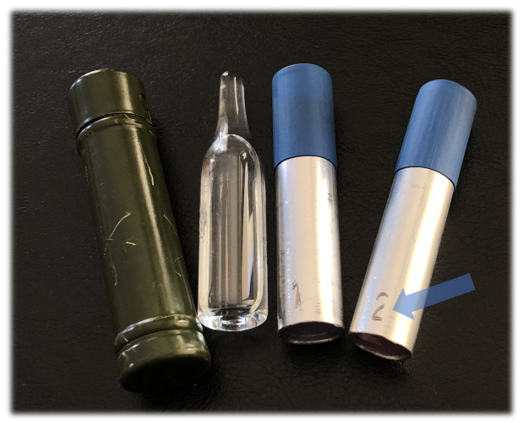
The Best Handgun Ammo for Self-Defense, Target Practice, and Hunting
Handgun ammo is a self-contained cartridge that bundles a primer, propellant powder, and a bullet into a single metallic case, ready to fire with one pull of the trigger. When the firing pin strikes the primer, it ignites the powder, creating rapidly expanding gas that pushes the bullet down the barrel with reliable precision. This all-in-one design makes it incredibly simple to load, carry, and shoot, so you can focus on accurate shot placement instead of fiddling with loose components. Just pick the right caliber for your handgun, seat the round fully into the chamber, and you’re set for a smooth, consistent experience at the range or in practice.
Matching the Right Bullet Weight to Your Shooting Goals
Selecting the right handgun ammo begins with matching bullet weight to your specific shooting goals. For competitive shooting or rapid target engagement, lighter bullets (115–124 grain in 9mm) produce less recoil and quicker follow-up shots, while heavier projectiles (147 grain) offer a flatter trajectory at longer distances due to superior ballistic coefficient. For defensive carry, heavier weights penetrate deeper and expand more reliably through barriers, but require more practice to manage recoil. Plinking and casual range sessions favor lighter, cheaper loads that reduce muzzle flip without compromising accuracy. The most critical factor is testing your chosen weight against your pistol’s twist rate and spring tension, as some firearms cycle only reliably within specific grain ranges. Always chronograph your loads and verify point-of-impact shifts at your intended distances—never assume identical zeroes across weights. Ultimately, the best bullet weight is the one that lets you place consistent shots on target for your primary use case.
How Lightweight Rounds Deliver Speed Versus Heavy Rounds That Pack Punch
Lightweight rounds, such as 115-grain 9mm loads, accelerate faster and produce flatter trajectories, reducing bullet drop and wind drift at typical handgun distances, which translates to quicker target acquisition for follow-up shots. In contrast, heavy rounds like 147-grain or 230-grain .45 ACP retain more momentum on impact, delivering deeper penetration and a more substantial temporal cavity through dense tissue or barriers. The trade-off centers on kinetic energy distribution: speed favors minimal recoil impulse and rapid sight reset, while mass favors sustained force transfer. For defensive or competition use, the choice hinges on whether you prioritize velocity-driven precision or terminal punch. Bullet weight selection determines recoil management and penetration depth, so test both to match your shooting goals.
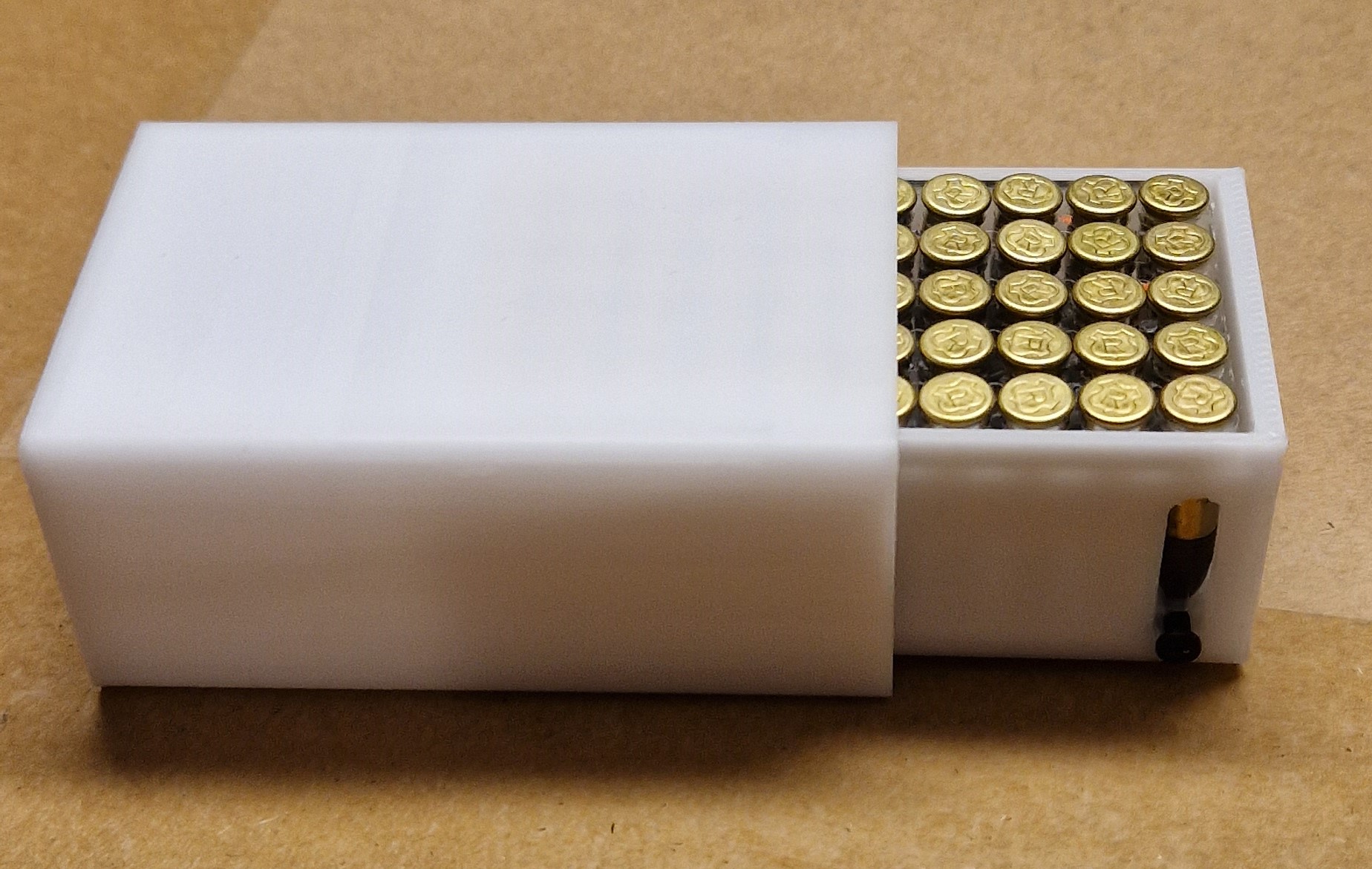
- Verify your firearm’s https://specialtysportsandsupplyltd.com/ twist rate stabilizes lighter projectiles for consistent accuracy.
- Chronograph both loads to compare muzzle velocity and energy at 25 yards.
- Assess felt recoil and split times to gauge practical speed.
Choosing Grain Weight for Concealed Carry, Target Practice, or Competition
For concealed carry, select a heavier grain weight—typically 147-grain in 9mm or 230-grain in .45 ACP—because it promotes deeper, more consistent penetration through clothing and barriers while reducing felt recoil for faster follow-up shots. For target practice, choose lighter loads like 115-grain or 124-grain to minimize cost and muzzle flip, allowing you to focus on sight alignment and trigger control over hundreds of repetitions. For competition, match your grain weight .35 Remington Ammo for Sale to your division’s power factor requirements: 124-grain for minor scoring in USPSA or 147-grain for major in IDPA, as the heavier bullet’s momentum stabilizes your splits. The same cartridge can feel radically different across these loads, so test at least three weights before committing.
- Define your primary use: carry (heavy), practice (light), competition (power-factor-specific).
- Fire 50 rounds of each candidate at 10 and 25 yards, noting group size and recoil impulse.
- Lock in the grain weight that offers optimal balance of accuracy and controllability for your chosen scenario.
Understanding Bullet Construction: What Happens on Impact
When a handgun round strikes tissue, bullet construction dictates the wound profile. Full metal jacket (FMJ) rounds, with a copper shell over a lead core, typically pass through without expanding, creating a narrow, permanent cavity and risking over-penetration. In contrast, jacketed hollow points (JHP) are engineered to expand upon hydraulic pressure, flattening into a wider mushroom shape that disrupts more tissue and transfers energy efficiently. This expansion depends on velocity at impact—too slow, and the hollow point may plug with fabric; too fast, and the jacket may separate from the core, reducing penetration depth. A bonded JHP fuses jacket and core to prevent separation, ensuring consistent expansion through barriers like denim. Choose bonded JHPs for defensive loads if you expect shots through heavy clothing. Q: Why does a JHP expand? A: Fluid pressure inside the hollow cavity forces the jacket petals outward, enlarging the bullet’s diameter and decelerating it rapidly.
Full Metal Jacket Rounds for Penetration and Range Training
When you’re looking at handgun ammo for the range, Full Metal Jacket rounds for penetration and range training are the go-to choice because the hard copper casing keeps the bullet intact on impact. Unlike hollow points, an FMJ won’t expand or fragment—it punches straight through paper, steel, or even drywall, which makes it perfect for practicing defensive shots that might encounter barriers. This simple construction also means less fouling in your barrel and consistent, reliable feeding, so you can run .338 Lapua Ammo for Sale hundreds of rounds without a hiccup. Plus, they’re easy on your wallet, letting you train more without overthinking ammo costs. Just remember, their deep penetration isn’t ideal for home defense, so stick with them for target practice only.
Full Metal Jacket rounds give you predictable, deep-penetrating practice ammo that’s affordable and reliable—perfect for range drills, not self-defense scenarios.
Hollow Points That Expand Reliably for Self-Defense Situations
For self-defense, reliable hollow point expansion depends on the bullet’s jacket thickness, core hardness, and impact velocity. A properly designed hollow point must consistently open within a specific velocity window, typically 850–1,200 fps, ensuring performance from short-barreled carry guns. If expansion fails, the projectile behaves like a full metal jacket, over-penetrating and reducing stopping power. Expansion reliability is more critical than maximum diameter, as a consistent 0.45-inch wound channel beats an inconsistent 0.60-inch one. To verify this, test your chosen load in your exact firearm, using water, gel, or clothed barriers, to confirm expansion at your gun’s muzzle velocity. Recoil spring weight and barrel length affect this, so re-validate after any modification.
Q: How does barrel length affect hollow point expansion reliability?
A: Shorter barrels (under 3 inches) reduce velocity, potentially causing under-expansion. Use loads engineered for low-velocity expansion, or opt for a bonded-core hollow point with a skived jacket that opens aggressively at lower speeds.
Why Velocity and Pressure Dictate Felt Recoil and Accuracy
In handgun ammo, velocity and pressure are the twin forces that shape both what you feel and where the bullet lands. Higher pressure, generated by fast-burning powders, spikes the bolt or slide rearward with sharper impulse, translating to snappier felt recoil rather than a smooth shove. Meanwhile, velocity dictates accuracy by flattening trajectory and shortening time-to-target, but excessive speed can outpace the bullet’s stability, causing keyholing or erratic dispersion. Conversely, low pressure and velocity yield a sluggish, mushy trigger cycle that disrupts your grip and sight alignment. The sweet spot is a pressure curve that pushes the bullet briskly without exceeding the firearm’s locking tolerance—this balance keeps the muzzle rise predictable, allowing faster follow-up shots and consistent group placement. Bottom line: choose handgun loads whose velocity and pressure match your barrel length and recoil spring, because mismatched pairs amplify both flinch and missed hits.
Reading Box Specs to Predict Snap Versus Push in Your Grip
Before you even seat a magazine, the box’s numbers telegraph your grip’s fate. A light bullet, say a 115-grain at 1,200 fps, produces high-velocity snap—a sharp, wrist-flicking impulse that punishes loose support-hand tension. Conversely, a heavy 147-grain subsonic at 950 fps delivers a slower, rolling push that shoves the frame rearward, testing your palm’s crush strength more than your elbow’s lock. Check the momentum (bullet weight × velocity): below 4.2 units feels snappy; above 5.0, you’re bracing for a shove. This spec reading lets you pre-set your grip—firm knuckles for snap, deeper heel pressure for push—so your sight picture barely blurs.
How Faster Loads Flatten Trajectory at Typical Engagement Distances
At typical handgun distances—7 to 25 yards—a **faster load flattens trajectory** so radically that holdover becomes a non-issue. A 115-grain load at 1,200 fps drops only about 1.2 inches at 25 yards versus a 147-grain subsonic’s 2.5 inches, meaning you can hold dead-on the chest without compensating. This flatter arc reduces vertical dispersion from shooter error, because slight muzzle elevation changes produce smaller point-of-impact shifts. Speed also shortens time-to-target, so the bullet departs before your 6.5x57mm Mauser Ammo for Sale front sight lifts from recoil, keeping the path more linear. For defensive shots at 10 yards, the difference is negligible, but at 25 yards, faster loads keep impacts within a palm-sized zone instead of drifting toward the belt line. If you shoot steel or competition, that flatness lets you call hits without guessing drop.
Caliber-Specific Trade-Offs That Affect Your Everyday Carry
Choosing your carry caliber is a direct compromise between **controllability, capacity, and penetration**. A Ammunition for Sale 9mm allows a tighter grip and faster follow-up shots, fitting more rounds in the same holster profile, while a .45 ACP delivers a larger wound channel but punishes recoil control and typically leaves you with fewer rounds. For deep concealment, a micro-.380 wins on weight and shootability but demands exact shot placement because it often lacks the barrier penetration of a service round. A .40 S&W splits the difference with a sharp recoil impulse that many shooters flinch from, negating its ballistic edge. The real trade-off is not power but what you can consistently place under stress.
Your holster conceals what you can shoot fast, not what you can brag about.
So, select the caliber that lets you keep both eyes open and the front sight on target before you worry about kinetic energy.
9mm Luger Balance of Capacity and Controllability
The 9mm Luger’s practical edge in everyday carry stems from its balance of capacity and controllability, a calibration that directly affects your split times and follow-up shot placement. Because case pressure and bullet weight allow for a snappy but manageable recoil impulse, you keep the muzzle on target faster than with .40 S&W, while the shorter cartridge case permits a thinner grip profile and tighter magazine stack. To exploit this balance in your carry setup:
- Choose a 124-grain standard-pressure load, as it cycles reliably without the torque of +P.
- Maintain a firm, high thumbs-forward grip to counter the slight upward rotation.
- Practice controlled pairs at 7 yards, counting how many rounds you can land inside a palm-sized zone before your sight picture drifts.
This capacity (typically 15–17 rounds in a compact frame) remains usable only if your recoil management keeps the second shot aligned—so prioritize grip strength over mere bullet energy.
.45 ACP Stopping Power Trade-Offs in Frame Size and Magazine Count
The .45 ACP’s renowned stopping power comes at a direct cost to frame size and magazine count trade-offs, forcing a brutal compromise at the holster. Full-size steel frames tame recoil and allow 10-round magazines, but their bulk makes all-day concealment a back-breaking ordeal. Conversely, compact or polymer frames hide easily but shrink capacity to six or seven rounds, demanding precise shot placement when adrenaline spikes. You sacrifice either the ballistic margin of the .45’s heavy slug or the capacity buffer that saves you in a multiple-threat scenario. There is no free lunch: you choose a heavier, slower draw with more ammo, or a lighter, faster draw with fewer chances to land a fight-stopping hit.
A .45 ACP’s stopping power is only as useful as your ability to carry the frame that holds it and the limited rounds 6.5×55 Swedish Ammo for Sale you can spare.
.380 ACP and Other Subcompact Rounds for Recoil-Sensitive Shooters
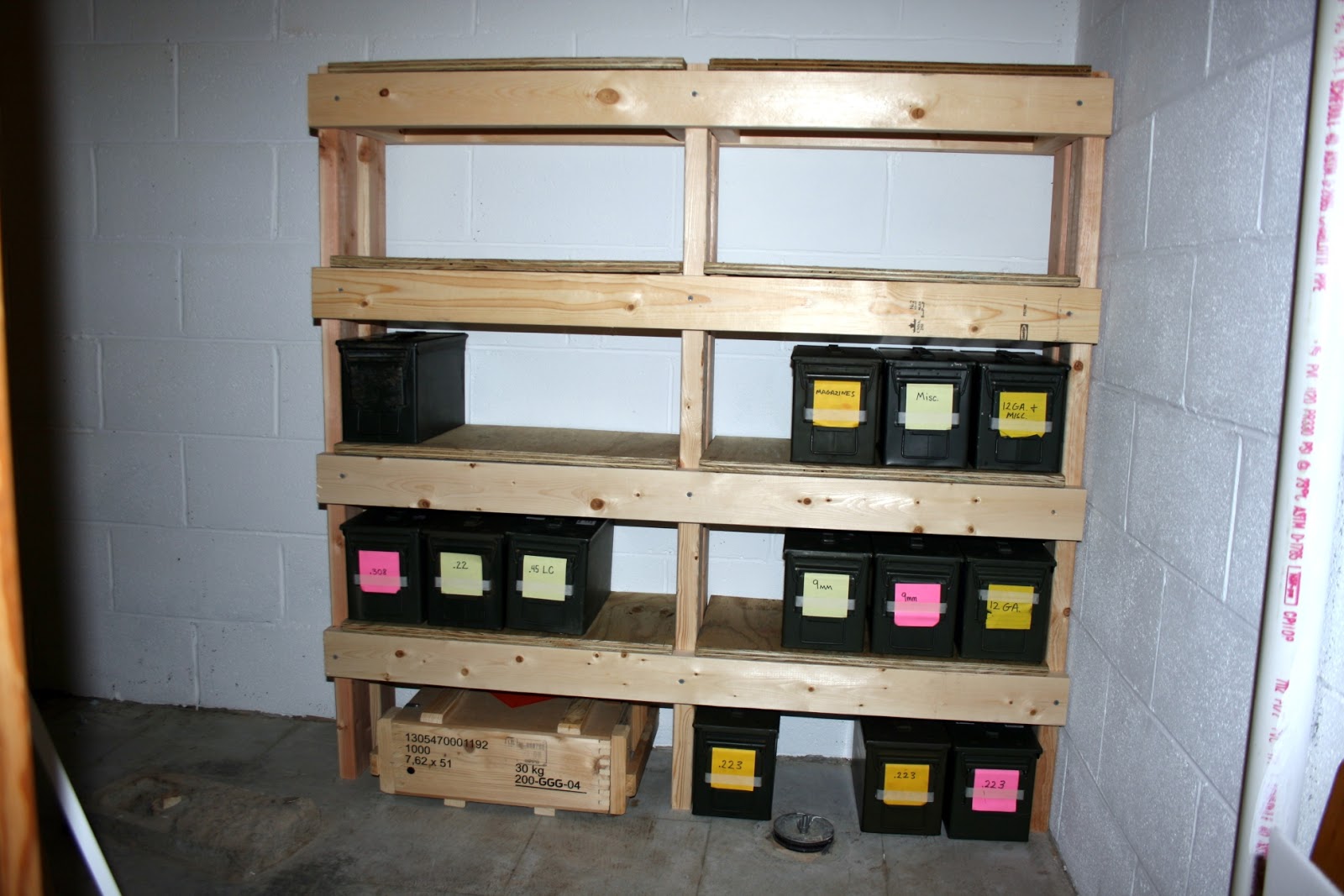
For recoil-sensitive shooters, .380 ACP and other subcompact rounds offer a critical balance between controllability and defensive viability. The .380’s reduced felt recoil, compared to 9mm Luger, allows faster follow-up shots and more consistent grip management in tiny polymer frames like the Ruger LCP or Glock 42. Alternatives such as .32 ACP and .25 ACP further soften impulse, but with markedly less terminal effect, making premium defensive loads—like Federal Hydra-Shok Deep or Hornady 6.8 SPC Ammo for Sale Critical Defense—essential to maximize penetration and expansion. Practice with these calibers also promotes better trigger control, since muzzle flip is less punishing. Choose a round whose recoil you can manage for repeated magazines without flinching.

- Select 90-grain or 95-grain jacketed hollow points for reliable expansion from short barrels.
- Test at least three brands—some .380 loads feel snappier than others despite similar weight.
- Confirm your firearm cycles low-recoil practice ammunition reliably .32 Win Special Ammo for Sale before carrying it.
- Use a grip sleeve or extended magazine basepad to improve purchase on subcompact 6.5x57R Ammo for Sale frames.

Practical Tips for Storing, Inspecting, and Rotating Your Stash
Keep your handgun ammo in a cool, dry spot—think a sealed ammo can with a desiccant pack, not a damp garage shelf. Inspect every round before it goes into a magazine: look for deep scratches, corroded cases, or primers that sit proud or pushed in, and reject anything with a loose bullet. Rotate your stash by using the oldest boxes first—shoot that range ammo from last summer before cracking into the new batch, and mark purchase dates on the box with a sharpie so you’re never guessing. Every six months, pull a few rounds from the bottom of the can to check for tarnish or green spots, which mean moisture snuck in. That “sealed” box from the factory isn’t a promise, just a starting point. Finally, cycle defensive loads at least yearly—fire them off and replace with fresh, because a round that’s been chambered and rechambered can setback the bullet, spiking pressure. Keep your stash flowing, not fossilizing.
Signs of Corrosion, Dents, or Primer Issues You Should Never Ignore
Green or white powdery residue around the primer pocket or case mouth signals corrosion that can weaken case integrity and cause pressure failures. Dents on the case body, especially near the shoulder or rim, may obstruct chambering or induce feeding malfunctions in your handgun. A protruding, struck, or missing primer is a critical safety defect indicating potential misfires or hangfires, so discard any round with an off-center or shallow primer strike. Never fire ammunition with cracked case necks or deep scratches, as these compromise the seal and invite gas leakage. If primers appear flattened or cratered after removal, stop using that lot immediately. Q: What should you do if you spot green corrosion on your handgun ammo? A: Segregate the affected rounds and dispose of them properly, because corrosion degrades the propellant and primer reliability, risking a squib or delayed ignition.
Best Practices for Ammo Canisters, Desiccants, and Shelf Life
For handgun ammo, the best start is a quality ammo canister with a rubber gasket seal—it keeps out humidity and dust. Toss in a few desiccant packs (silica gel works great) and replace them every few months or when they change color. Even with a sealed can, rotating your stash matters: use older boxes first, and check for corrosion or tarnishing every six months. Keep cans in a cool, dry spot—avoid attics or garages. If stored properly, most defensive and practice ammo holds up for a decade or more without issues.
Seal it, dry it, check it yearly—gasketed cans plus fresh desiccants keep handgun ammo reliable for years.
How to Test Multiple Brands to Find the Most Consistent Lot for Your Barrel
To find the most consistent lot for your barrel, buy 100-round boxes from at least three brands using the same bullet weight and profile. Fire five-shot groups at 15 yards from a rested position, recording group sizes and point-of-impact shifts. Then, shoot 10 rounds of each brand through a chronograph to measure velocity spread; a standard deviation under 15 fps indicates a lot worth stockpiling. Test each brand across two separate sessions to account for temperature and barrel fouling—*the lot that holds its group size after 50 rounds is your true keeper*. Rotate between the top two lots to confirm repeatability before committing to a bulk purchase.
Q: How do you isolate the best lot when testing multiple brands?
A: Shoot each brand from a cold barrel first, then repeat the order after a 10-minute cooldown; the brand with the tightest average group and lowest velocity variance across both sessions wins, as it tolerates barrel heat and fouling consistently.
- Published in Uncategorized @ro
Как читать коэффициенты и не терять деньги новичку
Ставки на спорт как стратегия заработка секреты профессионалов
Ставки на спорт — это не просто азарт, а интеллектуальная битва, где анализ, интуиция и знание игры превращаются в реальные выигрыши. Каждый матч — это шанс перевернуть игру в свою пользу, ощутив адреналин каждой секунды. Открой для себя мир, где прогноз становится стратегией, а эмоции — частью выигрышной тактики!
Как читать коэффициенты и не терять деньги новичку
Когда я впервые увидел строку «1.85 против 2.10», мне показалось, что это шифр для избранных. Но правда проще: коэффициент — это не магия, а вероятность, умноженная на честность букмекера. Новичок чаще теряет деньги не из-за плохих прогнозов, а из-за того, что путает ценность с жадностью. Если коэффициент 3.00 на явного аутсайдера — это не подарок, а ловушка для эмоций. Начните с малого: ставьте только на те события, где вы разбираетесь, и всегда считайте, сколько вы готовы потерять без сожаления. Главное правило выживания — не гнаться за «жирными» цифрами, а искать недооценённые исходы. Помните: даже профессионал выигрывает в 55% случаев, поэтому ваш банк — это марафон, а не спринт. Дисциплина важнее интуиции — именно она отделяет игрока от азартного мечтателя.
Десятичные, дробные и американские форматы: что выбрать
Разобраться в коэффициентах — первый шаг к тому, чтобы не сливать банкролл в первый же вечер. **Грамотная оценка вероятности события — ваш главный финансовый инструмент.** Коэффициент 2.0 означает, что букмекер оценивает шанс в 50%, но если вы видите явный перекос — например, слабая команда дома против гранда, а цифры завышены, — это сигнал к осторожности. Не гонитесь за «жирными» кэфами ради адреналина: помните, что маржа уже заложена в каждую линию. Лучше искать «валуй» — ситуации, где ваша оценка выше конторы, но ставьте максимум 1–2% от банка на исход. Начните с простых рынков: П1, П2, тоталы. И никогда не используйте догон вслепую.
Маржа букмекера и почему она съедает ваш банк
Чтобы читать коэффициенты и не терять деньги новичку, нужно понять главное: коэффициент — это не просто цифра, а вероятность события, заложенная букмекером. Умение читать коэффициенты — база финансовой безопасности в ставках. Новичок должен сразу запомнить: чем ниже кэф, тем выше шанс прохода, но и меньше выигрыш. Дробные и десятичные форматы — это одно и то же, просто разные записи (1.85 = 17/20). Не гонитесь за «жирными» цифрами в 3.0+ на фаворитах — это ловушка маржи. Главный секрет — сравнивайте линии разных контор и ищите валуй (завышенный кэф относительно реальной вероятности). Ваша задача — не угадать исход, а найти ошибку букмекера. Тогда дистанция будет в плюс, а банк — цел.
Стратегии управления игровым банкроллом
Управление игровым банкроллом — это не просто сухая математика, а искусство выживания за карточным столом или в мире ставок. Представьте свой капитал как костёр: если бросать в него все дрова разом, он вспыхнет и погаснет, оставив лишь пепел. Опытный игрок всегда делит банк на сотни мелких частей, устанавливая строгий лимит на одну ставку — обычно не более 2–5% от общей суммы, словно отмеряя порцию драгоценного зелья. Ключевая стратегия — «фиксированный процент», где размер пари не меняется даже после серии побед, защищая от эйфории. Не менее важно правило «стоп-лосс»: заранее определённая точка, где вы встаёте из-за стола, даже если азарт шепчет «ещё одну». Это дисциплина, превращающая хаос случайности в управляемый поток, где дистанция важнее мгновенного выигрыша, а холодный расчёт побеждает горячее сердце. Иначе банкролл тает, как снег под весенним солнцем, оставляя лишь горький урок о том, что без стратегии даже удача — лишь отсроченное разорение.
Флэт: простая математика для стабильной игры
Управление игровым банкроллом — это фундамент долгосрочной прибыли, а не просто набор скучных правил. **Грамотное распределение капитала** позволяет пережить неизбежные полосы неудач и сохранить эмоциональную стабильность. Главный принцип — разделить банкролл на фиксированные доли (обычно 1–5% от общей суммы) и ставить только эту долю на каждое событие. Это защищает от мгновенного разорения и даёт математическому преимуществу шанс реализоваться. Никогда не увеличивайте ставки после проигрыша — это верный путь к сливу. Вместо этого строго следуйте выбранной стратегии, будь то флэт или процентный метод.
- Флэт: одинаковая сумма на каждую ставку.
- Процентный метод: ставка = фиксированный % от текущего банка.
- Критерий Келли: расчёт оптимального размера на основе вероятности.
Дисциплина и холодный расчёт — ваши главные союзники. Записывайте каждую ставку, анализируйте серии и корректируйте стратегию только после 100+ событий. Если банкролл вырос на 20–30%, можно увеличить базовую единицу, но не более.
Вопрос: Как поступить при серии из 10 проигрышей? Ответ: Оставайтесь на той же сумме или снизьте её на 25% — это сохранит банк до возврата дисперсии.

Критерий Келли: агрессивный рост или быстрый слив
Грамотное управление банкроллом — это фундамент долгосрочной игры, а не просто набор скучных правил. Стратегии управления игровым банкроллом превращают хаотичные ставки в системный процесс, где эмоции уступают место математике. Ключевой принцип — разделение капитала на фиксированные единицы (юниты), обычно 1–5% от общего баланса на одну ставку. Это позволяет пережить серии неудач без полного обнуления депозита, сохраняя шанс на отыгрыш. Важно также устанавливать дневные и недельные лимиты проигрыша, после которых вы обязаны остановиться. Рекомендуется вести журнал ставок для анализа ошибок и корректировки тактики.
- Флэт-беттинг: одинаковая сумма на каждое пари
- Критерий Келли: расчёт размера ставки на основе перевеса
- Фиксированный процент: реинвестирование прибыли в рост юнита
Догон: рискованный путь к восстановлению убытков
Управление игровым банкроллом — это твой финансовый щит, который не даёт азарту съесть всё сразу. Правило простое: никогда не рискуй суммой, потеря которой ударит по бюджету. Раздели банкролл на сессии — например, 5–10% от общей суммы на один день, и жёстко лимитируй ставку (1–3% от банка за спин или раунд). Веди учёт — даже в блокноте, это дисциплинирует. Не гонись за проигрышем: как только минус достиг 30% от банка — стоп на сегодня. Диверсификация ставок по волатильности и таймингу игр снижает риск слива за час. Используй стоп-лосс и тейк-профит: выиграл +20% — забирай половину, проиграл −15% — выходи. Банкролл — это не касса, а инструмент, который должен пережить даже плохую серию.
Анализ матча: где искать скрытые сигналы
Анализ матча — это не просто статистика владения мячом или ударов по воротам, а искусство чтения скрытых сигналов, которые определяют истинный ход игры. Прежде всего, обращайте внимание на позиционные сдвиги крайних защитников: их смещение выше полуфлангов указывает на перегрузку зоны, которую соперник сознательно оголяет для контратак. Скрытым сигналом служит и язык тела — опущенные плечи плеймейкера после неудачного паса, резкие жесты вратаря, требующего перестроить стенку, — всё это выдает тактический дискомфорт, который не виден в протоколе. Ключевой индикатор — разрывы между линиями: если центральные хавбеки теряют визуальный контакт с форвардами более 5–7 секунд, команда испытывает структурный разрыв, который букмекеры и аналитики часто пропускают. Для SEO-продвижения разборов используйте метки «скрытые тактические паттерны» и «предматчевые индикаторы», выделяя их жирным в тексте. Настоящий профи видит игру в темпе смены фаз: отбор → первая передача → смещение опорника — и фиксирует, кто ломает ритм, а не просто бьет по воротам. Только так вы перестанете гадать и начнете прогнозировать исход с точностью до 80%.
Мотивация команд и турнирная таблица как ключевой фактор
Анализ матча — это не только статистика владения и ударов, но и поиск “скрытых сигналов”, которые проявляются в микромоментах игры. Обращайте внимание на позицию опорного полузащитника при розыгрыше мяча вратарем — если он опускается между центральными защитниками, это сигнал к смене схемы на три защитника. Следите за языком тела крайних защитников: когда они поднимают руку и кричат партнеру, они корректируют линию офсайда, что указывает на высокий прессинг. Ключевой аспект — глубинный анализ игровых паттернов — это расшифровка перемещений без мяча, например, ложные рывки нападающего для открывания зоны под удар полузащитника из второй линии.
Ищите сигналы в трех зонах: переходные фазы (потеря/подбор), стандарты (короткий розыгрыш или навес на ближнюю штангу — зависит от позиции защитников соперника у своих ворот) и микро-конфликты (спор вратаря с центральным защитником после гола — признак разрыва коммуникации). Полезно фиксировать не только действия, но и паузы: если команда после перерыва выходит медленнее и без разминки крайних игроков, ожидайте замены в первые 15 минут.
- Координация при аутов: кто вбрасывает, два игрока или один — скорость розыгрыша.
- Движения скамейки: тренер подзывает игрока до паузы — готовит конкретную установку.
- Положение головы вратаря при вводе мяча: он смотрит на фланг — планирует длинную передачу.
Травмы, дисквалификации и ротация состава — на что смотреть
Анализ матча — это не только статистика владения или ударов, а искусство чтения скрытых сигналов, которые определяют исход игры. Ключевые индикаторы эффективности ставок находятся в микроэпизодах: смещение линии обороны при потере мяча, частота вертикальных передач в финальную треть, зоны, куда направлен первый пас вратаря. Обращайте внимание на язык тела игроков после ошибок, скорость восстановления после быстрых атак и то, как команда реагирует на судейские решения — это раскрывает усталость или психологический спад раньше, чем цифры xG.

Главные зоны для поиска: переходные фазы (контратаки соперника после потери вашей команды), стандартные положения (особенно неочевидные комбинации на флангах) и поведение ключевого плеймейкера при высоком прессинге. Если опорник опускается между центральными защитниками — это сигнал к построению тройки, что меняет структуру атаки. Анализ пространства между линиями — самый недооценённый маркер: когда полузащита сжимается до 25–30 метров, соперник теряет вертикальные варианты, а вы получаете шанс на перехват.
- Фиксируйте смену ритма: ускорение после 70-й минуты часто означает ошибки вратаря.
- Следите за заменами: выход свежего вингера против уставшего латераля — прямой сигнал для фланговых прострелов.
- Анализируйте угловые: количество игроков в штрафной при подаче (4 против 5) меняет вероятность второго мяча.
Вопрос: Есть ли универсальный сигнал для всех матчей? Ответ: Нет, но смещение центра тяжести атаки на фланг слабой ноги защитника работает в 70% случаев высокого прессинга — это надёжный маркер для ставок на индивидуальные тоталы.
Статистика личных встреч: мифы и реальные закономерности
Анализ матча требует выхода за рамки базовой статистики, так как ключевые инсайты часто скрыты в неочевидных деталях игры. Скрытые сигналы в футбольном анализе проявляются через микро-движения игроков без мяча, смещение линий обороны при розыгрыше стандартов и изменение темпа передач в зависимости от счета. Обращайте внимание на язык тела футболистов после единоборств, ротацию позиций в середине тайма и то, как команда реагирует на судейские решения. Эффективнее всего изучать нарезки с камеры, следящей за всей шириной поля, а не только за мячом. Также важны паттерны перестроений при потере владения: если игроки быстро занимают зоны под прессинг, это сигнализирует о высокой готовности, тогда как хаотичное отступление — о физическом спаде.
Живые пари: ловушки и возможности в режиме реального времени
Живые пари в букмекерских конторах — это динамичная среда, где эмоции часто берут верх над холодным расчетом, превращаясь в главную ловушку. Главная опасность — «догон» проигранных ставок в попытке мгновенно отыграться, что ведет к быстрому сливу банкролла из-за растущих маржи и коэффициентов, которые двигаются против игрока. Однако, возможности в режиме реального времени открываются перед теми, кто анализирует игру, а не просто смотрит на цифры. Ключевое преимущество — умение заметить недооцененный разворот матча (например, удаление или смену тактики) до того, как линия отреагирует. Для успеха необходима железная дисциплина: заранее установленный лимит на количество ставок и жесткое правило не ставить на коэффициенты ниже 1.5 без явного перевеса. Профессиональный live-беттинг — это не азарт, а работа с вероятностями в условиях дефицита времени, где главный враг — собственная жадность.
Почему прематч и лайв требуют разного подхода
Живые пари — это динамичная сфера, где решения принимаются за секунды, а эмоции могут взять верх над рациональным расчётом. Главная ловушка — «догоняющие» ставки, когда игрок пытается отыграться, увеличивая коэффициенты в лайве, что ведёт к быстрому сливу банкролла. Настоящая возможность — анализ «момента инерции» матча: например, ставка на тотал больше после сухой серии при явном игровом преимуществе одной команды. Лайв-ставки требуют дисциплины и предварительного плана, а не спонтанных решений.
- Фиксируйте лимит на одну сессию (например, 5% банка).
- Используйте статистику в реальном времени (владение мячом, xG).
- Избегайте ставок на исход при счёте 0:0 после 70-й минуты — высокий риск ничьей.
Технический анализ важнее интуиции — следите за скоростью теннисной подачи или количеством фолов в баскетболе.
Вопрос: Можно ли стабильно выигрывать в лайве? Ответ: Да, но только с узкой специализацией (один вид спорта, 2-3 рынка) и жёстким контролем эмоций.
Как реагировать на быстрые голы и удаления
Сердце замирает, когда стрелка тотализатора дрожит на последних секундах матча. «Живые пари» — это не просто ставки, это игра с адреналином, где каждая секунда меняет расклад. Здесь ловушка подстерегает новичка: эмоции затуманивают разум, и решение принимается на интуиции, а не на анализе. Однако для хладнокровного игрока лайв открывает двери к мгновенной корректировке стратегии — вы видите слабости команды и успеваете поймать коэффициент до того, как букмекер перестроит линию. Стратегия live-ставок на понижение коэффициента требует молниеносной реакции, но именно она приносит стабильный доход. Главное правило — держать банкролл под контролем и не гнаться за каждым движением мяча.
Ставки на тоталы в лайве: преимущество перед закрытием линии
Live betting — это игра на опережение, где секунды решают всё, а эмоции становятся главным врагом банкролла. В режиме реального времени рынки меняются молниеносно: коэффициент на гол «падает» до 1.01, а на удаление — «взлетает» до 15.0. Главная ловушка — погоня за «верняком» и ставки на импульсе, когда вы видите, как мяч влетает в сетку, но линия уже закрылась. Однако возможности скрыты в анализе статистики владения и угловых: используйте задержку трансляции (5–10 секунд) и ставьте на то, что ещё не отрисовано в лайве. Стратегия live-ставок требует железной дисциплины и предматчевого сценария.
- Никогда не ставьте на 1X2 до 60-й минуты — коэффициенты не отражают реальную силу.
- Ищите «просевшие» тоталы после быстрого гола — часто это валуй.
- Ставьте на «тотал меньше» в концовках, когда команды играют на удержание.
Помните: live — это марафон спринтов, где каждая ошибка стоит денег, а каждая выверенная ставка — преимущество над букмекером.
Специализация по видам спорта — путь к экспертности
Специализация по видам спорта — путь к экспертности начинается с детской искры, когда мяч или лёд становятся продолжением рук. Это не просто график тренировок, а ежедневный диалог с собственным телом: сотни повторений, разбор ошибок, микроскопические правки техники. Только погружаясь в один вид, атлет учится слышать ту тишину, где рождается мастерство. Этот путь — марафон, а не спринт, где ошибочные «перескоки» между дисциплинами крадут годы. Настоящая глубина приходит через осознанные жертвы: режим, монотонность, работу над слабостями. Именно здесь формируется мышечная память и «чувство спорта», недоступное любителям. Trainer’s совет: выбирайте специализацию после 12–14 лет, но с первых дней фиксируйте прогресс. Специализация по видам спорта — это инвестиция в автоматизм, который раскрывается после 10 000 часов. Без неё невозможно экспертное владение навыком, когда решение принимается до осознания.
Q: Нужно ли пробовать разные виды до специализации?
A: Да, до 10–12 лет — обязательно для базовой координации. Но после выбора — не менее 3–4 лет глубокой работы без смены дисциплины.
Футбол: популярные рынки и скрытые валуйные исходы
Специализация по видам спорта — это не просто сужение фокуса, а осознанный вход в зону глубокой проработки деталей. Когда ты годами оттачиваешь один навык — будь то бросок в баскетболе, техника плавания или букмекерские конторы в Молдове тактическая уличная гонка, — мозг и тело начинают работать на автопилоте, высвобождая ресурсы для нюансов, недоступных новичку. Именно так формируется экспертность в спорте, которая позволяет читать игру на несколько ходов вперед и принимать решения за доли секунды. В отличие от универсалов, специалист быстрее замечает собственные микропрогрессы, что дает мощную мотивацию. Однако важно помнить про баланс: без базовой физической подготовки узкая направленность рискует превратиться в травму. Поэтому грамотный подход — это:
- глубокая техника одного вида + кросс-тренинг для суставов;
- анализ видео лучших спортсменов именно в твоей дисциплине;
- работа с тренером, который сам прошел эту специализацию.

В итоге именно узкий фокус дает тот самый «эффект мастера», когда сложное становится очевидным, а победа — закономерной.
Теннис: влияние покрытия и формат турнира
Специализация по видам спорта — это не просто тренд, а стратегически верный путь к экспертности, позволяющий спортсмену и тренеру достигать результатов, недостижимых при «размытом» охвате дисциплин. Узкая направленность обеспечивает глубокое понимание биомеханики, тактики и психологии конкретного вида, что формирует уникальное конкурентное преимущество. Концентрация ресурсов на одной дисциплине ускоряет прогресс, поскольку тренировочный процесс становится максимально целенаправленным, а восстановление и питание — точными под нагрузку. Именно **глубокая спортивная специализация** позволяет превратить талант в измеримое мастерство и стабильные подиумы.
Для эффективной реализации специализации важно структурировать процесс обучения и совершенствования:
- Этап базовой подготовки — закладка фундамента общей физической подготовки и координации (до 10–12 лет).
- Этап углубленной специализации — акцент на технические элементы и специфическую выносливость (12–16 лет).
- Этап высшего мастерства — индивидуализация тренировок, оттачивание «коронных» приемов и соревновательный опыт (16+ лет).
Вопрос: Рискованно ли рано уходить в узкую специализацию?
Ответ: Да, до 12 лет необходима разнообразная двигательная база. Однако после этого периода именно ранняя фокусировка (при грамотном тренерском руководстве) дает конкурентное преимущество в виде накопленных часов целенаправленной практики, что подтверждает мировую практику подготовки олимпийских чемпионов.
Хоккей и баскетбол: динамика и неожиданные повороты

Специализация по видам спорта — это не ограничение, а стратегический рычаг для достижения подлинной экспертности. Узкая направленность позволяет атлету и тренеру погрузиться в микронюансы техники, тактики и психологии конкретной дисциплины, превращая базовые навыки в отточенное мастерство. Глубокое понимание биомеханики движений, специфики нагрузок и восстановительных процессов в одном виде спорта дает неоспоримое преимущество над универсалами. Именно целенаправленная глубокая практика формирует тот уровень интуиции и реакции, который отличает чемпиона от любителя. Анализ соревновательной деятельности показывает, что top-результаты достигаются лишь при фокусировке на одной цели.
Экспертность рождается не из широты охвата, а из глубины погружения в детали.
Системный подход к специализации включает:
- Индивидуализацию тренировочного плана под требования конкретного спорта.
- Развитие специфических физических качеств и координации.
- Моделирование соревновательных условий для адаптации психики.
Отказ от распыления на множество дисциплин ускоряет прогресс, позволяя накапливать уникальный соревновательный опыт. Это путь, где каждый час тренировки работает на создание неповторимого профиля атлета, а не на усредненные показатели. В современном спорте побеждает не тот, кто умеет всё понемногу, а тот, кто владеет всем необходимым для одного триумфа. Поэтому инвестиция в специализацию — это самая надежная ставка на долгосрочное превосходство.
Психология азарта: как не стать рабом эмоций
Азарт — это мощный эмоциональный коктейль из дофамина, адреналина и иллюзии контроля. Психологический механизм ловушки прост: мозг запоминает яркие моменты выигрыша, игнорируя серию поражений, что формирует иррациональную веру в «скорый джекпот». Чтобы не стать рабом эмоций, важно осознать, что казино и ставки устроены так, что математическое ожидание всегда против игрока. Специалисты советуют применять метод «холодного лимита»: заранее определите сумму проигрыша, после которой вы обязаны остановиться, и время игры — не более 60 минут. Критически важно отслеживать физические маркеры: учащенный пульс, дрожь в руках, сухость во рту — это сигнал, что амигдала взяла верх над префронтальной корой. Если вы ловите себя на мысли «отыграюсь», сделайте паузу на 24 часа. Практикуйте техники эмоциональной регуляции: глубокое дыхание по квадрату (4-4-4-4) и ведение дневника «триггеров» — что именно запускает желание играть (скука, стресс, эйфория). Помните: азарт — это не развлечение, а химическая зависимость, поэтому единственный надежный способ контроля — полный отказ от игры. Вместо риска ищите острые ощущения в спорте, творчестве или путешествиях — там вы управляете процессом, а не он вами. Стратегия профилактики игровой зависимости строится не на силе воли, а на изменении образа жизни и расписания дня, исключающих досуг у автоматов или букмекерских контор.
Тильт и потеря контроля: первые признаки проблемы
Азарт — это мощный эмоциональный коктейль, где дофамин затмевает здравый смысл, а каждая ставка кажется «последней и решающей». Чтобы не стать рабом эмоций, важно научиться видеть разницу между игрой как развлечением и игрой как способом убежать от реальности. Ключевой навык — это **осознанное управление банкроллом и временем**, когда вы заранее устанавливаете жёсткие лимиты, которые нельзя нарушать даже при «верном» раскладе. Помните: казино и букмекеры всегда в плюсе на дистанции, а ваша задача — получать удовольствие от процесса, а не гнаться за мифическим выигрышем. Практикуйте «холодную паузу»: если чувствуете, что пульс участился, а мысли только о реванше — немедленно выходите из игры.
- Ставьте лимит проигрыша до начала сессии (например, 5% от бюджета).
- Не играйте в состоянии стресса, усталости или алкогольного опьянения.
- Ведите дневник эмоций: записывайте, что вы чувствуете после проигрыша и выигрыша.
Вопрос: Как понять, что азарт стал проблемой?
Ответ: Если вы скрываете игру от близких, пытаетесь отыграться или ставите последние деньги — это тревожный звоночек. Лучший тест: пропустите две недели без азартных игр и посмотрите, вызывает ли это раздражение.
Дисциплина на дистанции: почему одна ошибка не решает всё
Азарт — это биохимическая ловушка, где дофаминовая петля подменяет реальное удовлетворение иллюзией контроля. Чтобы не стать рабом эмоций, нужно превратить игру из страсти в инструмент: заранее устанавливать лимит проигрыша и жестко фиксировать время сессии. Осознайте, что выигрыш — это случайность, а не награда за ум, иначе мозг начнет принимать поражения за «опыт». Контроль импульсивных решений в азартных играх начинается с паузы в 10 секунд перед каждой ставкой: этого достаточно, чтобы рациональная кора мозга подавила лимбическую вспышку. Держите отдельный «кассовый» счет для развлечений, который не влияет на бюджет жизни. Если чувствуете, что эмоции зашкаливают, используйте правило «стоп-лосс» — выход при потере 20% банка. Помните: дисциплина здесь — не ограничение, а единственный способ сохранить удовольствие без саморазрушения.
Ведение дневника пари: инструмент самоанализа для профи
Азарт — это эмоциональный вихрь, где дофамин затмевает рациональность, превращая игру в опасную гонку за иллюзорным выигрышем. Контроль эмоций в азартных играх — ключевой навык, который отделяет развлечение от зависимости. Главный враг — «погоня за проигрышем», когда мозг требует реванша, игнорируя статистику. Чтобы не стать рабом эмоций, установите жёсткие лимиты до начала игры: сумму, время и условие выхода. Осознайте, что выигрыш — случайность, а не награда за упорство. Практикуйте «холодную паузу»: если чувствуете злость или эйфорию — немедленно остановитесь. Помните: казино всегда выигрывает на дистанции, а ваша цель — получить дозу адреналина, а не разориться.
- Фиксируйте эмоции перед ставкой: страх и жадность — плохие советчики.
- Используйте таймер: каждые 20 минут делайте перерыв и оценивайте состояние.
- Записывайте результаты — это разрушает иллюзию «почти выиграл».
Вопрос: Как быстро понять, что азарт стал проблемой?
Ответ: Когда вы играете на деньги, которые не можете позволить себе потерять, или скрываете частоту игры от близких — это красный флаг. Немедленно введите самозапрет и обратитесь к специалисту.
Бонусы и акции: выгода или скрытые условия
Бонусы и акции — это всегда приятно, но за яркой обёрткой часто прячутся нюансы. С одной стороны, это реальный шанс сэкономить или получить подарок, а с другой — маркетинговый ход с множеством «звёздочек». Чаще всего выгода заметна только при соблюдении строгих условий: минимальная сумма заказа, короткие сроки, ограниченный ассортимент или необходимость активировать промокод. Иногда скрытые условия делают предложение не таким уж сладким, особенно если речь идет о кэшбэке, который нельзя вывести, или о скидке, которая не суммируется с другими акциями. Чтобы не попасть в ловушку, всегда читайте правила мелким шрифтом и считайте реальную итоговую цену. Тогда выгодные бонусы действительно принесут пользу, а не разочарование.
Как отыгрывать фрибеты без потерь
Бонусы и акции — это всегда игра на два фронта: с одной стороны, реальная экономия, с другой — тщательно замаскированные ловушки. Маркетологи создают выгодные предложения, чтобы стимулировать импульсивные покупки, но за яркой витриной часто скрываются условия по сроку действия баллов, минимальной сумме заказа или недоступным для скидки товарам. Чтобы не попасть в ловушку, важно читать мелкий шрифт и сравнивать цены до и после акции.
- Проверяйте, не завышена ли стоимость до скидки.
- Изучайте правила начисления и списания бонусных баллов.
- Обращайте внимание на сроки: часто баллы «сгорают» быстрее, чем вы успеваете их потратить.
В итоге, осознанный подход превращает акции в инструмент личной выгоды, а не в источник скрытых трат.
Букмекерские конкурсы: трейдинг против так называемого «угадайства»
Бонусы и акции — это всегда красивая обёртка, но под ней часто прячутся мелкие звёздочки. С одной стороны, скидка 20% или кэшбэк реально экономят бюджет, если ты заранее планируешь покупку. С другой — маркетологи давно просчитали, что акции толкают на спонтанные траты: «выгодно» превращается в «лишнее». Получить реальную выгоду от бонусных программ можно только при холодном расчёте. Внимательно читайте условия: минимальная сумма заказа, срок действия баллов, исключения из списка товаров. Часто цена на акционный товар уже завышена, а «подарок» — это просрочка или неликвид.
Бесплатный сыр бывает только в мышеловке, но если знать её устройство — можно забрать сыр и не попасться.
Чтобы не вестись на уловки, проверяйте три вещи: реальную цену до акции, требования для получения бонуса и возможность вернуть товар. Вот типичные скрытые ловушки:
- Баллы сгорают через 30 дней, если не сделаешь новую покупку.
- Кэшбэк начисляется только на оптовые категории с наценкой 50%.
- «Вторая вещь в подарок» — выбираешь самую дешёвую, а платишь за дорогую полную цену.
Итог: выгодная акция — это та, где ты сам установил лимит трат и проверил историю цен. Всё остальное — просто игра на твоих эмоциях. Умный подход — использовать бонусы как приятный бонус к уже нужному товару, а не как повод купить то, без чего ты жил спокойно вчера.
Сравнение лимитов и быстрых выплат в разных конторах
Бонусы и акции — это мощный инструмент маркетинга, который при грамотном подходе приносит реальную выгоду, но часто таит в себе скрытые условия. Прежде чем радоваться щедрому кешбэку или подарку, внимательно изучите правила: минимальная сумма заказа, сроки действия промокода, ограничения по категориям товаров и необходимость регистрации. Грамотный анализ условий акции — залог настоящей экономии, а не переплаты за ненужные покупки. Всегда сравнивайте итоговую цену с учётом бонусов и без них, а также проверяйте, не завышена ли базовая стоимость. Если предложение кажется слишком выгодным, вероятно, есть подвох: например, баллы сгорают через месяц или действуют только на определенный ассортимент. Взвешивайте плюсы и минусы:
- Плюсы: снижение цены, получение бесплатных товаров, эксклюзивный доступ.
- Минусы: жесткие временные рамки, невозможность совмещения с другими скидками, риск импульсивных трат.
В итоге, бонусные программы выгодны только тем, кто читает мелкий шрифт и планирует покупки заранее. Не гонитесь за призрачной халявой — принимайте решение по факту, а не под влиянием эмоций.
Ошибки, которые совершают 90% игроков
Большинство игроков совершают одни и те же фатальные ошибки, превращая потенциальные победы в поражения. Первая и главная — это **отсутствие анализа собственной игры**. Вы не записываете реплеи, не разбираете ключевые моменты и повторяете одни и те же тактические провалы, думая, что «просто не повезло». Вторая ошибка — игнорирование экономики и ресурсов: трата всего на старте ради иллюзорного преимущества, что оставляет вас без запаса на критические ходы. Третья — это тильт: после двух поражений вы играете эмоционально, агрессивно и бездумно, что гарантирует третье. Наконец, 90% игроков не адаптируются под стиль противника, играя по шаблону. Запомните: дисциплина и холодный расчет — вот что отличает топов. Перестаньте винить рандом и начните работать над ошибками.
Вопрос: Как быстро исправить эти ошибки? Ответ: Начните с habit-трекера: одна неделя осознанного анализа каждого матча и пауза в 5 минут после поражения. Этого достаточно, чтобы выйти из 90% слабых игроков.
Пари на фаворитов с мизерным коэффициентом
Ошибки, которые совершают 90% игроков, начинаются задолго до первого выстрела — с пренебрежения экономикой и позиционированием. Главная системная проблема — фокус на фрагах, а не на целях: игроки бегут за противником, забывая про захват точек или установку бомбы, что ведёт к тактическому проигрышу при равном счёте. Не менее разрушительна привычка переставлять прицел на уровень пояса в ближнем бою, тогда как **эффективная стрельба в шутерах требует держать прицел на уровне головы** — это сокращает время реакции на 0.2–0.3 секунды. Также 90% игнорируют звук шагов и мини-карту, действуя вслепую, и перезаряжают оружие после каждой очереди, превращаясь в лёгкую мишень в решающий момент.
Лучший игрок — не тот, кто убивает больше, а тот, кто ошибается реже.
Наконец, типичная ошибка — копировать агрессивный стиль стримеров без понимания их командной поддержки, что ведёт к индивидуальным смертям и потере темпа раунда. Основные пункты для исправления:
- контроль углов и прицела
- использование укрытий, а не бег по открытому пространству
- рациональное использование гранат и аптечек
Устранение этих привычек повышает винрейт на 20–30% уже за неделю тренировок.
Игра против линии в поисках легких денег
Большинство игроков, особенно в тактических шутерах и MOBA, совершают одни и те же ошибки — и главная из них — это **отсутствие анализа собственных действий после матча**. Вы сливаете раунд, но вместо того, чтобы пересмотреть реплей, сразу жмёте «заново». Также 90% забывают про экономику: тратят всё на оружие в проигрышных раундах, а потом идут с пистолетом против AWP. Игроки не следят за мини-картой, игнорируют звуки шагов и постоянно перекладывают вину на тиммейтов, вместо того чтобы подстроиться под их стиль.
Частая беда — это перекос в сторону «фрагов», а не целей. Убийства ради убийств не приносят победу, если вы не занимаете точки или не ставите бомбу. Также многие не используют утилиты — гранаты и дым лежат мёртвым грузом. И самое банальное — отсутствие разминки перед рейтингом.
- Не смотрите на таймер — забываете про ротацию.
- Покупаете на деньги «под ноль» — ломаете тим-экономику.
- Кричите в войс, вместо того чтобы давать короткие инфы.
Вопрос: Как исправить хотя бы одну ошибку? Ответ: Начните с одной привычки — после каждой смерти спрашивайте «где я ошибся», а не «почему он читер».
Игнорирование изменения линии перед стартом
Девять из десяти игроков сливают рейтинг не из-за слабых рук, а из-за глупых решений вне боя. Главная ошибка — это играть на автомате, без анализа своей смерти. Ты умер? Спроси себя: почему я стоял тут? Где был мой тиммейт? Как улучшить винрейт в Dota 2 начинается с разбора каждого фрага. Вторая беда — не смотреть на карту. Мини-карта — это твой радар, а не украшение. Третья — игнорировать тайминги: не идти на руну, не пушить волну перед рошем, не ставить варды на 30-й минуте. И, конечно, бесконечный фарм без давления на врага. Ты сидишь 20 минут, чтобы «выйти в лейт», а вражеский мидер уже разнёс все башни.
Пока ты фармишь крипов, враг фармит твою команду — и это не шутка.
- Не ставишь варды — получаешь ганг в спину.
- Не смотришь на линию — теряешь вышку за 2 минуты.
- Дерёшься без ультимейта — просто подарок врагу.
Самое обидное, что 90% игроков знают эти правила, но ленятся их применять. Они ждут, что кто-то другой сделает «грязную работу» — поставит саппорт, спасет тиммейта, курит смока. Итог: минус 25, тильт, новый матч с теми же ошибками. Начни с малого: следи за позицией, не умирай бесплатно, и ты уже обгонишь половину катка.
- Published in Uncategorized @ro
Why Budget-Friendly Rounds Are Worth Buying Without Sacrificing Quality

Find Cheap Ammo Without Sacrificing Quality: Smart Tips for Budget-Friendly Shooting
Cheap ammo is simply ammunition that delivers reliable performance without the premium price tag, making it the smart shooter’s way to get more trigger time for less money. By prioritizing core function over fancy packaging or match-grade extras, it offers the same bang for a fraction of the cost, so you can practice harder, train longer, and stay sharp without burning a hole in your wallet. Whether you’re punching paper, ringing steel, or zeroing a defensive optic, cheap ammo turns budget into volume, letting you run hundreds of rounds per session and build muscle memory that actually sticks. Buy it in bulk, store it dry, and use it for high-round-count drills — that’s where its real value pays off.
Why Budget-Friendly Rounds Are Worth Buying Without Sacrificing Quality
Budget-friendly rounds are worth buying because modern manufacturing has closed the quality gap with premium brands. Affordable ammunition 6mm Creedmoor Ammo for Sale now uses reliable brass, consistent powder charges, and copper-jacketed bullets that deliver acceptable accuracy for practice and defensive drills. The key is choosing reputable budget lines—like those from major manufacturers’ value tiers—which undergo the same pressure testing and quality control as their expensive counterparts. You are not sacrificing safety or function; you are skipping marketing costs and fancy packaging. For high-volume shooting, cheap ammo lets you train more often, building muscle memory and trigger control that matter more than marginal ballistic differences. Misfires and duds are rare in established budget brands, making them dependable for range sessions. By prioritizing function over label prestige, you stretch your ammunition budget without compromising reliable cycling, consistent velocity, or terminal performance for everyday shooting needs.
What Actually Makes Ammo “Cheap” — and What You’re Paying For
Cheap ammo isn’t cheap because it’s unsafe; it’s cheap because of material and process choices. The largest cost driver is the bullet jacket—cheaper rounds often use thinner copper plating or a bi-metal jacket (copper over steel) instead of a solid copper jacket, reducing raw material expense. You’re also paying for less 7.5×55 Swiss Ammo for Sale stringent quality control, like unweighed powder charges or unpolished cases, which can affect consistency but rarely function. Primers may be less sensitive, and brass may be thinner or Berdan-primed, lowering reloadability. What actually makes ammo “cheap” is the trade-off between precision and volume, not safety. You’re paying for tighter tolerances, cleaner-burning powder, and uniform crimps in premium loads—benefits that matter at 100 yards, not at 10.
Q: What actually makes ammo “cheap” without making it dangerous?
A: It’s the absence of frills—plated bullets instead of jacketed, bulk-packed instead of boxed, .223 Ammo for Sale and automated loading with less individual inspection. These cut cost without altering pressure or reliability for standard use.

The Hidden Cost Differences Between Budget and Premium Cartridges
The true expense of ammunition extends beyond the shelf price, as budget and premium cartridges diverge in hidden costs tied to barrel wear, cleaning frequency, and lot consistency. Cheaper rounds often use copper-washed steel jackets or hotter powder charges, which can accelerate throat erosion, meaning a $10 saving per box might translate into a $300 barrel replacement sooner. Additionally, budget ammo’s wider velocity spreads force you to burn more rounds confirming zero, whereas premium cartridges hold tighter extreme spreads, reducing calibration waste. Ironically, premium brass’s reloadability cuts long-term cost per shot only if you actually reload, which most casual shooters never do. The hidden variable is time: budget options demand more foul-out sessions, while premium keeps your bore cleaner. The hidden cost difference between budget and premium cartridges often equals your maintenance labor and component lifespan, not just the sticker.
Q: Do budget cartridges ever cost less in total ownership than premium?
A: Yes—for high-volume plinking with short barrel life expectations and no reloading setup, budget brass’s thinner walls and mild primers still deliver acceptable accuracy, while premium’s extra cost per box remains unrecoverable unless you reuse its thick case several times.
How to Spot Reliable Low-Cost Rounds vs. Risky Bargains

To separate reliable low-cost rounds from risky bargains, inspect the casing and primer pocket for uniformity; dents or off-center primers signal poor handling. Check the headstamp—recognizable manufacturers like S&B or PMC typically maintain tolerances, while unknown codes often indicate inconsistent loads. Compare lot numbers online; frequent complaints about squibs or hard primers in a specific batch is a red flag. Weigh a sample cartridge against factory specs—significant deviations suggest powder charge variance. Avoid remanufactured ammo with visibly polished cases, as this can hide cracks. Ultimately, trust verified batch performance over price alone, favoring rounds with documented chronograph data over anonymous bulk .260 Remington Ammo for Sale bins. A squib risk is never worth the savings.
Best Calibers and Loads Where You Can Save the Most Per Box
The sharp crack of a steel case hitting the gravel range floor is where real savings begin, and 9mm Luger leads the pack for per-box value. Instead of premium self-defense rounds, stock up on 115-grain full metal jacket loads from bulk sellers—you’ll often drop below $12 per box of 50, which is nearly half the cost of comparable .40 S&W. For rifles, .223 Remington with 55-grain soft points in value-packs cuts your bill by 30% versus hunting-grade cartridges, while .22 LR remains the undisputed king, with 525-round bricks under $30 translating to pennies per trigger pull. The biggest single hack is buying remanufactured or “white box” loads—same brass, same primer, but up to 40% cheaper per box than brand-name defensive ammo. For .308 Win, stick to 147-grain surplus-style ball rather than match-grade, and you’ll save over $15 per 20-count. Always check for flat-rate shipping deals to make those savings stick.
Which Popular Calibers Offer the Biggest Price Drop Per Cartridge
When hunting for the biggest price drop per cartridge, bulk-buying 9mm Luger stands out—typically falling from 30–35 cents to under 22 cents per round when you buy 500 or more. .223 Remington/5.56 NATO follows closely, dropping from 60 cents to 40 cents per cartridge in 1000-round cases, especially with steel-case options. .45 ACP also delivers meaningful savings, sliding from 50 cents to 38 cents per round at case quantity. Meanwhile, .308 Win sees a steeper per-round reduction (from $1.10 to 70 cents) but only if you commit to 500 rounds. The key is buying in larger lot sizes, where per-cartridge pricing compresses dramatically across these four popular calibers.
Q: Which popular calibers offer the biggest price drop per cartridge?
A: 9mm, .223/5.56, .45 ACP, and .308 Win show the most significant per-round reductions—often 25–35%—when purchased in bulk cases instead of boxes.
FMJ vs. JHP: When Going Low-Cost on Bullet Type Makes Perfect Sense
Switching to full metal jacket for range work is where you reclaim serious cash, but choosing FMJ over JHP for practice only makes sense when your training doesn’t demand expansion. If you’re burning through boxes for recoil management, sight alignment, or draw-and-fire drills, the ballistic gel performance of a hollow point is irrelevant—a cheap FMJ round replicates the same 6mm ARC Ammo for Sale grip, trigger weight, and cycling reliability at a fraction of the cost. Reserve JHPs for the final box you carry, not the fifty you dump weekly. Unless you’re simulating defensive wounds on tissue simulants, that premium tip is pure waste downrange. For static targets and speed work, low-cost FMJ is the financially smart, performance-neutral choice.
FMJ beats JHP when your goal is trigger reps, not terminal effect—spend less on practice ammo, keep premium tips only for your carry load.
Understanding Remanufactured and Factory Seconds Without Getting Burned
Understanding remanufactured and factory seconds without getting burned starts with recognizing their labels. Remanufactured ammo uses once-fired brass, replaced primers, and fresh powder, making it a solid budget choice—but only from reputable companies that visually inspect every case. Factory seconds are new rounds with cosmetic blemishes, like scuffed cases or slightly off-colored tips, that do not affect function. To avoid getting burned, buy a single box first and test it for reliable cycling and acceptable accuracy in your firearm. Check that the bullet seating depth looks uniform, and inspect for cracked necks or split cases before loading. Sticking to established brands minimizes the risk of squibs or hard primers, ensuring you save money without sacrificing safety.
How to Buy in Bulk for Maximum Savings Without Overstocking
To buy cheap ammo in bulk without overstocking, anchor your purchase quantity to a fixed monthly training budget, not to a per-round “deal.” Calculate your average range trips and rounds fired per session for the next three months, then multiply by 1.5—this cushion absorbs price spikes without creating a hoard. Before committing to a case (500–1,000 rounds), verify that you actually shoot that caliber in at least two different firearms, or you risk wasting money on ammo that doesn’t match your habits. Split large orders with one trusted shooting partner: split the shipping, split the storage, and each pays only .243 Ammo for Sale for the rounds you’ll realistically burn before the next quarterly dip in pricing. If a “cheap” bulk price requires buying more than 1,000 rounds of a caliber you don’t shoot weekly, it’s not a savings—it’s a liability.
The cheapest ammo is worthless if it sits in a closet for a year while your shooting skills stagnate.
Always compare cost-per-round after shipping and tax, and stop at the quantity that matches your dry-fire and live-fire cadence.
Calculating Your Real Monthly Round Count to Set a Smart Purchase Size
Before you chase bulk deals on cheap ammo, figure out your **real monthly round count** by tracking live-fire, dry-fire, and practice loads for 60 days. Don’t guess—count every box you actually finish, including malfunctions or sight-in shots. Divide that total by two to get a monthly average. Then multiply by six to set a smart purchase size that covers half a year without starving your wallet or closet. If you shoot 150 rounds a month, buy 900—not 2,000. This prevents overstocking and wasted cash on ammo you won’t use before price shifts.
- Log every range trip in a notes app, including partial boxes.
- Separate “fun plinking” from “defensive practice” in your count.
- Add 10% buffer for surprise drills or new shooters.
- Recalculate quarterly, not after every sale.
How to Compare Price Per Round Across Calibers and Grain Weights
To truly stretch your ammo budget, always normalize costs to **price per round**, never box totals. Divide the retail price by the cartridge count—a 50-round box at $25 equals $0.50 CPR, while a 20-round box at $18 hits $0.90. When switching calibers, compare apples to oranges by weighing projectile grain weight: a 115-grain 9mm will cost less per round than a 147-grain subsonic load, but both may serve different purposes, so evaluate performance against that CPR. For the same caliber, heavier grain weights often command a premium due to more 9x23mm Winchester Ammo for Sale lead and copper. Calculate CPR for your exact load, then compare across brands—bulk flat-rate shipping can skew per-round value, so factor delivery costs into your final division. That figure, not shelf price, decides your cheapest viable stockpile.
Storing Bulk Budget Rounds Safely for Years of Reliable Function
To make bulk budget rounds last for years, prioritize a stable, low-humidity environment above all else. Store sealed ammo cans inside a cool, dry closet or basement shelf, never directly on concrete, which wicks moisture. Add desiccant packets inside each can and replace them annually. Avoid temperature swings over 20°F, as condensation forms inside the case, degrading primers and powder. Rotate your stock by shooting the oldest lot first, and inspect every round for corrosion or loose bullets before loading. For budget ammunition, the lacquer or sealant is thinner, so extra vigilance against oxidation is non-negotiable.
- Use airtight metal or heavy-duty plastic cans with a rubber gasket.
- Place silica gel desiccant (rechargeable type) in each container.
- Keep ammo away from attics, garages, and exterior walls.
- Label every can with purchase date and lot number for FIFO rotation.
Performance Tips: Getting Consistent Accuracy From Low-Cost Cartridges
Cheap ammo groups open up when fouling builds, so I run a patch through the bore every twenty rounds to keep copper and carbon from wrecking the next shot. Sorting cartridges by headstamp and even lot number tightens things because inconsistent case lengths alter seating depth—I weigh a few batches and stack the outliers aside. Matching bullet weight to your barrel’s twist rate matters more than price; a 55-grain load in a 1:9 twist prints tighter than a 62-grain bargain pick. Testing ten different cheap boxes at the range costs less than match ammo, but you have to shoot from a sled and record three five-shot groups per box, then stick with the winner. I’ve seen a 20-cent round outshoot a premium load just because the gun liked its slightly softer primer. Finally, re-crimp every round into the same cannelure—loose necks are the quiet killer of consistent accuracy.
Why Some Budget Rounds Shoot Better in Certain Barrel Lengths and Twists

Budget ammo often uses lighter or cheaper projectiles that need a specific spin rate to stabilize properly. A fast twist barrel can over-stabilize a soft, cheap bullet, causing it to tumble or keyhole at longer ranges, while a slower .22-250 Ammo for Sale twist might be perfect for that exact round. Conversely, a short barrel reduces muzzle velocity, so a low-cost round with a hard jacket may never reach the speed needed for reliable expansion or a flat trajectory. **Matching cheap ammo to your barrel length** is more about trial and error than spec sheets—you’ll find that one box of bargain rounds suddenly groups tightly in a 16-inch barrel but sprays in a 20-inch. The twist rate also changes pressure timing, which affects how a budget powder burns, so a “bad” brand in one rifle can be a tack-driver in another.
- Test your budget rounds in different twist rates to find the sweet spot for stability.
- Shorter barrels often prefer lighter, faster-burning powder loads common in cheap ammo.
- Slow twists can make soft, low-cost bullets fly straighter at close-to-mid range.
How to Group-Test Cheap Lots and Log Results for Your Specific Firearm
To identify how a specific box of budget ammunition performs in your rifle, buy three boxes from the same lot number and fire a five-shot group from a rested position at your chosen zero distance, recording the group’s center-to-center spread. After each lot, note the temperature, muzzle velocity if you have a chronograph, and any point-of-impact shift relative to your baseline load. Repeat this process across at least three different lots, then log the data in a simple spreadsheet with columns for lot code, group size, average velocity, and environmental conditions. This systematic comparison reveals which cheap lots your barrel naturally stabilizes, letting you stock up on the most accurate one. Over time, this log becomes your personal reference for purchasing the same lot again or avoiding inconsistent runs.
Adjusting Your Shooting Technique to Compensate for Lower-Priced Powder Charges

Cheap ammunition often uses slower or less consistent powders, which can shift your point of impact as the barrel heats. To compensate, master a consistent trigger squeeze and follow-through, resisting the urge to jerk the shot when velocity variances cause recoil surprises. Lock your support hand pressure firmly, and settle into a stable bone support position before each shot, since lower-cost charges often produce more felt recoil variation. Read the mirage and adjust your hold slightly lower on the target after longer strings, as powder fouling builds. Fire a three-shot group, then pause and re-sight before continuing, allowing your body to mentally recalibrate for the next charge’s character.
Adjusting your shooting technique for cheap powder charges means stabilizing your stance, mastering a smooth trigger press, and re-sighting after short strings to counter velocity shifts.
Common Problems With Inexpensive Ammunition — and Quick Fixes

Cheap ammo often fails to cycle reliably because of weak or inconsistent powder charges, leaving you with frustrating stovepipes or failure-to-feed issues. A quick fix is to ensure your firearm is spotless and lightly lubed, since dirty budget rounds accumulate residue fast. You’ll also notice frequent primer or bullet-seating inconsistencies, causing fliers or duds—inspect each round before loading and discard any with a crooked bullet or deep-set primer. Accuracy suffers from uneven bullet weights and jacket thickness, so try bulk ammo for sale a few boxes to find a lot your gun groups well with, then buy that batch in bulk. Finally, squib loads (no powder) are a real danger; if a shot feels weak, stop and clear the barrel immediately. Q: Why does my cheap ammo jam so much? A: Poor case mouth chamfering snags the feed ramp—polish the ramp with fine grit to smooth it out.
Dealing With Occasional Misfires or Light Strikes in Budget Rounds
When budget rounds occasionally fail to ignite, a light strike often stems from harder primers or slight seating inconsistencies. Instead of wasting the round, try a second, firmer strike—many cheap cartridges fire on a re-strike. For a proactive fix, inspect your firing pin channel for carbon buildup, which reduces force. If misfires persist, diagnosing light strikes in budget ammunition usually points to your firearm’s hammer spring tension. Here’s a quick sequence:
- Re-engage the trigger for one immediate re-strike attempt.
- If it fails, manually cock and try once more to deliver a harder blow.
- Finally, swap to a hotter primer brand next purchase to avoid the issue entirely.
Always clear the chamber safely before troubleshooting any stubborn round.
How to Clean Your Gun More Often When Shooting Value-Priced Loads
When you shoot value-priced loads, the increased fouling from dirtier powder and softer primers demands a more aggressive cleaning schedule. Instead of waiting for a full range session to end, bring a compact cleaning kit to the range and run a solvent-soaked patch through the bore every 50 rounds. This prevents carbon and copper from baking onto the steel, which makes deep scrubbing far harder later. Focus on the chamber and bolt face, where cheap ammo tends to leave sticky residue that causes extraction issues. By making this a habit, you’ll protect your firearm’s 7.62 Tokarev Ammo for Sale longevity. Cleaning more often after cheap ammo is the single best way to offset its inherent messiness without sacrificing shooting volume.
When You Should Spring for Premium — Three Situations Where Saving Fails
Cheap ammo’s failures become unacceptable in three specific scenarios, making premium rounds the logical choice. First, in defensive or duty use, where a hard primer or case failure can cost you the fight—premium ammunition’s consistent ignition and reliable expansion justify the cost. Second, when shooting at extended ranges (beyond 300 yards), budget rounds’ inconsistent velocity spreads will open your group to unusable sizes, while premium loads hold tight vertical dispersion. Third, in precision competitions, a single flier from a cheap cartridge can drop you several places; match-grade ammo’s tight tolerances protect your score. In these cases, the savings from budget rounds evaporate the moment performance matters most.
Choose premium when your life, your target’s distance, or your competitive score depends on every round performing identically—cheap ammo fails exactly where reliability, consistency, and precision are non-negotiable.
- Published in Uncategorized @ro
What Does It Mean When Ammo Is Actually In Stock?

Buy In Stock Ammunition Now for Immediate Shipping
In stock ammunition is ready to ship the moment you order, meaning no waiting for backorders or uncertain delivery dates. It arrives in sealed boxes, loaded with primers, powder, and projectiles, so you can load your firearm and head to the range immediately. Because it’s already manufactured and verified, you get consistent performance right out of the box, perfect for practice, hunting, or home defense. Just check your caliber, buy what you need, and store it in a cool, dry place for reliable use whenever you’re ready.
What Does It Mean When Ammo Is Actually In Stock?
When ammo is actually in stock, it means the retailer’s physical inventory matches the website’s real-time count, so your order ships without backorder delays or phantom cancellations. For in stock ammunition, this status guarantees the exact caliber, grain, and quantity you selected are boxed and ready for immediate dispatch—not sitting on a distributor’s shelf waiting on a restock. It signals a buyer’s market moment, where you can lock in pricing and skip the waitlist anxiety that defines out-of-stock listings. Q: What does “in stock” really guarantee for your purchase? A: It guarantees that the ammo is physically 5.56 Ammo for Sale present, verified, and allocated to your order before you pay, eliminating the risk of a canceled transaction or an indefinite hold on your firearm’s next range day.
Why “In Stock” Matters More Than Just Availability
When ammo shows “in stock,” it’s not just a green light—it’s your cue that the practical value of .17 WSM Ammo for Sale buying now is real. Availability alone doesn’t tell you if the price is fair or if the shipment is fresh. But actual stock means you can verify lot numbers, check the packaging, and buy exactly what you need without settling for substitutes. It also means you can plan range days or defensive loads immediately, not hypothetically. Skipping “in stock” items risks backorders that tie up your cash for months. In short, stock status is your only honest promise that the ammo is physically ready to ship, not just listed.
- You can confirm the exact grain and bullet type before paying.
- No waiting on vague “restock alerts” that never fire.
- You avoid paying now for ammo that might never arrive.
- You can compare real prices across retailers instantly.
The Difference Between Backorder, Pre-Order, and Ready-to-Ship
Understanding the difference between backorder, pre-order, and ready-to-ship determines whether your order actually moves. Ready-to-ship means physical ammunition is on a warehouse shelf, assigned to you, and typically departs within 24–48 hours—payment captures immediately and tracking is issued. Pre-order means the retailer has a confirmed allocation from a manufacturer but hasn’t received the physical goods yet; your payment may be held or charged now, but the shipment date depends on an inbound delivery schedule, which can slip. Backorder is the riskiest status: the retailer has no confirmed allocation, no expected date, and your order sits in a queue until inventory is sourced, which may never occur. For practical purposes, only ready-to-ship guarantees movement; pre-order is a calculated wait; backorder is speculative.
- Ready-to-ship: physical ammo on hand, immediate fulfillment.
- Pre-order: retailer expects stock but hasn’t received it—date is provisional.
- Backorder: no stock or confirmed supply—you’re in an unfilled queue.
- Payment timing differs: ready-to-ship charges now; pre-order/backorder may hold or charge without a ship date.
How to Verify a Retailer’s Stock Status Before You Pay
Before handing over payment, confirm the listing reflects live inventory, not a drop-ship promise. Call the retailer directly and ask for the specific SKU’s current shelf count—websites lag behind real-time stock movements. Check the product page for a timestamped “last updated” indicator; if absent, treat the stock as unverified. Use the site’s live chat during business hours to request a manual count, and always read the fine print for “backorder allowed” language. If the checkout process lacks a **real-time stock confirmation step**, consider it a red flag. For extra security, cross-reference third-party inventory trackers, but never rely solely on them.
- Ask for the exact SKU and current quantity during a phone call.
- Demand a stock verification email before entering payment details.
- Rebuild your cart—if the count changes, the stock is dynamic.
Key Factors to Check Before Buying Ready-to-Ship Cartridges
Before committing to in-stock ammunition, verify the cartridge’s headstamp and lot number to confirm consistent manufacturing, then inspect the case mouths for dents or corrosion—ready-to-ship rounds should show no deformities. Check the bullet seating depth against published OAL specs, and ensure the primer is seated flush, not proud. Confirm the cartridge type matches your firearm’s chamber exactly, including pressure ratings like +P. Is it worth buying a bulk lot of ready-to-ship cartridges without pulling a sample? No—always break open one round to verify powder charge and primer sealant integrity. Finally, compare the ship date to the manufacture date; older stock may have degraded propellant, so favor recent production and test a few rounds at the range before relying on them for defense.
Caliber Compatibility: Matching the Box to Your Firearm
Before relying on any in stock ammunition, verify the cartridge designation stamped on the barrel against the box label—a .223 Remington box will not safely chamber in a 5.56 NATO firearm, though the reverse can create dangerous pressure spikes. Check the caliber, not just 7.62x54R Ammo for Sale the brand or price. For revolvers, confirm the exact cartridge (e.g., .38 Special versus .357 Magnum) since cylinder length dictates what you can fire. A quick visual check of the primer and case head prevents a costly misfeed or catastrophic failure when you need that box to perform.
- Match the box’s caliber marking to the firearm’s slide, barrel, or receiver stamp.
- Distinguish between similar cartridges like .40 S&W and 10mm Auto—cases differ in length and pressure.
- Confirm firearm-specific ratings for calibers like .308 Win versus 7.62×51 mm before loading.
Bullet Weight and Grain: What It Changes in Recoil and Accuracy
Heavier grain bullets, such as 180gr in .308, produce a slower muzzle velocity but a sharper, more pronounced recoil impulse due to greater 7mm PRC Ammo for Sale mass, while lighter options like 147gr feel snappier but softer in total push. This weight difference directly alters your point of impact, so switching grain without re-zeroing often shifts groups by several inches at 100 yards. Accuracy improves when the bullet weight matches your firearm’s rifling twist rate and barrel harmonics; a 1:8 twist stabilizes heavier projectiles, whereas a 1:12 favors lighter ones. When selecting in stock ammunition, choose a grain that balances recoil management with the accuracy your system already demonstrates. Stick to one weight for consistent elevation adjustments and repeatable downrange performance.
Brass, Steel, or Aluminum Casing—What’s Inside the Box
When you grab a box of in-stock ammo, the casing isn’t just packaging—it’s half the shooting experience. Brass, steel, or aluminum casing choice directly affects reloadability, feeding reliability, and gun wear. Brass is the softest, expands to seal the chamber, and is your best bet for precision or if you save casings. Steel is cheaper and often lacquered or polymer-coated, but it’s harder on extractors and can stick in tight chambers—fine for blasting, less ideal for delicate guns. Aluminum splits the difference: light, affordable, and corrosion-resistant, yet it’s not reloadable and sometimes fails to expand fully in dirty actions. *If you shoot high-volume, steel saves cash, but for any accuracy work, brass is worth the premium.* Check the box’s casing type before checkout, because your gun will feel the difference.
Brass runs cleanest and reloads best; steel is budget-friendly but hard on parts; aluminum is a lightweight middle ground—match casing to your firearm’s tolerance and your plans for the spent rounds.
Practical Ways to Secure Available Rounds Quickly and Safely
To lock down in stock ammunition before it vanishes, set up stock alerts on multiple reputable retailer sites and act the second your phone buzzes—checkout speed wins. Pre-fill your shipping and payment details in your account settings so you can bypass forms, and verify the round count matches the listing before you commit, avoiding costly errors. When you spot a fair price on available rounds, buy the maximum you can comfortably store rather than dribbling in small orders, which wastes shipping costs and time. For safety, store your haul in a cool, dry, locked container away from heat sources, and handle every box once with gloved hands to spot corrosion before it spreads. This hunt is about readiness, not hoarding—grabbing what you need when you see it keeps you safe and prepared.
Setting Up Stock Alerts Without Getting Spammed
To secure ammunition without drowning in noise, build a spam-free stock alert system by using retailer-specific, filter-based notifications instead of broad “back in stock” toggles. Set price thresholds and caliber filters so you only get pinged for exact SKUs, not every 9mm variant. Use a dedicated email folder or app like AmmoSeek, which aggregates alerts centrally. Disable push notifications for every vendor; keep only two or three high-volume sites active. Finally, set alerts to expire after 48 hours—this forces fresh searches and prevents stale, repeated pings. A quick comparison helps:
| Aspect | Smart Alerts | Spam Trap |
|---|---|---|
| Filter | Caliber + grain | All categories |
| Frequency | Once per restock | Daily digest |
| Duration | Auto-expire | Forever |

Which Order Quantities Make Sense for a First-Time Buyer
For a first-time buyer, the smartest move is to start with a **practical bulk quantity** of 200 to 500 rounds of your primary 5.7x28mm Ammo for Sale caliber. This amount covers range practice, function testing, and a basic reserve without overwhelming your storage or budget. Avoid buying single boxes, as they vanish quickly during shortages; also avoid committing to 1,000+ rounds until you confirm your firearm runs flawlessly with that specific load. Choose a mid-range quantity you can reasonably transport and secure in one trip, ensuring you leave with enough ammunition to build confidence and stay prepared for restocking delays.
Start with 200–500 rounds of your chosen load to balance immediate availability, cost efficiency, and 7.62×51 Ammo for Sale storage practicality.
Shipping and Handling: What to Expect When Your Order Ships
When your in-stock ammunition order ships, expect carrier restrictions to dictate packaging, as ground services are standard for most loads. Shipping and handling for ammunition follows strict weight limits, so vendors may split bulk cases into multiple boxes; this can stagger delivery times by a day. Tracking updates often lag until the first physical scan, so do not panic if the status sits at “label created” for 24 hours. Upon arrival, inspect the outer carton for crushing or punctures before signing—refuse damaged packages immediately. Signature is typically required for orders exceeding a weight threshold, and carriers will not leave ammo unattended. Plan for delivery during business hours, since rerouting or holding at a depot is often necessary if you miss the attempt. This sequence ensures safe, compliant receipt:
- Monitor tracking for scan anomalies.
- Verify package integrity at the door.
- Retain the delivery receipt for your records.
How to Store Your Purchased Supply for Long-Term Reliability
Store your in-stock ammunition in a cool, dry environment, ideally between 55–70°F, with humidity below 40% to prevent corrosion and powder degradation. Use sealed, military-grade ammo cans with desiccant packs, and place a hygrometer inside to monitor moisture; avoid basements or attics where temperature swings cause condensation. Keep rounds in their original boxes or reloading trays, never loose, to prevent primer damage and bullet setback, and rotate your stock using a first-in, first-out system. Do not oil cartridges, as lubricant seeps into primers and powder, causing misfires. Q: How long can stored ammo last? A: Under ideal conditions, factory ammunition can remain reliable for decades, but inspect for green verdigris on brass or cracked necks annually. Elevate containers off concrete floors to reduce temperature transfer.
Temperature and Humidity Ranges That Preserve Primer and Powder
To keep your in-stock ammunition firing reliably for decades, treat temperature and humidity as your primary enemies. Store your rounds in a stable climate between 60–70°F, avoiding any drastic thermal swings that cause condensation inside the case. Consistent humidity below 40% is critical, as moisture degrades primers and accelerates powder breakdown. Aim for 30–40% relative humidity—never above 50%, or corrosion will attack the brass and primer cups. Use silica gel packs in your ammo cans and check them seasonally. Extreme heat above 90°F can leach nitroglycerin from double-base powders, altering burn rates.
- Maintain 60–70°F to prevent 7.62×39 Ammo for Sale thermal cycling that draws moisture into sealed cartridges.
- Keep relative humidity at 30–40%; above 50% risks primer cup rust.
- Never expose ammo to direct sunlight, which spikes temperature and dries out case lubricants.
- Add desiccant packs and replace them quarterly for consistent, long-term primer protection.
Best Containers: Ammo Cans, Original Boxes, or Loose Bags
For long-term ammunition storage, resealable military-surplus ammo cans with rubber gaskets outperform original cardboard boxes or loose bags. Cardboard absorbs ambient moisture, degrading primers over months, while loose bags offer zero crush or puncture protection. Transfer your in-stock ammunition directly into metal ammo cans, adding desiccant packs to control residual humidity. Avoid plastic bags unless they are 6-mil thick and heat-sealed, specialty sports & supply as thin poly breathes. Original boxes are acceptable only inside a sealed ammo can, preventing crushing while adding a moisture buffer. Do not store loose rounds loose in a can, as bullet setback and case dents will occur during handling.
Choose sealed metal ammo cans over cardboard or loose bags for indefinite shelf life and physical protection.
Rotation Tips to Use Oldest Rounds First Without Hassle
To make rotation tips to use oldest rounds first without hassle stick, stop overthinking it—just adopt a “back in, front out” rule for your ammo cans. When you buy fresh in stock ammunition, physically place it behind what’s already stored; on range day, grab from the front. Write the purchase month on the box lid with a sharpie, so you don’t have to guess. If you shoot less than you buy, set a calendar reminder every three months to simply flip your cans’ order. Use the oldest stuff for plinking or function checks, not just hoarding. That way, your rotation becomes automatic, and you never deal with mystery-aged rounds.
- Group ammo by batch with a “first opened” label on the lid.
- Keep a dedicated “use next” shelf separate from your deep storage.
- Rotate cans during cleaning day—no extra chore needed.
Common Mistakes People Make with Freshly Bought Cartridges
When you finally secure in stock ammunition, the relief can lead to careless handling of those freshly bought cartridges. A top mistake is immediately chambering a round to “test” it, then ejecting it—this can deform the bullet tip or cause setback, especially with softer projectiles. Another common error is dumping loose rounds into a dusty range bag or pocket, letting grit and moisture cling to the casing, which invites feed failures later. Many shooters also neglect to check the lot number on their new stash, assuming all in stock ammo is identical; mixing old and new batches can shift point of impact. Finally, don’t store those fresh cartridges in a hot car or direct sunlight, as temperature swings degrade powder consistency.
Treat every newly purchased box as unproven until you verify a few rounds feed, fire, and cycle flawlessly in your specific firearm.
Respect the freshness—your next magazine’s reliability depends on it.
Overbuying a Caliber You Rarely Shoot—And How to Avoid It
Overbuying a caliber you rarely shoot often stems from seeing a Ammo Cans & Storage for Sale tempting deal on in stock ammunition, but the savings vanish if those rounds sit unused for years. To avoid this, set a firm rule: only purchase what you can realistically shoot within six months, factoring in your actual range frequency and round count per session. If you average two boxes monthly, a ten-box bulk buy is a liability, not a bargain. Before checkout, check your current stash—if you already have more than a year’s supply for that firearm, skip the purchase. Match bulk ammo purchases to your proven shooting habits rather than potential future plinking. Finally, ignore clearance-priced oddball calibers unless you own multiple guns chambered for them, or you’ll simply store expensive paperweights.
Ignoring Lot Numbers: Why Mixed Lots Can Affect Grouping
When you buy in stock ammunition, grabbing multiple boxes without checking the lot numbers is a precision killer. Manufacturers tweak propellant blends and case dimensions between production runs, so **mixed lots can affect .17 HMR Ammo for Sale grouping** by shifting your point of impact or opening up shot clusters unpredictably. Even same-brand, same-bullet cartridges from different lots can print an inch apart at 100 yards. Always ask the retailer for cartridges sharing one lot number, or inspect the box stamps yourself. For serious accuracy work, buy enough from a single lot to cover your entire session. Ignoring lot numbers turns consistent ammunition into a variable you can’t control.
Q: How do I know if my in stock ammo boxes share the same lot?
A: Check the stamped or printed lot code on each box—usually letters and digits near the barcode. If the codes match, they’re from the same run; if they differ, treat them as mixed lots and expect potential grouping shifts.
Testing One Box Before Stocking Up on a New Brand
When you find in stock ammunition from a brand you have never fired, buying only one box before committing to a case is a critical safeguard. Your firearm’s chamber, feed ramp, and extractor may react unpredictably to a new cartridge’s case taper, bullet ogive, or primer hardness. A single box lets you test for short stroking, failure to feed, or inconsistent accuracy at your usual distance. Also, inspect spent brass from that test box for cracked necks, excessive primer flattening, or uneven ejector marks—these are early warnings. If the first fifty rounds run flawlessly and group tightly, then you can confidently purchase the remaining stock in bulk.
- Published in Uncategorized @ro
What Exactly Makes Ammunition “Factory New” and Why It Matters

Factory New Ammo Explained: Performance, Reliability, and Why It Matters
When a competitive shooter pulls a box of factory new ammo from its sealed packaging, they are holding cartridges manufactured to exacting specifications with fresh primers, propellant, and projectiles. Each round is assembled under controlled conditions, ensuring consistent pressure curves and uniform bullet seating that deliver reliable cycling and predictable point-of-impact. This consistency is the core advantage of factory new ammo, as it eliminates variables like aged powder or deformed casings, providing dependable ignition and accuracy straight from the box. Simply load it into your firearm, follow the manufacturer’s caliber requirements, and fire with confidence in its performance.
What Exactly Makes Ammunition “Factory New” and Why It Matters

“Factory new” ammo means it rolled off the line with fresh brass, primers, powder, and bullets—never loaded before, never resized, and never fired. That matters because virgin brass has uniform case wall thickness and consistent internal volume, so pressure builds predictably shot-to-shot. Remanufactured or once-fired cases can have subtle work-hardening or slight primer pocket expansion, which alters accuracy or causes extraction issues. Factory new is the baseline for reliability and repeatability, especially for self-defense or match shooting. So, what’s the real difference between factory new and reman? Factory new starts from unused components, while reman reuses fired cases—meaning you inherit someone else’s unknown stress history. That’s why factory new ammo is the safer, more consistent pick when you can’t afford a malfunction.
The Clear Difference Between Fresh Production and Remanufactured Rounds

Fresh production begins with virgin brass, new primers, and newly drawn projectiles, ensuring uniform case wall thickness and consistent internal volume. Remanufactured rounds, in contrast, start with fired casings that have already expanded to a chamber, requiring resizing and often trimming—steps that introduce measurable dimensional variance. The clear difference between fresh production and remanufactured rounds lies in cumulative stress: fresh brass has zero work-hardening history, while once-fired brass retains micro-structural fatigue that affects neck tension and pressure consistency. Remanufactured ammunition also relies on pulled bullets or bulk components, which may have mixed lots. For precision or defensive use, fresh production offers predictable ballistics, whereas remanufactured rounds trade that predictability for lower cost.
| Aspect | Fresh Production | Remanufactured |
|---|---|---|
| Case life | Full virgin metal | Already cycled once |
| Dimensional tolerances | Held to new specs | Dependent on resizing skill |
| Component origin | Dedicated new batch | Mixed or reclaimed |
How Factory Sealing and Fresh Components Boost Your Confidence
Factory sealing and fresh components transform ammunition from a mere product into a trusted tool. The tight, uniform crimp around the primer and case mouth ensures consistent ignition pressures, so every round performs predictably when you need it most. Fresh propellants and primers, free from age-related degradation, deliver the exact ballistics you expect, eliminating surprises downrange. This meticulous assembly prevents moisture and contaminants from sneaking in, preserving your ammo’s integrity for years. With reliable ignition and sealed protection, you can load your magazine with genuine assurance, focusing on your shot rather than doubting the round in your chamber.
- Sealed primers and case mouths prevent moisture intrusion, so your ammo stays dependable.
- Fresh components .50 Cal Ammo for Sale guarantee consistent muzzle velocity and pressure, reducing point-of-impact shifts.
- Uniform factory crimps eliminate bullet setback during recoil, keeping function flawless.
- Knowing each round is pristine lets you trust your gear under stress or in the field.
Understanding Headstamps and Lot Numbers on New Boxes
Understanding headstamps and lot numbers on new boxes begins with the headstamp, the raised text on the cartridge base, which encodes the factory of origin, caliber, and sometimes the specific loading line. For factory new ammo, this mark verifies you have the exact cartridge specified for your firearm, preventing dangerous cross-compatibility errors. The lot number, usually printed on the box flap or end label, is a unique batch identifier. This number is critical for traceability: if 7mm Rem Mag Ammo for Sale a recall occurs or you experience a performance issue, the lot number lets you isolate the exact production run. Always cross-reference the box’s lot number with the stamped case head before loading, as mismatches indicate repackaged or mixed ammunition, compromising the “factory new” guarantee.
Key Performance Benefits You Get from Shooting Brand-New Cartridges
Shooting factory new ammo delivers unmatched consistent velocity, since each cartridge is precisely charged with fresh propellant. This translates to tighter shot groups and predictable trajectory, vital for zeroing optics or competing. The reliable ignition from new primers eliminates hang-fires, keeping your action cycling smoothly. Moreover, brand-new brass offers optimal chamber sealing, reducing gas blowback and keeping your firearm cleaner for longer sessions. You also gain uniform bullet seating depth, which ensures identical neck tension across every round, minimizing pressure spikes. Finally, fresh factory ammunition provides corrosion-resistant components, safeguarding your barrel from fouling and moisture damage, so your range day stays productive and your gun performs at its peak.
Consistent Velocity and Pressure for Tighter Shot Groups
Fresh factory loads give you consistent velocity and pressure for tighter shot groups because every round is filled with the same powder charge and seated to the same depth. That uniformity means your bullet leaves the barrel at nearly identical speeds, shot after shot. When velocity stays steady, the point of impact stays put, so you don’t chase fliers caused by stray pressure spikes. You also avoid the wild swings you might get from handloads that vary slightly. Simply put, with new ammo, your rifle behaves the same way each time you squeeze the trigger, letting you focus on your form instead of compensating for inconsistent rounds.
Reliable Ignition and Fewer Misfires in Semi-Autos and Revolvers
Factory-new cartridges deliver consistent primer seating and uniform propellant charges, which directly translates to reliable ignition in both semi-autos and revolvers. Fresh primers, unexposed to moisture or oil degradation, ensure the firing pin strike produces immediate, complete combustion on the first trigger pull. This eliminates the hard-primer failures common in aged stock, where a revolver’s double-action stroke or a semi-auto’s lighter hammer spring may not generate enough force to overcome hardened compounds. Consequently, fewer misfires mean you avoid clearing duds under stress, maintaining your cadence and reducing the risk of a secondary action. For semi-autos, dependable ignition also prevents short-stroking the slide, as the cartridge’s consistent pressure curve cycles the action correctly, while revolvers benefit from uninterrupted 9.3x62mm Mauser Ammo for Sale cylinder rotation without re-striking a dead round. First-strike reliability becomes a baseline, not a variable.

Reliable ignition and fewer misfires stem from fresh, factory-tuned primers and powder, ensuring every chambered round fires decisively in both semi-autos and revolvers, eliminating clearance drills and maintaining operational flow.
Cleaner Burning Powder That Keeps Your Barrel and Action Cleaner
Factory-new ammunition’s cleaner burning powder formulation is engineered with reduced residue and fouling inhibitors, directly minimizing carbon and copper buildup in your barrel and bolt face. This advanced propellant combusts more completely at lower peak pressures, so you spend less time scrubbing and more time shooting. Unlike bulk or hand-loaded lots, each cartridge gets a precisely metered charge, ensuring consistent, soot-free ignition across every round. The result is a noticeably cleaner action, fewer malfunctions from gritty deposits, and preserved accuracy for longer strings of fire. For practical shooters, this translates into 9mm Ammo for Sale simpler range-day maintenance and a firearm that operates smoothly without solvent-heavy cleaning sessions.
How to Pick the Right Freshly Manufactured Rounds for Your Firearm
Selecting factory new ammunition begins with matching the cartridge to your firearm’s stamped caliber, as freshly manufactured rounds are built to strict SAAMI specifications for that exact chamber. Check the bullet weight and type—lighter grain hollow points expand rapidly for defense, while heavier full metal jacket rounds offer reliable penetration for practice. Verify the muzzle velocity and pressure rating from the box, since over-pressure loads can damage your action even if they chamber correctly. Inspect the primer seal and case headstamp for consistency across the lot, as uniform factory new ammo reduces point-of-impact shifts. Finally, buy a small sample box first; fire ten rounds to confirm feeding reliability and extraction smoothness before committing to bulk, because your barrel twist rate and magazine geometry dictate optimal performance.
Matching Bullet Weight and Grain to Your Barrel Twist Rate
Your barrel’s twist rate, expressed as a ratio like 1:7 or 1:12, dictates the optimal bullet weight for stabilizing factory new ammo. Heavier, longer projectiles (e.g., 77-grain) require a faster twist (1:7, 1:8) to spin them fast enough, while lighter bullets (55-grain) perform best in slower twists (1:12) to avoid over-stabilization or jacket failure. When selecting freshly manufactured rounds, match the grain to your twist rate—check your firearm’s spec, then look for loads that align. A slow twist with a heavy bullet will keyhole, and a fast twist with a light bullet may fragment upon exit. Matching bullet grain to barrel twist ensures consistent accuracy and prevents pressure spikes.
Q: What happens if I ignore twist rate for my grain?
A: You risk unstable 9×18 Makarov Ammo for Sale flight, poor groups, and potential baffle strikes in suppressors—always prioritize twist over brand preference.
Choosing Between Full Metal Jacket, Hollow Point, and Soft Point Loads
When selecting factory new ammunition, the projectile profile dictates terminal behavior and application. Full metal jacket (FMJ) loads feature a copper jacket completely encasing the lead core, promoting reliable feeding and deep, non-expanding penetration—ideal for high-volume practice and competition where barrier defeat is secondary. Hollow points (HP) utilize a cavity that initiates controlled expansion upon fluid impact, maximizing energy transfer and reducing over-penetration risk, making them the logical choice for defensive carry. Soft points (SP) expose a lead tip that expands more aggressively than FMJ but with less uniformity than a bonded HP, suiting hunting scenarios where tissue disruption and moderate penetration through hide are necessary. Your decision hinges on whether you prioritize cost-effective training, stopping power, or controlled expansion on game.
Finding the Right Primer Type: Boxer vs. Berdan for Your Reloading Needs
When selecting factory new ammo with reloading in mind, the primer type dictates your future brass management. Boxer primers feature a single central flash hole, making them straightforward to deprime with a standard sizing die and easy to reprime. Berdan primers, by contrast, use two offset flash holes, requiring specialized tools and a more tedious extraction process. For most reloaders, prioritizing Boxer-primed factory rounds simplifies case preparation and ensures consistent primer seating. Before bulk purchasing, inspect the headstamp or test a single round to confirm Boxer construction. If you inherite Berdan cases, your reloading workflow changes entirely.
- Confirm the primer type on a sample round before committing to a large factory ammo order.
- Verify your reloading press has the correct shell holder and 9.3x72R Ammo for Sale decapping pin for the case, not the primer type.
- Reserve Berdan-primed factory ammo only if you have the specific dual-pin depriming tool and source for scarce Berdan primers.
Practical Tips for Buying, Storing, and Handling New Production Ammo
When I first bought factory new ammo, I learned to check the box for a sealed primer and consistent headstamp before trusting it. Store it in its original packaging, in a cool, dry place—think a metal ammo can with silica gel, not a damp basement. I always rotate stock, firing older boxes first, because even new production ammo can degrade from humidity over years. Handle it by the case, not the bullet tip, to avoid oil or sweat contaminating the powder. *Q: Should I wipe new cartridges before loading?* A: No—dry factory rounds are clean; wiping risks leaving lint that jams the chamber. Buy from a high-turnover dealer so the ammo isn’t shelf-aged, and inspect the crimp on every tenth round before a range trip.
Reading the Box: What to Check for Before You Buy
Before purchasing factory new ammo, reading the box is your first line of defense against costly mistakes. Verify the cartridge designation matches your firearm’s chamber exactly, including caliber and any suffix like “+P.” Check the lot number and manufacturing date, if printed, to ensure freshness; older stock may still be fine, but avoid boxes with signs of moisture damage or crushed corners. Inspect the stated bullet weight and type—hollow points versus full metal jacket—to confirm they suit your intended purpose. Finally, confirm the primer type (boxer vs. specialty sports and supply berdan) if you plan to reload later.
- Match the printed caliber to your firearm’s barrel stamp.
- Look for a sealed box or intact inner packaging to guarantee factory-new condition.
- Note the lot number for potential recall or consistency tracking.

Proper Storage Conditions to Preserve Freshness and Longevity
To preserve factory new ammo’s longevity, keep it in a **cool, dry, and dark environment** with stable temperatures between 55–75°F. Humidity is your primary enemy; store rounds in sealed ammo cans with desiccant packs, avoiding basements or attics where moisture fluctuates. Always keep primers and propellants away from direct sunlight and temperature swings, which degrade powders over time. Even factory-sealed boxes benefit from an additional airtight layer, as ambient humidity slowly penetrates cardboard. Rotate your stock by purchase date, using oldest first. Proper airtight ammo storage prevents corrosion and misfires for decades.
Q: Can factory new ammo expire if stored improperly?
A: Yes—high humidity or heat accelerates primer breakdown and case corrosion, but controlled storage preserves it indefinitely.
Spotting Signs of Aging or Damage Even in Newly Purchased Rounds
Even though the 6mm Remington Ammo for Sale box says “factory new,” it pays to give every round a quick once-over before loading it. Check the case mouth and primer pocket for any green or white residue, which hints at long-term storage or humidity issues. Look at the bullet itself—if the copper seems dull, spotted, or has a dark ring, that could indicate oxidation that affects seating depth. A wobbling bullet in the case is a red flag for poor crimp, and dents or dings in the brass can cause feeding problems down the road. Trust your eyes over the label, and you’ll catch early signs of aging in new ammunition before they become range-day failures.
Always inspect new rounds for discoloration, loose bullets, or case damage—fresh packaging doesn’t guarantee perfect internals.
Common Questions Beginners Ask About Freshly Made Cartridges
Beginners often ask if factory new ammo needs a “break-in” period, but freshly made cartridges are ready to fire immediately—no seasoning is required. 7mm Rem Ultra Mag Ammo for Sale Another common question concerns storage: new cartridges are sealed with waterproof primers and neck tension, so they resist moisture for years if kept in a dry, room-temperature box. People also wonder if factory rounds have inconsistent powder charges; in practice, freshly made cartridges from reputable brands hold tight velocity spreads, unlike handloads. Finally, many ask whether the brass needs lubrication before the first firing—it does not, since new cases come pre-sized and lightly coated to feed smoothly. Trust the factory’s quality checks over homebrew habits.
Is Spending More on New Ammo Worth It Over Budget Options?
Whether spending more on new ammo is worth it depends entirely on your rifle’s tolerance and your goal. Budget factory loads often use inconsistent powder charges or less uniform bullets, causing vertical stringing at 100 yards. Premium new ammo, like match-grade lines, delivers tighter concentricity and velocity spreads, which directly translates to smaller groups. For plinking or zeroing, budget rounds are perfectly functional; for precision work or hunting, the extra cost reduces fliers and improves terminal consistency. Quality control in premium factory new ammo justifies the price when you need repeatable accuracy. A cheaper round that fails to group will cost more in wasted range time and frustration than the price difference.
- Compare group sizes: premium ammo often shrinks groups by 0.5–1 MOA.
- Check velocity consistency: budget options may vary 30–50 fps, premium under 10.
- Reserve expensive rounds for certification loads, not practice drills.
Can You Use Factory New Rounds for Self-Defense and Target Practice?
Yes, Ammunition for Sale you can use factory new rounds for both self-defense and target practice, but the practical application differs significantly between the two roles. For range work, factory new ammunition offers consistent powder charges and uniform bullet seating, which translates into tighter shot groups and predictable point-of-impact shifts. However, for defensive carry, you must verify that your specific firearm cycles the chosen factory load reliably, as some self-defense rounds have different pressure curves than standard ball ammo. The key distinction is that factory new rounds are perfectly acceptable for both uses, yet you should not assume one box works optimally for both; instead, test the exact defensive cartridge you intend to carry, while reserving cheaper factory loads for practice to preserve your budget and firearm tolerance.
How Does New Ammo Behave Differently in Cold or Hot Weather?
Freshly made factory ammo responds sharply to temperature swings. In bitter cold, propellant burns slower and generates less pressure, so point of impact often drops and velocities run weaker—especially with fast powders. Conversely, hot weather heats the cartridge, raising chamber pressure and boosting speed; groups may climb or tighten unpredictably. Lubricants on case walls thin in heat, easing extraction, while cold stiffens them, potentially causing sticky cycling in semiautos. Primer sensitivity also shifts: cold can delay ignition, hot may heighten it. Temperature shifts change internal ballistics, so always re-zero when the mercury moves.
Cold ammo shoots softer and lower; hot ammo runs faster and hotter—recheck your zero across seasons.
- Published in Uncategorized @ro
Why Australian Buyers Are Turning to Realistic Companions
Find Your Perfect Adult Doll in Australia Today

Discover the world of adult dolls Australia with premium, lifelike companions crafted for comfort, realism, and personal connection. Whether you’re seeking a realistic partner or a customisable collectible, our range offers high-quality materials and discreet delivery nationwide. Explore a friendly, judgment-free shopping experience designed to meet your unique needs with care.
Why Australian Buyers Are Turning to Realistic Companions
Australian buyers are increasingly gravitating toward realistic companions due to a convergence of social isolation, cost-of-living pressures, and rapid advancements in silicone and robotics technology. With sprawling urban centers and a highly mobile workforce, many individuals face fragmented social networks, making lifelike dolls and AI-integrated companions an accessible alternative to traditional relationships. Additionally, the high cost of dating, housing, and mental health services in major cities like Sydney and Melbourne has prompted a pragmatic reassessment of emotional and physical intimacy. These products now offer enhanced realism with premium materials, including articulated skeletons and heat-retaining skin, which appeal to consumers seeking tactile authenticity. Crucially, the stigma around such purchases has diminished, as more Australians view realistic companions as a legitimate tool for managing loneliness, reducing stress, or exploring personal preferences without judgment. The market has also benefited from discrete delivery options and local servicing networks, reinforcing the perception of these items as durable, long-term investments rather than novelty purchases. Discerning buyers now prioritize research-driven features such as customizability and low-maintenance care, aligning with broader trends toward self-reliance and personalized wellness.
Shifting Social Norms and the Rise of Premium Silicone Figures

Across sun-bleached suburbs and quiet regional towns, a quiet shift is underway. Australian buyers, once hesitant, now seek out realistic companions—not as a novelty, but as a steady presence in an era of skyrocketing rents and relentless social isolation. The story isn’t about replacing people; it’s about filling a specific, aching gap. After long fly-in-fly-out shifts or solitary remote work, the appeal of a lifelike silicone form that holds warmth, offers tactile comfort, and never judges a difficult day has become profoundly practical. This isn’t a fleeting trend, but a response to a very real loneliness epidemic. For many, the high-quality lifelike companion dolls represent a dignified, private solution to a public health crisis, offering a sense of quiet companionship that feels more honest than a screen ever could.

Loneliness, Therapy, and Emotional Wellness Trends Down Under
Australian buyers are increasingly choosing realistic companions—high-quality silicone dolls and animatronic pets—as a pragmatic response to shifting social and economic pressures. With soaring housing costs, prolonged remote work, and a growing culture of solo living, traditional pet ownership or human relationships often feel financially or logistically out of reach. These companions offer consistent, maintenance-free emotional comfort without the vet bills, boarding fees, or time commitments of a living animal. The latest models feature heat retention, responsive touch, and customisable personalities, which reduces the stigma once attached to them. For many, this is less about replacing human connection and more about ensuring a reliable, judgment-free presence at home. **The rise of lifelike companionship is redefining modern comfort in Australia’s urban centres.** Consider that a quality unit now rivals a year’s pet insurance, yet lasts decades. That cost-efficiency, paired with privacy-focused delivery and discreet packaging, makes these companions an increasingly logical, low-risk investment for singles, shift workers, and retirees alike.
How Local Demand Differs from US and European Markets
Australian consumers are increasingly seeking lifelike alternatives to traditional relationships, driven by a blend of social isolation, demanding work schedules, and a desire for judgment-free intimacy. The shift toward **realistic companions** reflects a broader cultural acceptance of advanced technology as a practical solution for emotional and physical connection. Unlike fleeting dating apps or costly therapy sessions, these sophisticated silicone and robotic partners offer consistent, tailored presence without the complexities of human conflict. For many, the appeal lies in the control and predictability—a safe space to recharge after high-pressure days. Furthermore, as housing costs soar and people live alone longer, a companion isn’t just a novelty; it’s a pragmatic tool for combating loneliness. This isn’t about replacing people but rather supplementing modern life’s gaps with a reliable, non-judgmental presence that fits seamlessly into a busy, tech-driven Australian lifestyle.
Navigating the Legal and Customs Landscape for Imported Figures
Bringing imported figures into your collection is exciting, but the customs desk can feel like a final boss battle. The key is to know your country’s duty thresholds—most nations allow a tax-free limit, but exceed it and you’ll face import VAT plus handling fees from the courier. Always check if your figure falls under a restricted category, like certain intellectual property replicas or materials like ABS plastic that some regions flag. Don’t assume a small package slips through—every parcel is scanned, and honesty on the declaration form saves you from fines or seizure. For customs clearance for collectibles, keep your invoice handy and research whether your seller uses DDP (delivered duty paid) or DDU terms, as the latter shifts the bill to you. Also, watch for licensing quirks—some anime properties have regional distribution rights, so a figure legally sold in Japan might be blocked in the EU. Finally, use a freight forwarder with experience in importing anime figures legally to avoid headaches, and always insure high-value items. A little prep keeps your hobby smooth and your wallet intact.
Australian Border Force Rules on Silicone and TPE Materials
Importing collectible figures requires careful attention to import duties, customs classification, and intellectual property regulations. Compliance with local import regulations begins with accurate valuation, as undervaluing shipments can trigger penalties or seizure. Most countries classify figures under HS code 9503, but resin statues or those with electronic components may fall under different tariffs. Additionally, counterfeit or unlicensed items, including bootlegs based on copyrighted characters, are routinely detained at borders. Buyers should verify the manufacturer’s trademark registration in the destination country, since parallel imports of officially licensed goods may still face restrictions. Shipping methods also matter: express couriers often handle customs clearance automatically, while postal services require self-declaration forms. For high-value pieces, consider using a licensed customs broker to manage documentation, especially when dealing with limited editions that have appreciated in market value. Always retain purchase invoices, provenance certificates, and original packaging to support valuation claims.
Age Verification, Obscenity Laws, and What’s Legally Permitted
Bringing imported figures into your country can feel like a mini-adventure, but a little prep saves you from big headaches. The key is understanding that import regulations for collectible figures vary wildly by region—think material restrictions, IP laws, and age ratings for certain brands. Before you hit “buy,” check your local customs site for duty thresholds; a $200 figure might suddenly incur a 15% tax plus handling fees. Also, watch for counterfeit bans—customs can seize unlicensed resin kits or bootleg PVCs without warning, even if you bought them “legit” overseas. For fragile items, always request proper commercial invoices (not gift labels) to avoid valuation disputes. And remember, some countries restrict items with lead paint or certain plastics, so verify the manufacturer’s compliance. Finally, keep shipping costs in mind—DDP (delivered duty paid) is your friend for transparent pricing, while DAP may leave you footing surprise charges at the door.
State-by-State Differences in Queensland, NSW, and Victoria

Bringing collectible figures across borders is less about cardboard and blister packs, and more about a carefully choreographed dance with bureaucracy. The thrill of unboxing a rare resin statue fades quickly if customs flags your shipment for IP infringement or misdeclared value. Seasoned collectors know that international shipping compliance for collectibles hinges on accurate Harmonized System codes—typically 9503 for toys—and honest invoices that distinguish between a $30 prize figure and a $300 artisan piece. Some countries, like Japan, have strict export rules on certain anime licenses, while the EU enforces REACH chemical standards on PVC. A misstep here means confiscation, surprise VAT, or a dreaded “return to sender” loop.
- Always request the original packaging and proof of purchase to verify age and material.
- Check if your country’s duty threshold applies to private gifts vs. commercial imports.
Q: Is it safer to use a proxy service for customs? A: Yes, but verify they provide full customs declarations, not just reshipping, to avoid double fees.
Choosing Between Silicone, TPE, and Hybrid Models
Selecting the ideal material for your companion doll hinges on a balance of realism, durability, and maintenance commitment, and understanding these trade-offs is non-negotiable. Silicone stands as the premium choice for lifelike skin texture, superior heat retention, and effortless sterilization, making it the best option for buyers who prioritize longevity and hypoallergenic safety despite its higher price point and stiffer articulation. Conversely, TPE offers unparalleled softness, suppleness, and a more affordable entry cost, yet its porous nature demands meticulous cleaning and regular powdering to prevent degradation and bacterial growth. Hybrid models cleverly merge the best of both worlds—silicone exteriors for the torso and face to enhance realism and reduce tackiness, paired with TPE limbs for flexible posing and a forgiving feel. Ultimately, your decision should reflect how often you’ll use the doll, your storage environment, and your willingness to perform upkeep. For the discerning collector, investing in high-quality silicone ensures a premium, long-term experience, while budget-conscious newcomers can start with TPE and upgrade later. Choose based on your lived routine, not fleeting trends, because a well-matched material transforms ownership from a novelty into a seamless, gratifying lifestyle enhancement.
Durability and Skin Realism: Silicone’s Edge for Tropical Climates
When selecting a companion doll, the material determines realism, upkeep, and longevity. Silicone offers superior durability and hypoallergenic properties, resisting stains and odors while requiring minimal maintenance, yet it feels firmer and costs more. TPE (thermoplastic elastomer) provides a softer, more lifelike skin texture and greater flexibility, but it is porous, demanding meticulous cleaning and powdering to prevent tearing and bacterial growth. Hybrid models blend both: they use silicone for the outer skin (ensuring durability and easy cleaning) and TPE for internal joints or specific body parts (enhancing movement and softness). For first-time buyers, hybrids offer a balanced compromise, though they are pricier than pure TPE. Ultimately, prioritize your priorities—long-term hygiene favors silicone, while maximum tactile realism leans toward TPE, with hybrids serving as the pragmatic middle ground for discerning enthusiasts.
TPE Affordability and Maintenance in Humid Conditions
Silicone, TPE, and hybrid models each offer distinct trade-offs in feel, durability, and maintenance. Silicone is non-porous, hypoallergenic, and easy to sterilize, making it the most hygienic option, though it tends to be firmer and requires more lubricant. TPE (thermoplastic elastomer) provides a softer, more realistic texture at a lower cost, but its porous surface demands careful cleaning and shorter lifespan. Hybrid models combine a silicone exterior with a TPE or gel interior to balance realism with structural integrity, often featuring a firmer core for stability and a plush outer layer. Choose silicone for frequent use and easy care, TPE for budget-conscious realism, and hybrids when you want a middle ground between softness and durability.
Material choice directly impacts longevity—porous TPE degrades faster than medical-grade silicone under repeated washing.
- Silicone: Best for hygiene and long-term investment.
- TPE: Best for initial cost and ultra-soft feel.
- Hybrid: Best for balanced performance with reinforced usability.
Weight, Articulation, and Skeleton Quality for First-Time Owners
When you’re picking a companion doll, the material really dictates the entire experience. Silicone is the heavy hitter for durability—it’s stain-resistant, easy to clean, and holds detail like a champ, but it feels firmer and needs more lube. TPE, on the other hand, is the soft, squishy favorite for that skin-like warmth, though it’s porous and requires baby powder and careful handling to avoid tears. Hybrid models blend both: a silicone exterior with TPE interior (or vice versa) to balance feel and longevity, but they cost more and have complex seams to maintain. Your choice ultimately hinges on whether you prioritize realism or upkeep.
If you want low-maintenance and longer lifespan, go silicone; if ultra-soft touch is non-negotiable, TPE wins—hybrids are the premium compromise.
Customization Options That Matter to Local Collectors
For local collectors, the true allure of customization lies in authenticity and narrative depth. Beyond mere color swaps, the options that resonate most are those that echo regional heritage—think hand-distressed finishes that mimic decades of coastal salt air or intricate pinstriping inspired by indigenous textile patterns. Limited-run material swaps, such as reclaimed barn wood or locally sourced stone, transform a piece from commodity into conversation. Crucially, **personalized engraving options** must go beyond initials, allowing for family crests or neighborhood coordinates. This demand for bespoke identity pushes makers to offer modular display bases and reversible components, ensuring the artifact evolves with the collector’s story. Ultimately, these custom details forge a tangible link between the object and its place, turning every acquisition into a **curated local legacy that no mass-produced item can replicate.
Skin Tones, Eye Colors, and Face Sculpts Popular in the Oceania Region
For local collectors, customization isn’t just about aesthetics—it’s about making a piece feel like it belongs to their story. What matters most is the ability to adjust details like sizing, finish, and display style, especially when items are meant to fit specific shelves or curio cabinets. Personalized engraving options often seal the deal, whether it’s a name, a date, or a short message that turns a generic find into a family heirloom. Local buyers also appreciate flexible material choices (wood vs. metal, matte vs. gloss) and the option to swap out hardware or mounts. The real winner? When a seller offers a quick “tell us your tweaks” box at checkout. That small touch builds trust and keeps collectors coming back, because they know the piece won’t look like everyone else’s.
Heating Systems, Moaning Features, and Interactive AI Upgrades
Local collectors prioritize customization that directly reflects regional identity and practical display needs. The most valued options include modular framing systems that adapt to non-standard artwork sizes, UV-protective glass with anti-glare coatings for sunlit rooms, and archival mounting materials suited to humid climates. Custom framing services for local artworks often make the difference between a generic purchase and a meaningful investment. Additionally, collectors appreciate adjustable hanging hardware for historical plaster walls and reversible conservation techniques that preserve provenance. Subtle engraving or embossing on the frame’s backplate adds authenticity without altering the piece’s front appearance.
- Removable matting for seasonal color changes
- Local wood or metal profiles matching vernacular architecture
- Digital proofing before final assembly
Body Type Preferences: Athletic, Curvy, and Petite Offerings
For local collectors, customization transcends mere aesthetics—it’s about preserving regional identity and functional relevance. The most sought-after options include **adjustable mounting systems** for varying wall structures, archival-grade framing that withstands local humidity, and modular display cases that adapt to evolving collection sizes. Beyond physical specs, digital provenance tagging (via QR or NFC) is becoming critical, letting collectors verify authenticity and local history instantly.
Never prioritize visual flair over environmental resilience—your region’s climate dictates the longevity of every custom piece.
- UV-protective, anti-glare glass tuned to local sunlight angles
- Interchangeable backing boards for seasonal rotation
- Custom shadow-box depths for dimensional artifacts (coins, fossils)
Finally, consider collaborative local artisans who offer hand-finished edges or region-specific motifs—this adds provenance value that mass-produced options can’t match. Always request a mockup before committing, and test any locking mechanism for child-safe durability if your collection is displayed in shared spaces.
Where to Buy Without Getting Scammed
To buy safely without getting scammed, start by ignoring flashy ads on social media and instead seek out verified sellers with a long digital footprint—check their history on platforms like eBay or Etsy, where buyer protections and review systems act as your shield. I once nearly lost money to a “too-good” deal on a vintage watch, but a quick reverse-image search revealed the photo was stolen from a legitimate shop. Always pay with credit cards or PayPal Goods and Services, never wire transfers or crypto, and confirm the seller’s physical address and phone number before committing. Trust your gut when the price feels unrealistically low—it usually is. For big-ticket items, cross-reference prices across three sites, read return policies aloud, and screenshot every conversation. Above all, secure payment methods and verified seller badges are your first line of defense, while independent reviews from third-party sites reveal the truth that polished storefronts hide.
Reputable Local Retailers vs. Overseas Drop-Shipping Risks
To buy safely and avoid fraud, always stick to verified marketplaces like Amazon, eBay, or the brand’s own website, and check seller ratings with a minimum of 95% positive feedback. Prioritize escrow-protected payment methods such as PayPal Goods and Services or credit cards, which offer chargeback rights—never use wire transfers, gift cards, or crypto for unknown vendors. Inspect product URLs for HTTPS and typos, and compare prices; if a deal is 30% or more below retail, it’s likely a scam. For peer-to-peer sales, use platforms with buyer protection and meet in safe, public spaces with a live video verification. Trust your instinct—if the seller pressures you to act fast or asks for out-of-channel communication, walk away. Your caution is cheaper than any refund you’ll never receive. When in doubt, search the seller’s name plus “scam” to see red flags instantly.
Reading Reviews: Red Flags Like Stock Photos and Unsecured Payment Gateways
To buy safely and avoid fraud, always start with official brand websites or verified marketplaces like Amazon, eBay, or Walmart—checking the seller’s rating, review history, and return policy before checkout. Secure payment methods shield you from scams, so never wire money, use gift cards, or pay via peer-to-peer apps for online purchases. For high-value items like electronics or sneakers, insist on PayPal Goods & Services or a credit card, which offer chargeback protection. Compare prices across at least three sources, and be highly suspicious of deals that are 30% or more below retail—they’re almost always counterfeit or stolen. Use site tools to report suspicious sellers and always screenshot the product listing and transaction confirmation. If a seller pressures you to act “today only,” that pressure is itself the red flag.
Warranty, Returns, and After-Sales Support for Australian Customers
To buy safely online, always verify the seller’s reputation through independent review platforms like Trustpilot or the Better Business Bureau before entering payment details. Avoid peer-to-peer marketplaces for high-value items unless you can inspect the product in person and use a secure payment method with buyer protection, such as a credit card or PayPal Goods and Services. Official brand websites and authorized retailers listed on the manufacturer’s site remain the lowest-risk options, especially for electronics or luxury goods. Watch for red flags like prices far below market value, requests for wire transfers or gift cards, and domains with typos or recent registration dates. If a deal feels too urgent or too perfect, it likely is.
Discreet Delivery and Packaging: What to Expect
When you choose discreet delivery, you’re opting for a seamless, worry-free experience from checkout to your doorstep. Expect your order to arrive in plain, unbranded packaging—typically a sturdy, unmarked cardboard box or padded mailer with no logos, product names, or revealing labels. The return address is neutral, often a generic company name, ensuring nothing hints at the contents. Inside, items are individually wrapped in opaque, tamper-evident materials, often with additional protective layers like bubble wrap or foam. This meticulous approach prioritizes your privacy at every step, and many services offer flexible shipping options for signature or drop-off. **Discreet delivery and packaging** guarantee that your personal purchases remain your business alone, shielding you from judgment or curiosity. *A thoughtful courier can make all the difference in preserving your peace of mind.* Ultimately, you can track your package normally, but the exterior stays intentionally anonymous, blending seamlessly with everyday mail.
Plain Boxes, Unmarked Labels, and Courier Options for Privacy
The package arrives wrapped in unmarked, recyclable brown paper—no logos, no return addresses, just your name and a nondescript postal code. Inside, a second layer of opaque, padded mailer ensures the contents remain invisible even if the outer shell tears. For those who value privacy, the ultimate in discreet delivery and handling means every step, from the thermal-printed label to the tamper-evident seal, is designed to leave zero trace of what lies within. There’s no invoice, no QR code linking to a product page—only a simple handwritten-style note saying “Thank You,” as if a friend left a gift on your doorstep. The box itself is engineered for silence: no crinkling plastic, no loose items shifting audibly. You can open it in a shared office or beside a curious partner, and the only thing they’ll notice is your calm, unbothered smile. It’s not just shipping; it’s a quiet promise that your secret stays yours, from our hands to yours—untold, unseen, and utterly safe.
Addressing Concerns with Shared Households or Rental Properties
When your order arrives, it’s not just a package—it’s a promise of privacy kept. The outer box is plain, unmarked brown or grey, with nothing but your address and a neutral return label, so no one glancing at your doorstep knows what’s inside. Inside, the product is sealed in opaque, tamper-evident wrapping, with no logos, product names, or revealing imagery on any visible surface. Even the invoice is minimized or replaced by a QR code you can scan online. Discreet delivery and packaging protect your personal boundaries from the first mile to your front door. For peace of mind, expect signature confirmation on high-value items, a tracking link only you control, and a carrier in unmarked vehicles. Whether it’s a gift or a private purchase, the unboxing feels ordinary—until you open that inner barrier and find your item, safe and unseen.

Delivery Timeframes Across Major Cities and Regional Areas
Discreet delivery and packaging is a cornerstone of modern e-commerce, particularly for sensitive or personal items. When you order from a reputable retailer, expect your package to arrive in a plain, unbranded box or padded envelope, with no external indication of the contents or the company name. This ensures your privacy is protected from neighbors, family, or anyone who might handle the parcel. The shipping label typically features only your address and a generic sender name, further reinforcing confidentiality. Discreet delivery ensures complete customer privacy from order to doorstep. Inside, items are often sealed in opaque, tamper-evident wrapping, and the invoice is either omitted or presented as a neutral receipt. For maximum security, consider these key points: look for explicit privacy policies, verify the use of plain outer packaging, and check for discreet billing descriptions. Ultimately, this professional practice builds trust, allowing you to shop with complete peace of mind.
Maintenance, Cleaning, and Lifespan in Tropical Weather
The first monsoon downpour hits your veranda like a curtain of warm rain, and that’s when the real relationship with your home begins. Here, maintenance isn’t a chore; it’s a rhythm. You learn to sweep standing water off flat roofs before the sun bakes it into a crust, and you keep a soft brush by the door to wipe away the green film that creeps onto tiles overnight. **Tropical weather durability** truly hinges on your cleaning habits—vinegar and mild soap become your best friends against mold on window frames. Twice a year, you re-seal the wooden beams and check the rubber gaskets on your outdoor fixtures. With this steady, seasonal care, your terrace chairs and roof sheeting last a decade or more, while neglected homes surrender to rust and rot within a few short, humid years.
Managing Heat and Humidity: Preventing Mold and Material Deterioration
Tropical climates wage a silent war on outdoor gear, and only vigilant care tips the balance. Under relentless sun and monsoon rains, maintenance becomes a daily ritual rather than an occasional chore—hosing off salt spray, drying crevices where mildew breeds, and reapplying protective oils to wood and metal alike. A simple weekly wipe-down with mild soap prevents the corrosive cocktail of humidity and pollutants from etching permanent stains. Proper tropical equipment care hinges on this rhythm: clean after every storm, inspect hinges and seals for swelling, and store items elevated to escape floodwater and ground termites. With this discipline, a quality patio set or roof panel can outlast its warranty by years, though plastic may yellow and fade within five seasons. The payoff? Your belongings age gracefully, not prematurely, echoing the resilience of the jungle itself.
Recommended Powders, Soaps, and Repair Kits Available Locally
Tropical weather, with its intense sun, drenching rains, and relentless humidity, puts every surface to the test. I’ve seen how a deep clean becomes a ritual, not a chore—mold creeps into corners overnight, and salt-laden air tarnishes metals swiftly. To extend your tropical climate durability, wipe down furniture weekly with a mild vinegar solution, and check seals on doors and windows monthly; a tiny crack invites moisture that warps wood and rusts hinges. For outdoor gear, a quick rinse after storms prevents mineral buildup, while UV-protective coatings on fabrics and plastics add years of life. The payoff is real: with this steady care, your items handle the heat and downpours, aging gracefully instead of rotting fast.
Storage Solutions for Small Apartments in Sydney and Melbourne
Tropical climates impose relentless stress on equipment and structures, demanding a proactive maintenance regime to counteract high humidity, salinity, and UV radiation. Cleaning must be frequent, focusing on removing salt deposits, mold, and organic debris that accelerate corrosion and decay. For electronics, ensure sealed enclosures and desiccant changes; for outdoor furniture, use freshwater rinses and mild detergents weekly. Lifespan in such conditions is typically 30–50% shorter than in temperate zones, with rust, wood rot, and polymer degradation being primary failure vectors. Investing in marine-grade materials and sacrificial anodes can significantly extend service life. Scheduled inspections every quarter are non-negotiable, and applying protective coatings annually reduces long-term costs. Thermal expansion from intense sun also loosens joints, so re-torque fasteners periodically. A simple logbook tracking cleaning dates and corrosion spots helps predict replacement intervals.
Pricing Breakdown: From Budget to High-End Investments
Pricing exists on a spectrum, not a ladder. At the budget end, you’re buying function—a tool that gets the job done, often with compromises in durability or polish. Think of it as a quick meal: satisfying now, but you might feel hungry later. Move to the mid-tier, and the story shifts to balance—better materials, smarter design, and support that actually answers when you call. This is the sweet spot for most businesses. But when you cross into high-end investments, you’re no longer paying for a product; you’re paying for a promise. You’re buying speed, exclusivity, and a seamless experience that anticipates your needs before you articulate them. Here, the price tag reflects rigorous testing, white-glove service, and longevity that outpaces cheaper alternatives. The real choice isn’t about what you can afford—it’s about what your time and reputation are worth. Ultimately, every tier has its place, but the highest cost is often the one you pay twice by choosing too low.
Entry-Level Figures Under $1,000 AUD: Pros and Cons
Understanding a pricing breakdown is the first step to aligning your spend with your goals. For budget-conscious buyers, entry-level options typically range from $20 to $100, offering core functionality and acceptable quality, but often lacking durability or advanced features. Mid-range products, priced between $100 and $500, represent the sweet spot for most consumers, balancing performance with long-term reliability and better warranties. At the high end, investments exceeding $500 focus on premium materials, precision engineering, and exclusive support, which often translate to superior longevity and user experience. Before committing, always evaluate the total cost of ownership—cheaper upfront costs can lead to higher replacement expenses later. A clear pricing breakdown helps you avoid overpaying for unused specs while ensuring you don’t sacrifice essential performance for savings.
Mid-Range Options Between $2,000–$5,000 with Better Features

Every purchase tells a story, and the price tag is just the first chapter. Budget-friendly options whisper affordability, offering the essentials without the frills—perfect for testing the waters or covering immediate needs. As you climb the ladder, mid-range pricing balances quality and cost, delivering better materials and craftsmanship that feel like a genuine upgrade. Here, you’re not just buying a product; you’re investing in longevity and everyday comfort. Then come the high-end investments, where the narrative shifts to exclusivity, precision, and heritage—each piece a statement that outlasts trends. The real journey isn’t about spending more, but about knowing when a value-for-money choice serves you best. Ultimately, the smartest breakdown isn’t fixed; it’s a flexible map, guiding you to spend where it matters most and save where it doesn’t.
Luxury Custom Builds Exceeding $10,000: Is It Worth It?
Understanding the pricing breakdown for any major purchase reveals a spectrum from essential budget options to transformative high-end investments. At the entry level, you’re paying for core functionality—reliable performance without frills, ideal for testing the waters. Mid-range models typically offer the best value, balancing enhanced durability, better materials, and advanced features for the discerning everyday user. The premium tier, however, demands a higher price for superior craftsmanship, cutting-edge technology, and long-term longevity, often including white-glove service and extended warranties. Every price point serves a purpose, but you must decide whether you need a tool or a trophy.
“Cheapest upfront often costs the most over time—invest where quality compounds.”
When comparing tiers, focus on lifecycle costs, not just the sticker price. Strategic budget allocation ensures maximum return on your investment without overpaying for unused potential. Consider these factors:
- Budget: Lower initial cost, higher replacement frequency, minimal support.
- Mid-range: Optimized performance-per-dollar, moderate warranties, good resale value.
- High-end: Premium materials, exclusive features, stellar support, and status value.
For professionals or those who depend on daily reliability, skipping straight to the high-end tier often proves smarter. For casual users, the budget tier may suffice. But never compromise on safety or core efficiency—those are non-negotiable anchors of any wise purchase. Ultimately, the right price is less about what you can afford and more about what your goals demand.
Caring for Mental Health: Ethical and Social Perspectives
Caring for mental health isn’t just a personal to-do list; it’s a shared social contract. Ethically, we have to move past the old, judgmental mindset and recognize that struggling is a human experience, not a character flaw. That means advocating for real access to therapy and support, especially for people who’ve been pushed to the margins. On a social level, it’s about building communities where you can say “I’m not okay” without fear of losing your job or your friends. When we invest in mental health awareness and normalize checking in on each other, we’re not just fixing crises—we’re preventing them. True care is both compassionate and structural, blending empathy with a demand for fair policies. It’s a collective effort to make resilience something we can all share, not just a private battle.
Using Companions for Grief, Disability, or Social Anxiety Relief
Caring for mental health extends beyond clinical treatment, encompassing ethical obligations of autonomy, beneficence, and justice. Socially, it demands dismantling stigma and ensuring equitable access to care, particularly for marginalized groups. Ethical mental health care prioritizes informed consent and cultural competence, while societal frameworks must address systemic stressors like poverty and discrimination. A rights-based approach balances patient self-determination with safety interventions, avoiding coercive practices unless strictly necessary. Community support systems, peer networks, and transparent policy-making are crucial for sustainable recovery. Ultimately, ethical care respects individual narratives while societal responsibility focuses on prevention, early intervention, and reducing disparities in mental health outcomes.
Community and Online Forums for Australian Enthusiasts
Caring for mental health isn’t just a medical issue—it’s a shared human responsibility. Ethically, we must respect each person’s autonomy, avoid stigma, and ensure that treatment is voluntary and compassionate, not coercive. Socially, this means building communities where open conversations are normal, and where access to therapy, crisis support, and peer networks isn’t a privilege. The real challenge is balancing individual needs with collective well-being, especially when resources are tight. Breaking the silence around mental health struggles is the first step, but real progress requires policy changes, workplace flexibility, and everyday kindness. Practically, that looks like:
- Normalizing check-ins with friends and coworkers
- Pushing for affordable, culturally sensitive care
- Challenging judgmental language when you hear it
Ethics without social action stays abstract—so start small, listen deeply, and treat mental health as a public good, not a private burden.
Destigmatizing the Hobby: Conversations with Friends and Family
Caring for mental health extends beyond clinical treatment, demanding a critical examination of the ethical principles that guide care and the social structures that shape access. Ethical practice hinges on respecting patient autonomy, ensuring informed consent, and protecting confidentiality, particularly when individuals are vulnerable. Simultaneously, social perspectives highlight how stigma, systemic inequities, and cultural norms create barriers to seeking help. A truly compassionate framework integrates these dimensions, recognizing that mental well-being is not merely an individual responsibility but a collective societal commitment. Equitable mental health care requires dismantling systemic barriers.
- Prioritize shared decision-making to honor autonomy over paternalistic directives.
- Advocate for policies that expand access to underserved communities.
- Challenge stigmatizing language in both professional and public discourse.
Q&A: How can professionals address ethical dilemmas in involuntary treatment? By balancing beneficence with least-restrictive alternatives, ensuring legal safeguards, and transparently documenting the justification for any coercion.
Cleaning, Repair, and Upgrade Services Across the Continent
From bustling tech hubs to remote rural communities, professional cleaning, repair, and upgrade services are now transforming how people maintain their devices and equipment across the continent. Whether it’s reviving a water-damaged laptop in Lisbon, replacing a cracked screen in Warsaw, or boosting a desktop’s performance for gaming in Dublin, skilled technicians deliver rapid turnaround and genuine expertise. On-site visits, mail-in labs, and mobile workshops make access effortless, while transparent pricing and warranty-backed work build lasting trust. Beyond simple fixes, forward-thinking providers offer tailored component upgrades, energy-efficient part replacements, and predictive maintenance that extend product lifespans. This dynamic approach not only saves money but also reduces electronic waste, making professional services a smart, sustainable choice for homes and businesses alike.
Professional Cleaning Services in Perth, Brisbane, and Adelaide
Across the continent, professional service providers now offer integrated solutions for device maintenance, covering everything from routine cleaning to hardware replacement. These comprehensive programs extend the lifespan of consumer electronics and commercial machinery, reducing waste and operational downtime. Comprehensive equipment lifecycle management is the cornerstone of these offerings, ensuring that every unit receives scheduled deep-cleaning, component-level repair, and performance upgrades tailored to regional standards. Technicians are certified to handle brand-specific parts, while logistics networks ensure rapid pickup and delivery even in remote areas.
Preventive maintenance contracts consistently outperform ad-hoc fixes in cost efficiency and reliability.
Standard scopes of work typically include:
- Ultrasonic cleaning for internal circuitry and dust filtration systems.
- Soldering-level board repair and screen/display replacement.
- Firmware updates, battery swaps, and storage capacity expansions.
- On-site calibration for industrial equipment.
Pricing tiers are modular, with basic cleaning packages starting at fixed rates and advanced upgrades quoted after diagnostic assessment. Cross-border service hubs in major economic zones ensure consistent turnaround times, usually under 72 hours for standard repairs. The sector continues to standardize warranty terms, making it easier for businesses and individuals to plan long-term asset maintenance without geographic constraints.
DIY Repair Kits for Tears, Joint Issues, and Loose Fingers
From bustling city centers to remote coastal towns, our technicians travel the continent to breathe new life into the items you rely on most. Whether it’s a deep-cleaned laptop that’s been clogged with years of dust or a beloved espresso machine brought back from the brink, we handle every job with surgical precision. For devices beyond saving, we offer **affordable hardware upgrades and on-site diagnostics** that extend usability without the cost of replacement. This isn’t just a transaction—it’s a promise to keep your workspace and home running smoothly, no matter where you’re located. We arrive with the right tools, the right parts, and the patience to listen before we fix.
Upgrading Heads, Hands, or Wigs to Refresh Your Companion
From bustling metropolises to remote rural hubs, our continent-wide network delivers unmatched cleaning, repair, and upgrade services tailored to your exact needs. Whether it’s restoring a heritage storefront, troubleshooting commercial HVAC systems, or retrofitting legacy hardware with cutting-edge efficiency, we deploy certified technicians and eco-friendly solutions to every region. No job is too complex, no location too distant.
“One call, one team, and your assets perform like new — anywhere on the map, without compromise.”
Our rapid-response logistics cut downtime, while transparent pricing and warranty-backed workmanship build long-term trust. Choose from scheduled maintenance, emergency repairs, or performance upgrades—all aligned with local regulations and sustainability standards.
- On-site diagnostics and same-week service slots in 40+ major zones
- Specialized crews for industrial, commercial, and residential systems
- Priority dispatch for critical infrastructure and cold-storage facilities
Stop patching problems. **We engineer durable outcomes** that save you money and extend asset life. When reliability matters, we deliver—every province, every quarter, every time.
Resale, Disposal, and Environmental Considerations
Resale and disposal strategies significantly impact the environmental footprint of consumer goods. Extending a product’s lifecycle through secondary markets reduces the demand for new manufacturing, thereby conserving raw materials and lowering carbon emissions. When resale is not viable, proper disposal becomes critical, as electronic waste contains hazardous substances that can leach into soil and water. Responsible recycling channels recover valuable metals and plastics, diverting waste from landfills and closing material loops. However, the effectiveness of these systems depends on user participation and local infrastructure. Sustainable waste management practices also emphasize the importance of repairing and refurbishing items before considering disposal. Ultimately, informed choices at the end of a product’s life contribute to a circular economy, minimizing ecological harm while maximizing resource efficiency. Consumers and manufacturers alike must prioritize eco-friendly disposal options to mitigate long-term environmental damage.
Selling Used Figures Through Local Marketplaces
Proper end-of-life management for products hinges on prioritizing circular strategies that extend utility and minimize waste. Resale through certified refurbishers or peer-to-peer platforms recaptures embedded value, directly offsetting the need for virgin resource extraction and reducing carbon footprints by up to 80% compared to new manufacturing. For items beyond repair, responsible disposal via authorized e-waste recyclers ensures hazardous materials like lithium-ion batteries and mercury are safely contained, while precious metals are recovered through hydrometallurgical processes. Environmental compliance mandates tracking waste streams under regulations such as the Basel Convention, which restricts transboundary movement of hazardous scrap. A pragmatic hierarchy guides decisions: circular economy principles demand you first assess resale viability, then component harvesting, then material recovery, and only as a last resort, energy-from-waste incineration. Always verify downstream vendor certifications (e.g., R2, e-Stewards) to prevent illegal export and landfill leakage, which can leach toxins into soil and aquifers.
Eco-Friendly Disposal Methods for Silicone and TPE Materials
Responsible resale and disposal of electronics and goods hinges on a circular economy approach that prioritizes extending product lifecycles. Before discarding, always assess refurbishment potential or resale value through certified marketplaces, as this recovers embedded resources and reduces manufacturing demand. For items beyond repair, e-waste must be channeled through regulated recyclers who safely extract precious metals and manage hazardous components like lithium batteries. Key steps include data destruction, checking local take-back programs, and avoiding landfill deposits, which cause soil and water contamination. Sustainable product stewardship demands that manufacturers design for modularity and recyclability, while consumers adopt a “repair-first” mindset.
“The greenest product is the one that never needs replacing—but when it does, its afterlife must be designed, not an afterthought.”
Always verify recyclers’ certifications (e.g., R2, e-Stewards) and consider donation to community refurbs. Ultimately, disposal decisions are environmental statements; choose pathways that align with zero-waste goals and carbon reduction targets.
Recycling Programs or Upcycling into Art and Photography
Resale and disposal strategies significantly influence the environmental footprint of consumer goods. Extending product life through second-hand markets or refurbishment reduces raw material extraction and manufacturing emissions. For end-of-life items, proper e-waste recycling and hazardous material segregation prevent soil and water contamination. Circular economy models prioritize design for disassembly, enabling component recovery and resource efficiency.
Every product not resold or responsibly recycled becomes a permanent environmental liability.
Sustainable waste management hierarchy ranks prevention, reuse, then recycling before energy recovery or landfill. Key considerations include:
- Carbon impact of shipping for resale vs. local recycling
- Consumer data wiping for electronics resale compliance
- Chemical toxicity in batteries and plastics affecting disposal routes
Frequently Overlooked Accessories for Enhanced Experience
We pack the charger, the case, the cables—but the real magic hides in the margins of our daily carry. I once missed a sunrise because my phone’s screen glare washed out the view, until a matte privacy filter turned every window into a gentle mirror of the moment. The unsung heroes: a tiny lens cleaning pen for smudges you never see, an adhesive cable organizer that rescues your jacket pocket from spaghetti chaos, and a magnetic kickstand that transforms a boring lunch break into a hands-free documentary session. Even a simple fabric wrist strap can save a clumsy drop. These additions rarely make the spec sheet, yet they whisper comfort into every interaction. Small upgrades, big daily comfort—that’s the quiet luxury.
Often, the best experience isn’t a new device, but the forgotten bridge between you and the one you already own.
Try one overlooked accessory this week; your future self will thank you for the unspoken ease.
Heated Core Units for Cooler Southern Nights
Most people upgrade their phones, cameras, or laptops, yet the true magic of daily tech lies in the quiet sidekicks we forget. A magnetic cable organizer, for instance, turns a snarled drawer into a zen ritual—you stop wrestling with tangles and start enjoying the plug-in. Similarly, a textured grip for your e-reader prevents finger cramps during long chapters, while a portable SSD with a rugged shell saves your vacation photos before a drop ruins them. These small additions don’t scream for attention; they whisper reliability. Thoughtful accessory choices transform routine tasks into seamless rituals.
The best upgrades are the ones you notice only by their absence.
- Anti-glare screen protectors for outdoor reading
- Weighted charging stands that keep devices stable
- Silent, low-profile keyboard dampeners for late-night work
Once you add them, you’ll wonder how you ever tolerated the default setup—and that’s the quiet reward of paying attention to the overlooked.
Wardrobe, Wigs, and Makeup Kits Sourced from Local Sellers
Beyond core devices, several frequently overlooked accessories can significantly elevate daily interactions. A high-quality cable management kit, for instance, prevents tangling and reduces wear on connectors, while a dedicated laptop stand improves posture and thermal performance during extended sessions. Similarly, a portable power bank with fast-charging capabilities ensures uninterrupted productivity away from wall outlets, and a screen protector guards against micro-scratches that diminish visual clarity. For audio, a compact DAC (digital-to-analog converter) enhances sound fidelity beyond standard headphone jacks, revealing subtle details in music and calls. Tactile enhancements like a precision mouse pad with a stitched edge or a wrist rest also reduce fatigue. These items collectively transform a functional setup into a seamless, comfortable, and durable environment.
Small additions often yield the most noticeable daily comfort and longevity gains.
- Desk-mounted headphone hooks to free workspace
- Cable sleeves for cleaner routing and protection
- Anti-glare filters for outdoor or bright-office use
Stands, Lifting Harnesses, and Rotation Dollies for Heavy Models
While most users focus on core devices, the true upgrade lies in unobtrusive comfort accessories. A quality southerntreasures.com.au wrist rest with memory foam prevents carpal strain during long sessions, and a cable management clip eliminates the drag that subtly shifts your mouse’s precision. For audiophiles, a portable DAC (digital-to-analog converter) bypasses noisy onboard sound, revealing details in music and games that standard jacks mask. Similarly, blue-light filtering glasses reduce eye fatigue, but only if they’re fitted with anti-reflective coating—otherwise glare negates the benefit. Don’t overlook a monitor bias light; it reduces perceived contrast strain by 30%, making dark scenes watchable without squinting. Finally, a surge protector with USB fast-charge ports keeps your desk tidy and your phone topped up without extra bricks.
Most accessories fail because they add complexity; the best ones simply disappear into your workflow.
Pair these with a headset stand that doubles as a controller holder, and your setup finally feels finished.
Anticipating Future Trends in the Australian Market
Anticipating future trends in the Australian market requires a decisive focus on digital transformation, sustainable practices, and demographic shifts. As the nation’s economy pivots toward renewable energy and advanced manufacturing, businesses that embed **data-driven decision-making** into their core operations will outpace legacy competitors. The rise of AI-powered logistics and personalised e-commerce is not a distant possibility but an imminent reality, driven by a tech-savvy, urbanised population. Moreover, the ageing demographic and the surge in health-conscious spending signal robust growth in aged care, telehealth, and premium wellness products. To thrive, Australian firms must aggressively adopt predictive analytics and agile supply chains, while policymakers should incentivise innovation in green tech. The window for early movers is narrowing; those who wait risk obsolescence. Leadership here is about embracing risk with evidence, not hesitation.
Q: Which sectors will see the fastest growth?
A: Health technology and renewable infrastructure, trailed by fintech and premium agri-exports, driven by Asian demand.
AI Integration and Robotics from Local Tech Startups
Australia’s market is pivoting toward a future defined by resilient energy transition and AI-driven operational efficiency, where forward-thinking firms are already remapping supply chains around domestic critical minerals and green hydrogen corridors. The next wave of growth will hinge on adaptive workforce models, with automation reshaping logistics and retail while personalised healthtech gains mainstream traction. **Data-backed sustainability reporting will become a core competitive differentiator**, as investors and consumers demand traceable carbon credentials. Key signals to watch include:
– Accelerated adoption of embedded finance in e-commerce
– Regional manufacturing hubs powered by sovereign renewable assets
– Predictive analytics for volatile commodity price shifts.
Those who treat scenario planning as a live discipline—rather than an annual exercise—will capture the first-mover advantage in this recalibrated landscape.
Rental Services and Experiential Showrooms in Capital Cities
As Australia’s economic compass swings toward a decarbonized horizon, forward-thinking firms are positioning themselves around green iron, renewable hydrogen, and critical minerals, while the consumer sphere pivots toward regenerative products and circular supply chains. **Future market trends in Australia** are being shaped by a convergence of geopolitical recalibration and domestic policy shifts, with automation and AI quietly rewriting workforce logistics. The retail sector, meanwhile, anticipates hyper-personalized omnichannel journeys, driven by real-time data and a growing appetite for ethical provenance. Agritech is another frontier, where soil sensors and predictive analytics promise to buffer against climate volatility. The common thread is resilience—not merely surviving disruption but metabolizing it into competitive advantage.
- Energy: shift from exports of raw coal to processed green commodities.
- Housing: modular construction and co-living models gain traction.
- Finance: embedded insurance and tokenized assets enter mainstream portfolios.
Q: What is the biggest blind spot for Australian businesses today?
A: Underestimating water scarcity as a supply-chain constraint—it will quietly dictate costs across agriculture, manufacturing, and energy generation by 2030.
Regulatory Changes on the Horizon and How They Might Affect Prices
Australia’s market landscape is shifting toward resilience, driven by demographic evolution and digital acceleration. Key sectors, including renewable energy, aged care, and advanced manufacturing, are expected to see sustained capital inflow as federal policies align with net-zero targets and supply-chain localisation. Data-driven consumer analytics will become the primary tool for forecasting demand, particularly in e-commerce and health services, where personalization is now baseline. Moreover, the convergence of AI with logistics and agritech is likely to reduce operational costs by up to 25% by 2028. However, wage growth and housing affordability remain structural constraints that could temper domestic spending. Businesses that prioritise ESG compliance and modular automation will likely outperform, while those reliant on traditional retail footfall must adapt to hybrid omnichannel models. Monitoring RBA cash-rate signals and migration caps will be essential for accurate scenario planning, as both directly influence credit cycles and labour availability.
- Renewable hydrogen export infrastructure
- Automated warehousing and last-mile delivery
- Private health insurance premium adjustments
- Regional digital connectivity expansion
- Published in Uncategorized @ro
What Exactly Is a Drop-In Trigger and How Does It Differ From a Standard One?

What Is a Drop In Trigger and How It Improves Your Pistol
A drop-in trigger is a pre-assembled, self-contained trigger mechanism designed to replace a firearm’s factory trigger unit without requiring professional gunsmithing or complex part fitting. It works by swapping the entire housing, which contains the sear, springs, and hammer components, directly into the receiver in a matter of minutes. This design offers shooters an immediate improvement in pull weight, reset, and consistency, making it a straightforward upgrade for enhanced accuracy. To use it, simply remove the original unit, insert the drop-in trigger, and verify function with a dry-fire test before live use.
What Exactly Is a Drop-In Trigger and How Does It Differ From a Standard One?
A drop-in trigger is a pre-assembled, self-contained unit—typically housing the sear, hammer, and springs inside a single cassette—that you install as one piece, often in under five minutes. A standard trigger, by contrast, is a collection of loose parts installed directly into the receiver, requiring careful fitting and pin alignment. The key difference is simplicity: drop-ins eliminate the need to wrestle with tiny springs or tune sear engagement, giving you a consistent, reliable pull right out of the box. Standard triggers allow more customization but demand skill and patience.
Q: Is a drop-in trigger really just plug-and-play? A: Yes. You drop the cassette into the lower, push in the pins, and it functions immediately. A standard trigger relies on your ability to correctly seat a disconnector, hammer strut, and trigger bar—get one wrong and you get malfunctions. Drop-ins also use precision-cut, hardened components, so trigger pull weight and travel stay uniform, whereas a standard unit can feel gritty or inconsistent as parts wear in. If you value speed, repeatability, and zero guesswork, the drop-in wins—standard triggers only shine if you enjoy hand-tuning and swapping individual springs.
Understanding the Internal Mechanism That Makes Installation Tool-Free
The magic of a tool-free drop-in trigger comes down to a self-contained cassette design. Instead of fiddling with tiny pins and springs, the entire fire-control group is pre-assembled inside a rigid aluminum or polymer housing. This housing aligns the sear, hammer, and disconnector to factory specs, so the internal geometry does the work for you. The critical part is a captive pin system—spring-loaded detents or clips hold the pins in place, eliminating the need for punches or hammers. You simply drop the unit into the lower receiver, press it into place, and lock it with the existing takedown pins. This drop-in trigger mechanism is why you skip armorer-level skill and gain a consistent, pre-tensioned trigger pack that won’t shift or loosen during use.
Drop-In vs. Traditional Triggers: Key Functional Differences

The core functional divide between a drop-in trigger and a traditional trigger lies in the **pre-travel and sear engagement surface**. A traditional trigger relies on individual parts—hammer, sear, disconnector—that must be hand-fitted and polished to achieve a crisp break, meaning your finger movement and reset are subject to part-to-part stacking tolerance. A drop-in unit, by contrast, is a self-contained cassette with pre-set sear geometry and spring tension, so the trigger shoe moves in a fixed, linear path with no external part interaction. This eliminates the need for a gunsmith to adjust over-travel screws or file the sear, and it creates a consistent, repeatable pull weight from the first shot to the last. The reset is also shorter and tactile because the entire mechanism returns as one piece, whereas a traditional trigger’s reset can feel mushy or elongated due to worn factory springs.
- Traditional triggers transmit finger input through multiple moving parts, which can create lateral play and inconsistent break points; drop-ins isolate the sear within the housing for zero creep.
- A frt trigger traditional trigger often requires manual stoning or polishing of the sear to reduce grit, while a drop-in’s sear surfaces are finished at the factory to a uniform mirror polish.
- Drop-in triggers typically provide a shorter, more positive reset because the trigger bar and sear move in unison, whereas traditional designs rely on a separate disconnector spring that can fatigue.
Why Choose a Drop-In Unit Over a Gunsmith-Tuned Trigger?
A drop-in trigger unit wins when you demand consistency without the variables of hand-fitting. A gunsmith-tuned trigger relies on polishing sear angles and adjusting springs—skilled work, but inherently subjective and dependent on the smith’s philosophy. A drop-in cassette, by contrast, is CNC-machined to exact tolerances, so every pull feels identical, shot after shot. You also eliminate downtime: install it in minutes with simple pins, versus days waiting for a professional. That predictability is the core advantage. Q: Why skip a gunsmith tune? A: Because a drop-in delivers 90% of the performance with 100% of the reliability—no guesswork, no break-in surprises, and the ability to swap back to factory parts instantly if needed.
The Primary Benefits: Consistency, Speed, and Ease of Installation
A drop-in trigger delivers consistent trigger pull weight and release straight from the package, eliminating the variability of hand-polished sear angles. You get the same break every shot without a break-in period or iterative tuning sessions. Speed improves because the pre-set geometry reduces over-travel and creep, letting you cycle follow-ups faster with less finger fatigue. Installation takes minutes—swap two pins, no filing, stoning, or fitting—so you can restore your OEM parts anytime. This predictability matters most for defensive use or competition where a suddenly changed pull weight ruins your cadence.
Drop-in triggers offer factory-consistent pull, faster reset cycles, and tool-free installation—no gunsmithing required for reliable, repeatable performance.
How Pre-Adjusted Sear and Hammer Engagement Improve Pull Weight
A drop-in trigger achieves its consistent pull weight through **pre-adjusted sear and hammer engagement**, eliminating the variable hand-polishing of a gunsmith tune. The sear’s contact angle and surface finish are machined to a precise spec, so the hammer releases at the same force every time—no creep or stacking from uneven geometry. Because the hammer hooks and sear nose are mated at the factory under controlled tolerances, friction is minimized without sacrificing a crisp break. This pre-set relationship prevents over-travel and ensures the pull weight stays within a narrow range, unlike a hand-fitted job that can drift after wear. You get a repeatable, lighter trigger pull directly from the cartridge drop-in unit.
Q: How do pre-adjusted sear and hammer engagement improve pull weight?
A: They lock in a fixed contact surface and angle, so the force needed to release the hammer remains constant—delivering a predictable, cleaner break without relying on a gunsmith’s subjective adjustments.
How to Install a Drop-In Trigger in Your Pistol or Rifle
Start by ensuring the firearm is unloaded and cleared, then remove the slide or upper receiver to access the fire control group. For most pistols, drift out the rear pin, lift the factory trigger and seer assembly free, and set it aside. A drop-in trigger’s modular cassette drops into the same pocket without needing stoning or fitting—align the hammer or striker block first, then press it flush. Reinstall the pins, ensuring they seat firmly through the unit’s anti-walk holes, and cycle the action by racking the slide several times to confirm reset. **Test the trigger pull with a snap cap to verify the safety sear engages properly before live fire.** *Q: Can you swap a drop-in trigger without removing the grip frame?* A: No—you must separate the frame or lower receiver to access the trigger housing, as the cassette slides in from below.
Step-by-Step Guide to Swapping Your Factory Trigger Unit in Minutes
Begin by ensuring the firearm is unloaded and the action is open, then remove the receiver pins to separate the upper from the lower (for rifles) or field-strip the slide (for pistols). Next, drift out the factory trigger’s retaining pins using a punch, carefully lifting the entire OEM unit out as one piece. Align your new drop-in trigger’s holes with the frame’s pin channels, insert the provided pins, and verify the trigger’s safety lever engages correctly. Finally, function-check the reset and pull weight before reassembly; the entire process typically takes under five minutes with basic tools.
For a quick m249s binary trigger swap, prioritize removing only the minimum pins required by your drop-in trigger’s design, as some models use a single captive pin instead of two.
Timing matters: do not force the trigger shoe if it resists, as that indicates misalignment with the sear block.
Q: How do I avoid losing spring tension during a drop-in trigger swap?
A: Keep the trigger unit upside-down while guiding it into the frame, and compress the sear spring with your thumb until the pin holes visibly align — never let the spring snap out sideways, as this delays the swap and risks damage.
Tools You Actually Need (and the Ones You Can Leave in the Drawer)
For a drop-in trigger swap, your essential toolkit is minimal: a roll pin punch set, a small hammer or mallet, and a slave pin (or the trigger’s own pins) to align housings during reinsertion. A bench block with a hole prevents bending receiver ears when driving pins. You can leave out trigger pull gauges (post-install validation, not install), specialized sight tools, and files—drop-ins should not require fitting. Armorer’s blocks for sear engagement are unnecessary since drop-ins are pre-adjusted. Also skip thread-locking compounds unless the manufacturer explicitly states it; factory pins typically rely on friction. A magnetic tray is optional but practical for holding detents. That’s the entire list—anything beyond risks overcomplicating a 15-minute job.
Q: What is the most common tool mistake during a drop-in trigger install?
A: Using standard punches instead of roll pin punches—they flare the hollow pin’s ends, making extraction nearly impossible and potentially scoring the receiver’s finish. A roll pin punch’s pilot tip prevents this entirely.
What to Look for When Selecting a Drop-In Trigger for Your Platform
When selecting a drop-in trigger for your platform, prioritize **sear geometry and engagement surface** first, as these dictate reset feel and safety margin. A crisp, predictable break with minimal overtravel requires testing the trigger’s cam angles against your bolt carrier group’s specific travel—many drop-ins advertise universal fit but expose sloppy timing on non-standard uppers. Check **hammer spring weight** relative to your firing pin and primer hardness; too light causes light strikes, too heavy ruins your pull. Also, examine the trigger shoe’s width and texture—a narrow shoe can pinch your finger during rapid fire, while an aggressive serration shreds gloves. Drop-in units eliminate gunsmithing, but verify the housing’s pin retention without anti-walk pins; some cheaper housings flex under heavy recoil, altering trigger feel mid-string. *Your platform’s internal dimensions matter more than brand hype, so always request a dry-fire sample before committing.* Finally, confirm the reset distance matches your shooting style—long, tactile resets suit precision work, while short resets favor speed drills.
Understanding Pull Weight Ranges: Light, Medium, or Duty-Ready
Selecting the correct pull weight range for duty-ready drop-in triggers hinges on your primary role. Light triggers, typically 2.5–3.5 lbs, deliver the crispest break for precision shooting, but their minimal resistance makes them risky under stress or with gloved hands. Medium pulls in the 4–5 lb range offer a balance, suiting range guns and recreational use where speed matters, yet they lack the accountability needed for defensive carry. Duty-ready units, weighing 4.5–6 lbs, prioritize safety and deliberate activation, minimizing negligent discharges alamo 15 trigger during dynamic movements. Always match the weight to your firearm’s purpose, remembering that lighter is not inherently better—it is a trade-off between control and speed.
Comparing Materials: Aluminum, Steel, and Polymer Trigger Shoes
When you’re weighing trigger shoes, the material changes how the setup feels and holds up. Aluminum trigger shoes are the sweet spot for most shooters—they’re light, stiff, and give a crisp, consistent contact point without adding much mass. Steel, on the other hand, feels solid and adds a bit of heft, which some folks like for dampening vibration, but it can feel sluggish if you’re used to a snappier reset. Polymer shoes are the budget-friendly pick: they’re durable, corrosion-proof, and warm to the touch in cold weather, but they flex slightly under heavy finger pressure, which can muddy a clean break. For a drop-in unit, stick with aluminum unless you specifically want that extra weight or a softer tactile response.

Safety Features to Check: Trigger Safety, Over-Travel Stop, and Reset
When you’re checking out a drop-in trigger, don’t skip the safety basics. First, verify the trigger safety blade is fully engaged—it should block the sear until your finger is properly on the shoe, and it must reset audibly even with slight side pressure. Next, look at the over-travel stop: you want a small setscrew that you can adjust so the trigger stops immediately after the break, eliminating that spongy rearward creep. Finally, test the reset—it should be short, crisp, and tactile, with a positive click you can feel without shifting your grip. Here’s the order to check:
- Press the safety blade to confirm it’s not loose or binding.
- Dry-fire and tighten the over-travel screw until the trigger stops right after the break.
- Cycle the action and listen/feel for a distinct reset click before the next shot.
Skip any drop-in unit that feels mushy on these three points—they’re your first line of defensive reliability.
How to Adjust and Fine-Tune Your Drop-In Trigger After Installation

Once your drop-in trigger is seated, resist the urge to dry-fire endlessly—first check the hammer or striker engagement screw (if your unit has one) by turning it clockwise until you hear a faint click, then back it off a quarter turn to ensure reliable reset. For over-travel, most drop-ins have a small set screw that you adjust until the trigger stops moving right after the break—back it out a hair if you get light primer strikes. Creep is usually fixed from the factory, so don’t mess with sear surfaces. If the trigger feels gritty, apply a tiny drop of grease to the bearing surfaces, not the sear. Test with snap caps, then live ammo, and note that a drop-in often “wears in” after 200 rounds—recheck screws after that.
Most adjustment issues are actually mounting torque: pull the housing screws to 20–25 inch-pounds, never more, or you’ll warp the unit and cause inconsistent reset.
Always cycle the slide slowly by hand to confirm the trigger resets positively before you reassemble the gun.
Adjusting Pre-Travel and Over-Travel for a Crisper Break
After installing your drop-in trigger, adjust the set screws for a crisper break. First, turn the pre-travel screw clockwise until the trigger’s slack disappears, then back it off a hair to ensure the safety engages. Next, fine-tune over-travel by tightening its screw until the trigger stops moving immediately after the hammer drops; too little clearance prevents reset, so test repeatedly. These micro-adjustments remove mushy creep and spongy rebound, delivering a clean, wall-like break with zero wasted motion. Use a punch or allen key, making quarter-turn increments, and verify function with dummy rounds.
Balance pre-travel and over-travel screws to eliminate slack and post-break movement, yielding a crisp, predictable trigger break without sacrificing reset reliability.
Dialing In the Reset Length for Faster Follow-Up Shots
After installation, the reset length determines how far the trigger must travel forward before the sear re-engages, directly impacting your split times. To dial it in, start with the adjustment screw at its shortest travel, then fire a slow string and gradually increase the reset distance until you feel a positive, tactile click without any mush. A reset that is too short can cause the trigger to slam forward, introducing shooter-induced wobble, while an overly long one wastes precious milliseconds. The goal is to find the minimum distance that allows reliable, slam-free re-engagement under rapid fire. Once set, lock the screw with thread adhesive and verify function with a magazine of snap caps. This precision reset tuning for faster follow-up shots lets you keep your finger on the trigger, riding the reset naturally for unbroken rhythm.
Common Problems and Fixes for Drop-In Trigger Units
The most common issue with a drop-in trigger is a dead trigger or inconsistent reset, often caused by the unit’s sear not fully engaging after firing. I’ve seen this happen when the locking block screw backs out under recoil, or when the hammer spring is too light for your ammo’s primer. The fix is simple: remove the unit, apply thread locker to all set screws, and reinstall with firm, even pressure—do not force it. Another frequent gripe is a gritty pull, which usually stems from burrs on the cassette’s internal surfaces. A quick polish with a fine stone or a drop of grease on the sear contact point restores smoothness. If you get light primer strikes, check the trigger’s over-travel adjustment—too much pre-travel can rob hammer energy.
Always test function with snap caps before live fire, and carry a spare roll pin, as these units tend to shear them under hard use.
Troubleshooting Light Strikes, Reset Issues, and Creep
Troubleshooting light strikes, reset issues, and creep in drop-in trigger units begins with verifying hammer spring preload; insufficient tension causes light primer hits, so adjust the spring’s set screw or replace it with a heavier rated unit. Reset failures often stem from the trigger bar’s over-travel stop screwed in too far, blocking forward travel—back it out until you hear and feel a crisp click. Creep appears when the sear engagement angle is too shallow or the trigger’s cam surface is polished unevenly; re-engage the sear by turning the adjustment screw clockwise in small increments, then dry-fire to test. Always confirm the hammer hooks are square—rounded hooks mimic creep and intermittent reset even with a perfect trigger housing.
- Check hammer spring weight before blaming the trigger shoe for light strikes.
- Back out the over-travel screw if the trigger does not reset audibly.
- Adjust sear engagement screw in 1/8 turns to eliminate creep without inducing hammer follow.
- Inspect hammer hooks for wear—dishing causes reset and strike inconsistency.
When Your Firearm Won’t Cycle: Checking Trigger Bar and Spring Alignment
When your firearm fails to cycle after installing a drop-in trigger, a misaligned trigger bar often interrupts the reset. With the slide locked back, press the trigger and observe the bar’s rearward travel; it must clear the striker sear completely. A spring that has popped out of its channel causes the bar to drag against the frame, creating a dead trigger. **Checking trigger bar and spring alignment** requires verifying the bar sits flush in its track and the spring’s legs apply even tension. Rotate the trigger shoe to confirm the bar rotates without binding.
- Inspect the spring’s legs for bends that reduce forward force.
- Ensure the bar’s nub fully engages the striker lug during reset.
- Test for vertical play in the bar—excess movement indicates a broken spring.
Frequently Asked Questions About Upgrading to a Drop-In System
When you first ask about upgrading to a drop-in trigger, the most common question is whether it fits your existing frame without gunsmithing. The answer is frt 15l3 trigger almost always yes—that’s the entire point. But then comes the worry about trigger pull weight: can you keep your factory springs? Yes, if you want a heavier pull, or swap them for lighter ones included in the kit. Another frequent concern is reset length—most drop-ins make it shorter and snappier, which feels jarring if you’re used to mush.
People also ask if the trigger will affect reliability with light primer strikes; the truth is, only if you install the hammer spring too light, so test with your chosen ammunition.
Finally, the biggest practical question: do you need to remove the trigger group to install it? No—you just push out two pins, drop the cassette in, and push them back. Ten minutes, no files, no punches.
Will a Drop-In Unit Work With My Holster or Safariland Setup?
Whether a drop-in trigger unit will work with your holster or Safariland setup depends almost entirely on the external dimensions of the frame, not the fire-control group. Since a drop-in unit replaces only the internal mechanism, your holster’s retention points, trigger guard shape, and hood clearance remain untouched, meaning compatibility is preserved. Holster fit is determined by the gun’s outer profile, so as long as you do not change the frame, slide, wide open trigger or add a protruding trigger shoe, your existing Safariland ALS or thumb-break will still index and release exactly as before. However, be aware that certain competition-style drop-ins include wider or curved trigger shoes that may contact the holster’s inner wall, causing drag or premature reset. Before committing, verify that the new trigger’s shoe does not extend beyond the factory trigger guard’s lateral boundaries. If it does, a simple file or Dremel adjustment to the shoe—not the holster—restores flawless draw and reholster function.
Does Installing One Void My Factory Warranty?
Installing a drop-in trigger does not automatically void your entire factory warranty, but it does put specific components at risk. Most manufacturers only deny coverage for parts directly damaged by the aftermarket unit, such as sear engagement or hammer strike issues. To protect yourself, keep your original trigger assembly and reinstall it before any warranty service. This simple step ensures your firearm’s core receiver and barrel remain covered under the original terms. Warranty protection hinges on returning the gun to stock condition before filing a claim, so always document the installation process.
Q: Does installing one void my factory warranty?
A: Only if the drop-in trigger caused the exact failure. Swap back to the factory part first, and your warranty stays intact for everything else.
- Published in Uncategorized @ro
Choosing a Trustworthy Digital Gaming Platform
Play Smart, Win Big at the Best Online Casino

An online casino is a digital platform that replicates the thrill of traditional gambling, letting you play real-money games like slots and blackjack from any device. It works by instantly connecting you to a vast library of games, often with live dealers, through a secure internet connection. The core benefit is unmatched convenience and speed, letting you bet and win at any hour without travel or dress codes. Play from anywhere, anytime, and let the game begin immediately once you deposit funds and click to spin or deal.
Choosing a Trustworthy Digital Gaming Platform
Choosing a trustworthy digital gaming platform for an online casino starts with verifying its game fairness through independent audits, ensuring outcomes are truly random. A reliable site prioritizes secure payment methods and fast withdrawals, offering 24/7 customer support via live chat to resolve issues immediately. Look for platforms with strong data encryption and a clear privacy policy, protecting your personal and financial details. Always check player reviews about payout speed and dispute resolution, as a reputable online casino will have a transparent history of honoring wins and promoting responsible gambling tools.
Licensing Authorities and Regulatory Bodies
When scoping out an online casino, always check which Licensing Authorities and Regulatory Bodies back it. Reputable ones like the UK Gambling Commission or Malta Gaming Authority ensure the casino follows strict fairness rules and protects your funds. A valid license number should be visible at the footer, and you can verify it on the regulator’s official site. Avoid platforms with no clear license or one from a shady offshore jurisdiction, as they lack oversight.
Trust only casinos that proudly display a verified license from a respected regulatory body—your safety depends on it.
Reading Player Reviews and Reputation Checks
Reading player reviews and reputation checks allows you to filter out platforms with chronic payout delays or rigged games by focusing on patterns across multiple forums rather than isolated praise. Cross-reference complaints about withdrawal limits or unresponsive support on independent review sites, as these signal systemic issues. Prioritize platforms where long-term players consistently report verified fair play outcomes, and avoid any casino whose reputation checks reveal frequent account closures without cause. This systematic vetting ensures you engage only with operators whose community feedback aligns with stable, transparent operations.

Secure Payment Methods and Encryption Standards
When you’re gambling online, prioritize platforms that use SSL encryption technology to shield your financial data. Reputable sites display a padlock icon in the address bar, confirming your bank details are scrambled. Look for trusted payment methods like e-wallets (PayPal, Skrill) or prepaid cards that offer an extra anonymity layer, preventing your bank from seeing gaming transactions. Always double-check withdrawal policies too—quick, secure payouts are a solid indicator the encryption is working as intended. Stick to credit cards or direct bank transfers only if the site visibly uses 256-bit security; otherwise, opt for crypto options that use blockchain for verified, tamper-proof transfers.
Exploring the Variety of Wagering Opportunities
Exploring the variety of wagering opportunities in an online casino reveals options beyond standard slots and table games. Players can choose from baccarat, sic bo, video poker, keno, and live dealer experiences like Dream Catcher or Monopoly Live, each with unique odds and payout structures. Q: What distinguishes a side bet in blackjack from a main wager? A: Side bets, like Perfect Pairs or 21+3, are independent secondary wagers with higher house edges and no effect on the primary hand. Understanding these distinct categories allows you to tailor risk and engagement levels across the casino’s full suite.
Slot Machines, Jackpots, and Progressive Prizes
Slot machines form the core of online casino variety, offering classic 3-reel, video slots, and Megaways mechanics. Progressive jackpots link player bets across a network, pooling a portion of each wager into a prize that grows until triggered. Standalone jackpots remain fixed per machine, while wide-area progressives can reach millions. Players must often bet the maximum to qualify for the top progressive prize. Trigger methods vary: random spins, bonus games, or specific symbol combinations.
Slot machines offer diverse themes and mechanics, with jackpots—either fixed or progressive—providing escalating prize pools funded by player wagers, often requiring maximum bets for eligibility.
Table Games: Blackjack, Roulette, and Baccarat Variants
Blackjack, roulette, and baccarat variants are the backbone of any online casino’s table game section. You’ll find blackjack options like Classic, European, and Double Exposure, each tweaking the dealer’s hand and payout rules. Roulette variants range from French and American to Lightning Roulette, with added multipliers. Baccarat offers Chemin de Fer and Punto Banco, shifting the betting dynamics. These games often include live dealer streams, blending digital convenience with real-time card shuffles and wheel spins. Roulette variants with special bets can really shake up your strategy.
- Look for blackjack variants that allow late surrender or re-splitting aces for better odds.
- Try European roulette over American to avoid the extra double-zero pocket.
- Baccarat’s Dragon Bonus side bet adds a potential payout on natural wins.
Live Dealer Experiences for Realistic Play
Live dealer experiences bridge the gap between virtual and physical casinos by streaming real-time table games directly to your screen. You interact with professional croupiers through chat, watching every card shuffle or roulette spin unfold via HD cameras. This setup delivers authentic casino interaction without leaving home, as you place bets on blackjack, baccarat, or poker against a live dealer, not an algorithm. The tangible shuffle and audible chip shuffling recreate the tension of a brick-and-mortar floor, making each hand feel immediate and unpredictable.
Live dealer experiences merge real human dealers with instant streaming, offering the closest possible replica of a physical casino’s energy and stakes from your device.
Maximizing Promotional Offers and Bonuses
To maximize online casino promotions, always scrutinize the wagering requirements before committing to a bonus. Prioritize offers with low rollover multipliers, as they increase your real withdrawal chances. Strategically combine deposit matches with free spins to leverage multiple bonuses simultaneously. Time your play during exclusive high-value events like weekly reload bonuses or cashback days, which boost your bankroll without extra deposits. Stick to games that contribute 100% to wagering, typically slots, to clear bonuses efficiently. Avoid spreading your balance across too many promotions; focus on one high-value offer to meet its terms quickly and secure your winnings with confidence.
Sign-Up Incentives and Welcome Packages
Sign-up incentives and welcome packages are your golden ticket to extra play. These offers typically match your first deposit by 100% or more, giving you double the bankroll to start. Some packages stretch across your first three deposits, each with escalating match percentages. Always check the wagering requirements—a 35x playthrough is far more achievable than 50x. Free spins are often bundled in, but they’re usually tied to specific slots. For maximum value, focus on deposit match rates and the length of the bonus validity.
| Aspect | Typical Offer | User Tip |
| First Deposit | 100% match up to $200 | Deposit the max to get the full bonus |
| Free Spins | 50–100 spins | Use them on high-RTP slots |
| Wagering | 35x–45x bonus amount | Prefer packages with lower playthrough |
Free Spins Without Deposit Requirements
To maximize promotional value, prioritize Free Spins Without Deposit Requirements as they eliminate financial risk while offering real winnings. These spins typically apply to specific slot titles and carry clear wagering conditions, often requiring turnover of 30x–50x on any cashout. Always verify the maximum cashout cap, as some offers limit withdrawal amounts from these no-deposit bonuses. By selecting spins with lower wagering multipliers and no restrictive max cash limits, you directly increase your potential net profit from the promotion.
Free Spins Without Deposit Requirements provide a zero-risk entry to real-money slot play, but their value is defined entirely by wagering terms and withdrawal caps.
Loyalty Programs and VIP Club Benefits
Loyalty Programs and VIP Club Benefits transform casual play into consistent value. Members ascend through tiers by wagering, unlocking escalating cashback percentages and loss rebates. A typical sequence involves:
- Earning comp points on every real-money wager
- Graduating to personal account managers and faster withdrawals
- Receiving exclusive reload bonuses and birthday gifts
Higher VIP tiers also trigger tailor-made free spins on high-volatility slots and elevated table game limits. Prioritize programs that offer real-money rewards rather than mere playthrough bonuses.
Strategies for Responsible Gambling
Effective responsible gambling strategies for online casinos begin with pre-set deposit limits, ensuring you never wager more than you can afford to lose. Use session timers to enforce mandatory breaks, directly countering the platform’s endless-play design. Always treat bonuses as entertainment, not guaranteed profit. Self-exclusion tools, if utilized, can instantly block access for chosen periods. Stick to a fixed loss limit per session, and never chase a loss; logout immediately after reaching it. Keep gambling funds completely separate from your savings. These actionable controls shift power back to you, making online play sustainable rather than harmful.
Setting Budgets and Time Limits
Setting a strict loss budget before logging in is the most effective step to control spending; this pre-determined amount should be fastest payout casino treated as an entertainment expense. Simultaneously, enforcing a session timer prevents the cognitive distortions that occur during extended play, where the perception of risk and reward blurs. Using the platform’s built-in reality check tools to enforce a hard stop after a set duration, such as 30 minutes, allows a clear evaluation of wins or losses against the original budget without emotional drift.

Recognizing Problematic Betting Patterns
Recognizing problematic betting patterns in an online casino starts with monitoring your betting frequency and stake escalation. A key red flag is consistently increasing bet sizes to chase losses or maintain excitement. Another is playing for extended periods without breaks, especially after a losing streak. Emotional cues like irritability or anxiety when unable to gamble also signal trouble. Q&A: What indicates a pattern is problematic? Betting more than you can afford to lose, or feeling compelled to wager despite negative consequences, are primary indicators.
Tools for Self-Exclusion and Cooling-Off Periods
Self-exclusion tools allow players to voluntarily block access to their online casino account for a chosen period, ranging from six months to permanent closure. Cooling-off periods provide shorter, temporary breaks—typically 24 hours to 30 days—to pause play without permanent restriction. These features are directly accessible in account settings and prevent deposits and gameplay during the active period. Players reactivate accounts only after the exclusion expires, reinforcing control over gambling habits.
- Enable immediate account lock with no reversal during the cooling-off or self-exclusion term.
- Apply across all linked accounts within the same casino network to prevent circumvention.
- Offer customizable durations, from short cooling-off breaks to multi-year self-exclusion blocks.
Understanding Game Mechanics and House Edge

When you play at an online casino, understanding game mechanics is your first step to making smarter bets. Every slot, blackjack hand, or roulette spin runs on a random number generator (RNG), and the house edge is the built-in percentage the casino keeps over time. For example, European roulette has a 2.7% house edge, while slots can vary wildly based on their return-to-player (RTP) percentages. Knowing this helps you choose games where your money lasts longer—like blackjack with basic strategy, which cuts the edge to under 1%. House edge isn’t a short-term prediction, but a long-term expectation; you can win sessions, but the math always favors the casino eventually. Focus on games with lower edges and clear rules to stretch your play.
Random Number Generators and Fairness Certification
An online casino’s provably fair RNG certification ensures each spin or card draw is statistically independent and unpredictable. Independent testing agencies audit the random number generator’s entropy source and algorithm, verifying it produces a uniform distribution of outcomes without pattern. Certification seals from eCOGRA or iTech Labs confirm the RNG cannot be manipulated by either the player or the operator. This verification directly protects you from deterministic house bias, as the long-term house edge is mathematically derived from the fixed pay table, not from altered game logic.
RNG fairness certification guarantees every outcome is genuinely random and uncorrupted, letting the house edge operate strictly as designed.
Return to Player Percentages Explained
Return to Player (RTP) percentages represent the theoretical long-term payout a slot game returns to players, calculated over millions of spins. For example, a 96% RTP means the house retains 4% of all wagered funds. A higher RTP directly reduces the house edge, improving your expected value per bet, though short-term results remain volatile. You cannot calculate personal RTP from a single session; it is a statistical average over infinite play. Q: Does a 98% RTP guarantee I will lose less money? A: No—RTP is a mathematical expectation for the game, not your personal outcome; variance and luck dictate individual results more than the percentage does.
Optimal Betting Tactics for Common Games
For blackjack, optimal betting tactics involve utilizing basic strategy to minimize the house edge while adjusting wager sizes with a positive count in single-deck games. In baccarat, consistently bet on the banker hand due to its lower house edge, avoiding tie bets entirely. For craps, stick to pass line bets with odds to reduce the house advantage. Roulette demands strategic bankroll management, favoring European over American wheels for better odds.
- Always split aces and eights in blackjack to exploit dealer bust potential.
- In video poker, only play full-pay machines (9/6 Jacks or Better) for maximum return.
- For slot tournaments, bet max coins to qualify for top prizes.
- Apply the Martingale system cautiously on even-money bets with strict loss limits.
Mobile Play and App-Based Betting
You’re killing time in a waiting room with nothing but your phone, so you pull up the casino app. The interface mirrors a desktop perfectly, letting you spin slots or play blackjack with a thumb tap. Mobile play means your account synced instantly, so you can jump into a live dealer table from the same login. Betting on the go requires a stable data connection or Wi-Fi to avoid lag during a crucial hand, but the app remembers your last stake, making re-bets fast. You might swipe to a sportsbook tab within the same app-based betting platform, placing a wager while your dealer shuffles. This fluid transition between games feels natural, as if the real casino floor shrank into your pocket.
Browser Compatibility Versus Dedicated Applications
Choosing between instant browser play and a dedicated app affects how you spin slots or place live bets. Browser access offers zero download space but depends heavily on your device’s software and internet stability for smooth graphics. Dedicated applications typically run faster and integrate deeper with your phone’s hardware for seamless, responsive controls and push notifications. Importantly, app compatibility across devices ensures you don’t lose features when switching between an old tablet and a new Android phone.
- Browser versions update automatically but can suffer lag on less powerful smartphones.
- Dedicated apps often enable biometric login and offline settings for quicker session starts.
- Game animations and live dealer streams usually load faster inside a native application.
- Browsers let you switch accounts easily without reinstalling, ideal for shared devices.
Touchscreen Adaptations and User Interface Design
Touchscreen adaptations in mobile casino apps prioritize thumb-reachable zones for high-frequency actions like spin buttons or bet sliders, ensuring one-handed play without accidental taps. User interface design employs haptic feedback for card flips or slot reels, mimicking physical tactile cues, while dynamic button scaling prevents misclicks on smaller screens. Gesture-based betting commands, such as swiping to increase wagers or pinching to adjust game views, streamline interaction without cluttering the display.
Why do touchscreen adaptations prioritize specific action zones? These zones reduce input fatigue and error rates by placing critical controls within the natural arc of a thumb’s movement, which is essential for prolonged mobile betting sessions.
Data Usage and Connectivity Requirements
Mobile casino play demands a stable internet connection to function properly. Slot spins and live dealer streams consume significant data, often 5-15 MB per minute, making Wi-Fi preferable for extended sessions. For on-the-go play, a 4G or 5G connection is recommended to prevent lag during crucial bet placements. Gamers should monitor their data plan, as high-definition streams can quickly exhaust monthly allowances. Bandwidth requirements for live dealer games are higher, typically needing at least 5 Mbps download speed for seamless video and chat interaction.
Q: How much mobile data does a typical betting session use?
A: A 30-minute session of standard slots uses roughly 150-250 MB, while an hour of live blackjack may consume 300-500 MB, depending on video quality settings.
Banking Options for Deposits and Withdrawals
When choosing an online casino, the banking options for deposits and withdrawals define your entire experience. You want instant, fee-free deposits via e-wallets like PayPal or Skrill, and equally swift payouts—ideally within 24 hours. Cryptocurrencies such as Bitcoin offer near-anonymous, fast transfers with minimal friction, while credit cards remain reliable but often incur slower withdrawal processing.
Always check if your chosen method supports both sides of the transaction; a great deposit option is useless if it doesn’t also handle cash-outs efficiently.
Real-time payment systems like Trustly or ecoPayz bridge this gap for many players, delivering seamless movement of funds.
Credit Cards, E-Wallets, and Cryptocurrencies
For online casino banking, Credit Cards, E-Wallets, and Cryptocurrencies offer distinct speed and privacy levels. Credit cards provide instant deposits but often face slow, fee-heavy withdrawals. E-wallets like Skrill or Neteller bypass bank delays, delivering winnings within hours. Cryptocurrencies, such as Bitcoin, ensure near-instant, anonymous transactions with minimal fees, though value fluctuations can affect deposit amounts.
- Depositing with credit cards triggers immediate game credits, but withdrawals may require alternative methods.
- E-wallets process withdrawals in under 24 hours, making them optimal for frequent cashouts.
- Cryptocurrency transfers use blockchain technology for irreversible, borderless payouts without third-party holds.
Processing Times and Transaction Fees
Processing times and transaction fees can make or break your casino experience. Typically, e-wallets like PayPal or Skrill process withdrawals in under 24 hours with minimal fees, while bank transfers might take 3–5 business days and often carry a flat charge. Credit card deposits are usually instant and free, but withdrawals can be slower. To avoid surprises, check the casino’s cashier page for withdrawal fee transparency. Here’s a typical sequence for cashing out:
- Initiate a withdrawal request.
- Wait for the casino’s pending period (usually 24–72 hours).
- Receive funds based on your chosen method’s speed.
Currency Support and Conversion Rates
In online casinos, currency support and conversion rates directly impact your bankroll. A platform may list dozens of fiat and crypto currencies, but always verify if your preferred currency is native to your account, not just accepted at the cashier. Automatic conversion often incurs a hidden fee (typically 2–5% above the mid-market rate), eroding your deposit immediately. For crypto, the rate locks at the moment of transaction, so volatile coins can shift your effective balance. Dynamic conversion at the withdrawal stage is a known cost trap: you lose value twice if the casino uses its own rate rather than the live market. Q: Does a “no-conversion-fee” badge mean I pay zero? A: Rarely—it usually waives a separate admin fee but still applies a spread on the exchange rate, meaning the casino profits from the margin between buy and sell prices.
Customer Support and Dispute Resolution
When a payout stalls or a bonus vanishes mid-play, a top-tier online casino’s support team becomes your lifeline. Live chat agents must resolve technical glitches within minutes, while email trails should generate a ticket number for tracking. For disputes over wagering requirements or cancelled withdrawals, the casino’s internal escalation process is your first formal step. A truly responsive casino will assign a dedicated mediator to review session logs and game history before escalating to a third-party arbitration service. Always request a timestamped summary of all interactions to protect your case, as unresolved disputes can block access to future bonuses or loyalty rewards.
Live Chat, Email, and Telephone Assistance
For online casino customers, live chat offers the fastest resolution, typically connecting players to a support agent within seconds for urgent issues like failed transactions or game glitches. Email assistance is best for non-critical concerns requiring documentation, such as account verification or bonus disputes, though response times often range from 24 to 48 hours. Telephone assistance provides a personal touch for complex disputes, allowing for real-time clarification of terms, but is usually reserved for high-priority cases and may incur charges. Prioritizing **direct channel escalation**—starting with live chat, moving to email for records, then phone for final arbitration—ensures efficient problem solving. When should I use live chat over email for casino support? Use live chat for immediate, transactional problems like payment errors or login issues, while email is better for submitting detailed evidence or requesting formal account changes.
FAQs and Self-Help Knowledge Bases

For online casino players, a well-structured FAQs and Self-Help Knowledge Bases delivers instant answers without contacting support. You can resolve common issues like verifying identity documents, understanding wagering requirements, or troubleshooting deposit delays within seconds. This base empowers you to handle account settings, game rules, and technical errors independently. A comprehensive knowledge base reduces friction, letting you focus on gameplay rather than waiting for email replies.
- Step-by-step guides for resetting passwords and updating payment methods
- Clarifications on bonus terms, withdrawal limits, and game payout percentages
- Browser or device troubleshooting for game loading and streaming issues
Arbitration Services for Unresolved Issues
When an online casino and a player hit a deadlock over a payout or account freeze, third-party arbitration services become the final lifeline. These independent bodies, like eCOGRA or IBAS, review evidence without bias. You typically follow a clear sequence:
- Submit a formal complaint with the casino’s internal support team first.
- If unresolved, file via the arbiter’s portal with screenshots and logs.
- Wait for the mediator to rule, often within 14–30 days.
This ruling is binding on the casino, forcing payment or account restoration, giving you leverage you lack alone.
What Exactly Is a Virtual Gambling Platform and How Does It Work?
Defining the Core Concept of Digital Betting Sites
The Basic Mechanism: Random Number Generators and Fair Play

Understanding Game Libraries: Slots, Table Games, and Live Dealers
Key Features That Define a Top-Tier Gaming Site
User Interface and Mobile Responsiveness
Bonuses, Promotions, and Loyalty Programs Explained
Payment Methods: Deposits, Withdrawals, and Transaction Speed
How to Select the Right Platform for Your Needs
Evaluating Game Variety and Software Providers
Checking Wagering Requirements and Bonus Terms
Assessing Customer Support Availability and Quality
Practical Benefits of Playing at an Internet-Based Casino
Convenience of 24/7 Access from Any Device
Lower Minimum Bets and Free Play Options
Enhanced Privacy and Anonymity Compared to Physical Venues
Common User Questions Answered for New Players
Are the Games Really Random and Fair?
How Do I Manage My Bankroll Effectively?
What Should I Do If I Encounter a Technical Issue?
- Published in Uncategorized @ro
Decoding the Welcome Package
Unlock the Best Casino Bonuses with Easy Terms and Real Value

A casino bonus is essentially free money or credits offered to players to extend their gameplay and boost their winning potential. It typically works by matching a deposit, granting free spins, or providing no-deposit funds that must be wagered a set number of times before withdrawal is allowed. The primary benefit is the ability to explore games and increase chances of cashing out without risking your own bankroll, provided you follow the terms. Wagering requirements are the key condition that defines how easily a bonus converts into real withdrawable cash.
Decoding the Welcome Package
Decoding the welcome package starts with the fine print: the bonus isn’t free money, but a loan of play. Chasing that 200% match, you learn the wagering requirement—often 35x the bonus plus deposit—is the silent anchor. Every spin or bet chips away at that turnover threshold, and game contributions vary wildly, with slots counting 100% but table games just 10-20%. You realize too late that the max bet limit of $5 per spin can void the entire bonus if you flex too hard. Only by mapping these rules before clicking “Claim” do you turn a flashy offer into a strategic starting stack.
The Mechanics of a Deposit Match
A deposit match operates on a straightforward multiplier system. When you fund your account, the casino instantly adds a percentage—typically 100%—of your deposit amount as bonus credits, up to a stated cap. For example, a 100% match on a $50 deposit grants you an extra $50 to play with, immediately doubling your starting balance. This bonus is not cash, however; it is locked as wagering credits. Rollover requirements dictate how many times you must gamble this combined sum before withdrawing any winnings derived from it.
Q: What happens if I deposit more than the maximum match limit?
A: You receive the cap amount as bonus; any excess deposit is treated as cashable funds, not bonus credit.

How Free Spins Are Bundled
Free spins are typically bundled within Best No KYC Online Casinos a welcome package as a fixed add-on to the deposit match, often allocated in daily tranches rather than as a single lump sum. For example, a “100% Match + 50 Free Spins” might release 10 spins per day for five days, targeting a specific slot title. Staggered spin release schedules require players to log in daily to claim them, as unclaimed spins often expire within 24 hours. Some packages bundle spins as a separate, opt-in tier triggered only after the deposit bonus is fully wagered. This segmentation ensures operators maintain engagement across multiple sessions.
Q: How are free spins bundled across multiple deposits in a package?
A: They are often split across your first three deposits, with each tier offering a different number of spins—like 20 spins on the first deposit, 30 on the second, then 50 on the third—each tied to specific wagering requirements.
No Deposit Offers vs. Deposit-Required Deals
The core split in any welcome package is no deposit offers versus deposit-required deals. A no deposit bonus gives you free spins or cash just for signing up, letting you test the waters risk-free, but the winnings often come with steep wagering. Deposit-required deals, like a match bonus, multiply your own cash—so a 100% match on $50 gives you $100 to play. The trade-off is simple: you must stake your own money upfront, but the prize pool is usually larger and the playthrough terms slightly friendlier.
| Feature | No Deposit Offers | Deposit-Required Deals |
|---|---|---|
| Entry cost | Zero | Your own cash (e.g., $10 minimum) |
| Typical value | Low ($5–$20 free) | High (100%–200% of deposit) |
| Wagering | Often very high (60x+) | Usually lower (30x–40x) |
| Best for | Browsing the lobby first | Players ready to fund an account |
Wagering Requirements Explained
Wagering Requirements Explained simply means the number of times you must play through a casino bonus before you can cash out any winnings. For example, a 35x requirement on a $100 bonus means you need to wager $3,500 total. Slot games typically count 100% toward this playthrough, but table games often contribute far less or nothing. Always check the game contribution percentages and the maximum bet allowed while wagering—exceeding it can void your bonus entirely. Keep an eye on the expiration window too; if you don’t complete the requirements in time, the bonus and any gains disappear.
Understanding Playthrough Multipliers
To grasp understanding playthrough multipliers, know this: the multiplier (e.g., 35x) is the number you multiply your bonus amount by to find your total wagering target. If you get a $10 bonus with a 35x requirement, you must wager $350 before withdrawal. That multiplier applies to either the bonus alone or the bonus plus deposit—check the terms. Here’s how to tackle it:
- Identify the multiplier (e.g., 30x, 40x) from the promotion.
- Clarify if it applies to the bonus amount or bonus plus deposit.
- Calculate the total playthrough: multiply that base by the multiplier.
The lower the multiplier, the faster you convert bonus to cash.
Game Contributions Toward Release
Game contributions toward release define how much of each wager counts toward meeting a bonus’s wagering requirement. Slots typically contribute 100%, meaning every dollar bet reduces the requirement by a full dollar. Table games like blackjack or roulette often contribute far less, such as 10% or 20%, so a $10 bet only counts as $1 or $2. Some games, like baccarat or video poker, may contribute 0% and are excluded entirely. Always check the bonus terms for the specific contribution percentages. A common sequence for verifying this is:
- Locate the “Game Weightings” or “Contribution” section in the bonus terms.
- Identify your preferred game and its listed percentage.
- Calculate the effective wagering requirement using that percentage before playing.
Time Limits and Expiration Clauses
Time limits transform a generous bonus into a ticking clock, demanding rapid action. Most bonuses expire within 7 to 30 days, during which you must both trigger and clear the wagering requirements. Expiration clauses frequently set a shorter secondary window for using cash winnings after meeting the playthrough, often just 48 to 72 hours. Missing either deadline voids your bonus and any accrued wins instantly. Always check the specific expiry dates before accepting; a confident strategy hinges on selecting offers with realistic timeframes that match your play schedule, ensuring you never leave potential profit on the table.
Loyalty Rewards and VIP Perks
Loyalty Rewards and VIP Perks transform a standard casino bonus into a long-term advantage. Instead of a one-time match, you earn points on every wager, which can be exchanged for cash bonuses or free spins. A VIP program typically offers a dedicated account manager, higher deposit limits, and exclusive weekly reload bonuses. Q: Are VIP bonuses better than standard welcome offers? A: Yes, because VIPs often get no-wagering cash drops or personalized bonus codes that boost your balance without restrictive playthrough requirements. These perks encourage consistent play, but always check the reward structure to ensure your betting style aligns with the points system.
Cashback as a Safety Net
Cashback functions as a loss mitigation tool within loyalty programs, directly rebating a percentage of net losses to extend play. Unlike match bonuses that require wagering, this safety net refunds a portion of spent funds, typically on a weekly or monthly basis. It transforms a losing session into a partial recovery, allowing players to recoup value without additional deposit requirements. The calculation is usually based on net losses across eligible games, and the cash is often credited as withdrawable balance or bonus funds. This mechanism effectively reduces the variance sting, providing a predictable cushion against losing streaks.
Comp Points and Tiered Progression
Comp points are earned by wagering real money, directly translating gameplay into redeemable bonus credits or free play. These points accumulate toward tiered progression, where each status level unlocks escalating VIP perks like higher betting limits and faster withdrawals. Players advance by earning a set number of comp points within a loyalty period, with higher tiers requiring exponentially more play. This system ensures that active users receive increasing value from their wagering, as tiered bonuses and point multipliers apply exclusively to elevated ranks.
Exclusive High-Roller Incentives
Exclusive High-Roller Incentives target players placing exceptionally large wagers. These offers include personalized cashback on net losses, often exceeding standard rates, and tailored reload bonuses with lower wagering requirements. VIP hosts may arrange luxury gifts, event tickets, or private jet transfers as part of a bonus package. Deposit bonuses are frequently capped higher or uncapped, using unique bonus codes. Withdrawals often bypass standard limits, with dedicated account managers handling transactions.
Exclusive High-Roller Incentives provide custom, high-value bonuses and VIP service reserved for substantial depositors, focusing on personalized rewards and reduced playthrough.
Free Play and No-Risk Opportunities
Free Play and No-Risk Opportunities within a casino bonus allow you to explore games without using your own deposited funds. A common example is a no-deposit free spin bonus, where you receive spins on a slot game; any winnings are typically subject to strict wagering requirements before withdrawal. No-risk bets, often offered as “first-bet insurance,” refund your stake as bonus credit if the initial wager loses. A key question arises: “Does a free play bonus guarantee I won’t lose my own cash?” The answer is yes, only for the promotional amount itself—any winnings from free play are still locked until playthrough conditions are met, meaning real withdrawal requires meeting those terms.
How No Deposit Credits Work
No deposit credits function as a promotional sum awarded upon registration, requiring no initial payment. The casino adds this bonus credit to your account, which you can use to play eligible games. Winnings accumulate as bonus funds but are placed under a wagering requirement. You must meet this playthrough threshold, often 30x to 50x, before converting any credit into withdrawable cash. Maximum cashout limits and game restrictions typically apply, so checking terms is essential.
- Activate by signing up or entering a promotion code
- Apply credits to slots or specific table games only
- Withdrawable cash results once wagering requirements are satisfied
- Unused credits expire after a set number of days
Risk-Free Betting Offers
Risk-free betting offers let you place a first wager without fear of losing your own cash. If your bet loses, the casino typically refunds the stake as a bonus bet or site credit, not real money. This gives you a second chance to win without additional risk. Always check the fine print for minimum odds and expiry dates on the refunded credit.
- Refunds usually come as bonus bets, not withdrawable cash.
- Maximum refund amounts often cap at $20 to $50.
- Only your first qualifying bet is covered by the offer.
Real Money vs. Bonus Funds Distinctions
The primary distinction between real money and bonus funds lies in withdrawal accessibility. Bonus funds are typically locked behind wagering requirements, meaning you cannot withdraw them or their winnings until you have played through a specified amount. Real money, in contrast, is yours to cash out immediately. When using a bonus, bets often deduct from bonus funds first, but winnings may be added to a separate bonus balance. A critical point: wagering requirement thresholds apply only to bonus funds, not your cash deposits. The sequence generally follows:
- Deposit real money, which remains withdrawable.
- Receive bonus funds, which are non-withdrawable initially.
- Fulfill wagering requirements using bonus funds; only then can any resulting balance be converted to real money.
Reload Offers and Ongoing Promotions
Reload offers and ongoing promotions are the backbone of sustained value at any casino, extending far beyond a single welcome bonus. These regular, lower-deposit matched bonuses give you extra playing funds on subsequent deposits, often paired with free spins. Unlike a one-time sign-up deal, reload promotions reward your loyalty weekly or monthly, offering percentage matches that effectively increase your bankroll. By participating in these ongoing offers, you continuously receive extra chips to play slots or table games, maximizing every deposit you make. Skipping these promotions means leaving free money on the table, as they provide a consistent, predictable edge. Always check the wagering requirements and game contributions to ensure each reload offer works best for your playing style and favorite games.
Weekly or Monthly Match Deals
Weekly or Monthly Match Deals are recurring promotions that match a player’s deposit by a fixed percentage, typically ranging from 25% to 100%, up to a capped bonus amount. Activation often follows a clear sequence:
- Log into your account during the promotional window.
- Navigate to the “Offers” or “Promotions” tab.
- Opt in, either manually or automatically, based on the casino’s terms.
- Make a minimum qualifying deposit, which triggers the match bonus credit.
These deals are time-sensitive, refreshing each week or month, and commonly require a bonus code. Wagering requirements on the match bonus usually range from 30x to 45x. For example, a 100% weekly match up to $200 means a $200 deposit yields $200 in bonus funds, playable only on eligible slots within 7 to 14 days.
Special Event and Holiday Packages
For a shot of extra fun, special event and holiday packages are your go-to. These limited-time bumps align with things like New Year’s, Halloween, or big sports finals, stacking free spins or deposit matches on top of your usual reload offers. Think of them as a festive bonus that only shows up for a few days. They’re often tied to themed games or tournaments, so you get a fresh twist on your regular play.
- Holiday-specific free spins on party slots
- Extra match percentage for Valentine’s or St. Patrick’s Day
- Cashback boosts during major sporting events
Game-Specific Incentives (Slots, Table Games, Live Dealer)

Game-specific incentives refine reload bonuses by targeting distinct gameplay. Slot reloads often feature free spin multipliers on qualifying deposits, boosting reel action without added wagering pressure. Table game reloads frequently offer match bonuses on blackjack or roulette bets, though with lower contribution rates to wagering requirements. Live dealer reloads provide cashback or bonus chips for ongoing real-time sessions, offsetting dealer-hand losses.
- Slot reloads include extra spins triggered by deposit amount thresholds.
- Table game reloads increase bankroll for specific games like baccarat or craps.
- Live dealer reloads apply only to bets placed with a human-hosted session.
- Wagering contributions vary per game type, affecting bonus clearance speed.
Fine Print and Hidden Terms
The shine of a casino bonus often masks its true cost buried in the fine print. Hidden terms, like extreme wagering requirements (e.g., 50x on both bonus and deposit), game contribution caps (slots at 100%, blackjack at 5%), and maximum bet limits ($10 per spin), can transform a generous offer into a trap. Always verify the “eligibility” clause: some bonuses void winnings if you use specific payment methods like Skrill or Neteller. Q: Why do casinos hide a “max cashout” limit deep in the terms? A: It caps your potential win to a tiny fraction of your lucky haul, ensuring you can’t truly profit. Never accept a bonus without scrutinizing these details first.
Maximum Bet Limits During Play
Maximum bet limits during play are a critical fine print trap within casino bonuses. These rules cap the amount you can wager per spin or hand while using bonus funds, typically around $5 to $10. Exceeding this limit, even on a single winning bet, allows the casino to void your entire bonus and any associated winnings. Maximum bet restrictions during play often apply to both cash and bonus balances simultaneously, catching players unaware. Failing to track your stake size against this hidden term frequently results in forfeited profits and a wasted promotional opportunity.
Game Restrictions and Excluded Titles
Game restrictions and excluded titles are among the most limiting fine print terms. Casinos frequently bar high-volatility slots or progressive jackpots from bonus wagering, as these games allow players to meet playthrough requirements too easily. Blackjack, roulette, and baccarat are often fully excluded or contribute as little as 5% to wagering requirements. Always check the specific list of ineligible game titles before activating a bonus; a seemingly generous offer can become worthless if only unpopular, low-return slots remain eligible.
Withdrawal Caps on Winnings
A withdrawal cap on winnings silently limits how much bonus-generated profit you can actually cash out, often to ten or twenty times your initial deposit. That massive slot win from free spins might be erased if it exceeds the cap, leaving you with only the maximum allowed payout. Always check this number before accepting any bonus; exceeding it means the bonus wager never truly paid off.

What Exactly Is a Casino Bonus and How Does It Work?

Breaking Down the Core Mechanics of Promotional Offers
Why Casinos Give Away Free Money or Free Spins
Different Types of Promotional Rewards You Should Know
Match Deposit Offers vs. No-Deposit Bonuses: Key Differences
Free Spins, Cashback, and Reload Deals Explained Simply
Understanding Wagering Requirements Before You Claim
How to Calculate the Playthrough You Actually Need to Meet
Common Terms Like Game Weightings and Maximum Bet Limits
How to Pick the Best Offer for Your Playing Style
Matching Bonus Types to Low-Risk or High-Risk Gamers

Comparing Bonus Value: Percentage, Cap, and Duration Factors
Practical Tips to Maximize Your Rewards Without Pitfalls
Always Read the Terms: What to Look For in Fine Print
Avoiding Common Mistakes New Users Make With Promotions
Frequently Asked Questions About Bonus Features
Can You Withdraw Bonus Money Immediately?
What Happens if You Don’t Meet Wagering Requirements?
- Published in Uncategorized @ro