The Best Handgun Ammo for Self-Defense, Target Practice, and Hunting
Handgun ammo is a self-contained cartridge that bundles a primer, propellant powder, and a bullet into a single metallic case, ready to fire with one pull of the trigger. When the firing pin strikes the primer, it ignites the powder, creating rapidly expanding gas that pushes the bullet down the barrel with reliable precision. This all-in-one design makes it incredibly simple to load, carry, and shoot, so you can focus on accurate shot placement instead of fiddling with loose components. Just pick the right caliber for your handgun, seat the round fully into the chamber, and you’re set for a smooth, consistent experience at the range or in practice.
Matching the Right Bullet Weight to Your Shooting Goals
Selecting the right handgun ammo begins with matching bullet weight to your specific shooting goals. For competitive shooting or rapid target engagement, lighter bullets (115–124 grain in 9mm) produce less recoil and quicker follow-up shots, while heavier projectiles (147 grain) offer a flatter trajectory at longer distances due to superior ballistic coefficient. For defensive carry, heavier weights penetrate deeper and expand more reliably through barriers, but require more practice to manage recoil. Plinking and casual range sessions favor lighter, cheaper loads that reduce muzzle flip without compromising accuracy. The most critical factor is testing your chosen weight against your pistol’s twist rate and spring tension, as some firearms cycle only reliably within specific grain ranges. Always chronograph your loads and verify point-of-impact shifts at your intended distances—never assume identical zeroes across weights. Ultimately, the best bullet weight is the one that lets you place consistent shots on target for your primary use case.
How Lightweight Rounds Deliver Speed Versus Heavy Rounds That Pack Punch
Lightweight rounds, such as 115-grain 9mm loads, accelerate faster and produce flatter trajectories, reducing bullet drop and wind drift at typical handgun distances, which translates to quicker target acquisition for follow-up shots. In contrast, heavy rounds like 147-grain or 230-grain .45 ACP retain more momentum on impact, delivering deeper penetration and a more substantial temporal cavity through dense tissue or barriers. The trade-off centers on kinetic energy distribution: speed favors minimal recoil impulse and rapid sight reset, while mass favors sustained force transfer. For defensive or competition use, the choice hinges on whether you prioritize velocity-driven precision or terminal punch. Bullet weight selection determines recoil management and penetration depth, so test both to match your shooting goals.
- Verify your firearm’s https://specialtysportsandsupplyltd.com/ twist rate stabilizes lighter projectiles for consistent accuracy.
- Chronograph both loads to compare muzzle velocity and energy at 25 yards.
- Assess felt recoil and split times to gauge practical speed.
Choosing Grain Weight for Concealed Carry, Target Practice, or Competition
For concealed carry, select a heavier grain weight—typically 147-grain in 9mm or 230-grain in .45 ACP—because it promotes deeper, more consistent penetration through clothing and barriers while reducing felt recoil for faster follow-up shots. For target practice, choose lighter loads like 115-grain or 124-grain to minimize cost and muzzle flip, allowing you to focus on sight alignment and trigger control over hundreds of repetitions. For competition, match your grain weight .35 Remington Ammo for Sale to your division’s power factor requirements: 124-grain for minor scoring in USPSA or 147-grain for major in IDPA, as the heavier bullet’s momentum stabilizes your splits. The same cartridge can feel radically different across these loads, so test at least three weights before committing.
- Define your primary use: carry (heavy), practice (light), competition (power-factor-specific).
- Fire 50 rounds of each candidate at 10 and 25 yards, noting group size and recoil impulse.
- Lock in the grain weight that offers optimal balance of accuracy and controllability for your chosen scenario.
Understanding Bullet Construction: What Happens on Impact
When a handgun round strikes tissue, bullet construction dictates the wound profile. Full metal jacket (FMJ) rounds, with a copper shell over a lead core, typically pass through without expanding, creating a narrow, permanent cavity and risking over-penetration. In contrast, jacketed hollow points (JHP) are engineered to expand upon hydraulic pressure, flattening into a wider mushroom shape that disrupts more tissue and transfers energy efficiently. This expansion depends on velocity at impact—too slow, and the hollow point may plug with fabric; too fast, and the jacket may separate from the core, reducing penetration depth. A bonded JHP fuses jacket and core to prevent separation, ensuring consistent expansion through barriers like denim. Choose bonded JHPs for defensive loads if you expect shots through heavy clothing. Q: Why does a JHP expand? A: Fluid pressure inside the hollow cavity forces the jacket petals outward, enlarging the bullet’s diameter and decelerating it rapidly.
Full Metal Jacket Rounds for Penetration and Range Training
When you’re looking at handgun ammo for the range, Full Metal Jacket rounds for penetration and range training are the go-to choice because the hard copper casing keeps the bullet intact on impact. Unlike hollow points, an FMJ won’t expand or fragment—it punches straight through paper, steel, or even drywall, which makes it perfect for practicing defensive shots that might encounter barriers. This simple construction also means less fouling in your barrel and consistent, reliable feeding, so you can run .338 Lapua Ammo for Sale hundreds of rounds without a hiccup. Plus, they’re easy on your wallet, letting you train more without overthinking ammo costs. Just remember, their deep penetration isn’t ideal for home defense, so stick with them for target practice only.
Full Metal Jacket rounds give you predictable, deep-penetrating practice ammo that’s affordable and reliable—perfect for range drills, not self-defense scenarios.
Hollow Points That Expand Reliably for Self-Defense Situations
For self-defense, reliable hollow point expansion depends on the bullet’s jacket thickness, core hardness, and impact velocity. A properly designed hollow point must consistently open within a specific velocity window, typically 850–1,200 fps, ensuring performance from short-barreled carry guns. If expansion fails, the projectile behaves like a full metal jacket, over-penetrating and reducing stopping power. Expansion reliability is more critical than maximum diameter, as a consistent 0.45-inch wound channel beats an inconsistent 0.60-inch one. To verify this, test your chosen load in your exact firearm, using water, gel, or clothed barriers, to confirm expansion at your gun’s muzzle velocity. Recoil spring weight and barrel length affect this, so re-validate after any modification.
Q: How does barrel length affect hollow point expansion reliability?
A: Shorter barrels (under 3 inches) reduce velocity, potentially causing under-expansion. Use loads engineered for low-velocity expansion, or opt for a bonded-core hollow point with a skived jacket that opens aggressively at lower speeds.
Why Velocity and Pressure Dictate Felt Recoil and Accuracy
In handgun ammo, velocity and pressure are the twin forces that shape both what you feel and where the bullet lands. Higher pressure, generated by fast-burning powders, spikes the bolt or slide rearward with sharper impulse, translating to snappier felt recoil rather than a smooth shove. Meanwhile, velocity dictates accuracy by flattening trajectory and shortening time-to-target, but excessive speed can outpace the bullet’s stability, causing keyholing or erratic dispersion. Conversely, low pressure and velocity yield a sluggish, mushy trigger cycle that disrupts your grip and sight alignment. The sweet spot is a pressure curve that pushes the bullet briskly without exceeding the firearm’s locking tolerance—this balance keeps the muzzle rise predictable, allowing faster follow-up shots and consistent group placement. Bottom line: choose handgun loads whose velocity and pressure match your barrel length and recoil spring, because mismatched pairs amplify both flinch and missed hits.
Reading Box Specs to Predict Snap Versus Push in Your Grip
Before you even seat a magazine, the box’s numbers telegraph your grip’s fate. A light bullet, say a 115-grain at 1,200 fps, produces high-velocity snap—a sharp, wrist-flicking impulse that punishes loose support-hand tension. Conversely, a heavy 147-grain subsonic at 950 fps delivers a slower, rolling push that shoves the frame rearward, testing your palm’s crush strength more than your elbow’s lock. Check the momentum (bullet weight × velocity): below 4.2 units feels snappy; above 5.0, you’re bracing for a shove. This spec reading lets you pre-set your grip—firm knuckles for snap, deeper heel pressure for push—so your sight picture barely blurs.
How Faster Loads Flatten Trajectory at Typical Engagement Distances
At typical handgun distances—7 to 25 yards—a **faster load flattens trajectory** so radically that holdover becomes a non-issue. A 115-grain load at 1,200 fps drops only about 1.2 inches at 25 yards versus a 147-grain subsonic’s 2.5 inches, meaning you can hold dead-on the chest without compensating. This flatter arc reduces vertical dispersion from shooter error, because slight muzzle elevation changes produce smaller point-of-impact shifts. Speed also shortens time-to-target, so the bullet departs before your 6.5x57mm Mauser Ammo for Sale front sight lifts from recoil, keeping the path more linear. For defensive shots at 10 yards, the difference is negligible, but at 25 yards, faster loads keep impacts within a palm-sized zone instead of drifting toward the belt line. If you shoot steel or competition, that flatness lets you call hits without guessing drop.
Caliber-Specific Trade-Offs That Affect Your Everyday Carry
Choosing your carry caliber is a direct compromise between **controllability, capacity, and penetration**. A Ammunition for Sale 9mm allows a tighter grip and faster follow-up shots, fitting more rounds in the same holster profile, while a .45 ACP delivers a larger wound channel but punishes recoil control and typically leaves you with fewer rounds. For deep concealment, a micro-.380 wins on weight and shootability but demands exact shot placement because it often lacks the barrier penetration of a service round. A .40 S&W splits the difference with a sharp recoil impulse that many shooters flinch from, negating its ballistic edge. The real trade-off is not power but what you can consistently place under stress.
Your holster conceals what you can shoot fast, not what you can brag about.
So, select the caliber that lets you keep both eyes open and the front sight on target before you worry about kinetic energy.
9mm Luger Balance of Capacity and Controllability
The 9mm Luger’s practical edge in everyday carry stems from its balance of capacity and controllability, a calibration that directly affects your split times and follow-up shot placement. Because case pressure and bullet weight allow for a snappy but manageable recoil impulse, you keep the muzzle on target faster than with .40 S&W, while the shorter cartridge case permits a thinner grip profile and tighter magazine stack. To exploit this balance in your carry setup:
- Choose a 124-grain standard-pressure load, as it cycles reliably without the torque of +P.
- Maintain a firm, high thumbs-forward grip to counter the slight upward rotation.
- Practice controlled pairs at 7 yards, counting how many rounds you can land inside a palm-sized zone before your sight picture drifts.
This capacity (typically 15–17 rounds in a compact frame) remains usable only if your recoil management keeps the second shot aligned—so prioritize grip strength over mere bullet energy.
.45 ACP Stopping Power Trade-Offs in Frame Size and Magazine Count
The .45 ACP’s renowned stopping power comes at a direct cost to frame size and magazine count trade-offs, forcing a brutal compromise at the holster. Full-size steel frames tame recoil and allow 10-round magazines, but their bulk makes all-day concealment a back-breaking ordeal. Conversely, compact or polymer frames hide easily but shrink capacity to six or seven rounds, demanding precise shot placement when adrenaline spikes. You sacrifice either the ballistic margin of the .45’s heavy slug or the capacity buffer that saves you in a multiple-threat scenario. There is no free lunch: you choose a heavier, slower draw with more ammo, or a lighter, faster draw with fewer chances to land a fight-stopping hit.
A .45 ACP’s stopping power is only as useful as your ability to carry the frame that holds it and the limited rounds 6.5×55 Swedish Ammo for Sale you can spare.
.380 ACP and Other Subcompact Rounds for Recoil-Sensitive Shooters
For recoil-sensitive shooters, .380 ACP and other subcompact rounds offer a critical balance between controllability and defensive viability. The .380’s reduced felt recoil, compared to 9mm Luger, allows faster follow-up shots and more consistent grip management in tiny polymer frames like the Ruger LCP or Glock 42. Alternatives such as .32 ACP and .25 ACP further soften impulse, but with markedly less terminal effect, making premium defensive loads—like Federal Hydra-Shok Deep or Hornady 6.8 SPC Ammo for Sale Critical Defense—essential to maximize penetration and expansion. Practice with these calibers also promotes better trigger control, since muzzle flip is less punishing. Choose a round whose recoil you can manage for repeated magazines without flinching.

- Select 90-grain or 95-grain jacketed hollow points for reliable expansion from short barrels.
- Test at least three brands—some .380 loads feel snappier than others despite similar weight.
- Confirm your firearm cycles low-recoil practice ammunition reliably .32 Win Special Ammo for Sale before carrying it.
- Use a grip sleeve or extended magazine basepad to improve purchase on subcompact 6.5x57R Ammo for Sale frames.
Practical Tips for Storing, Inspecting, and Rotating Your Stash
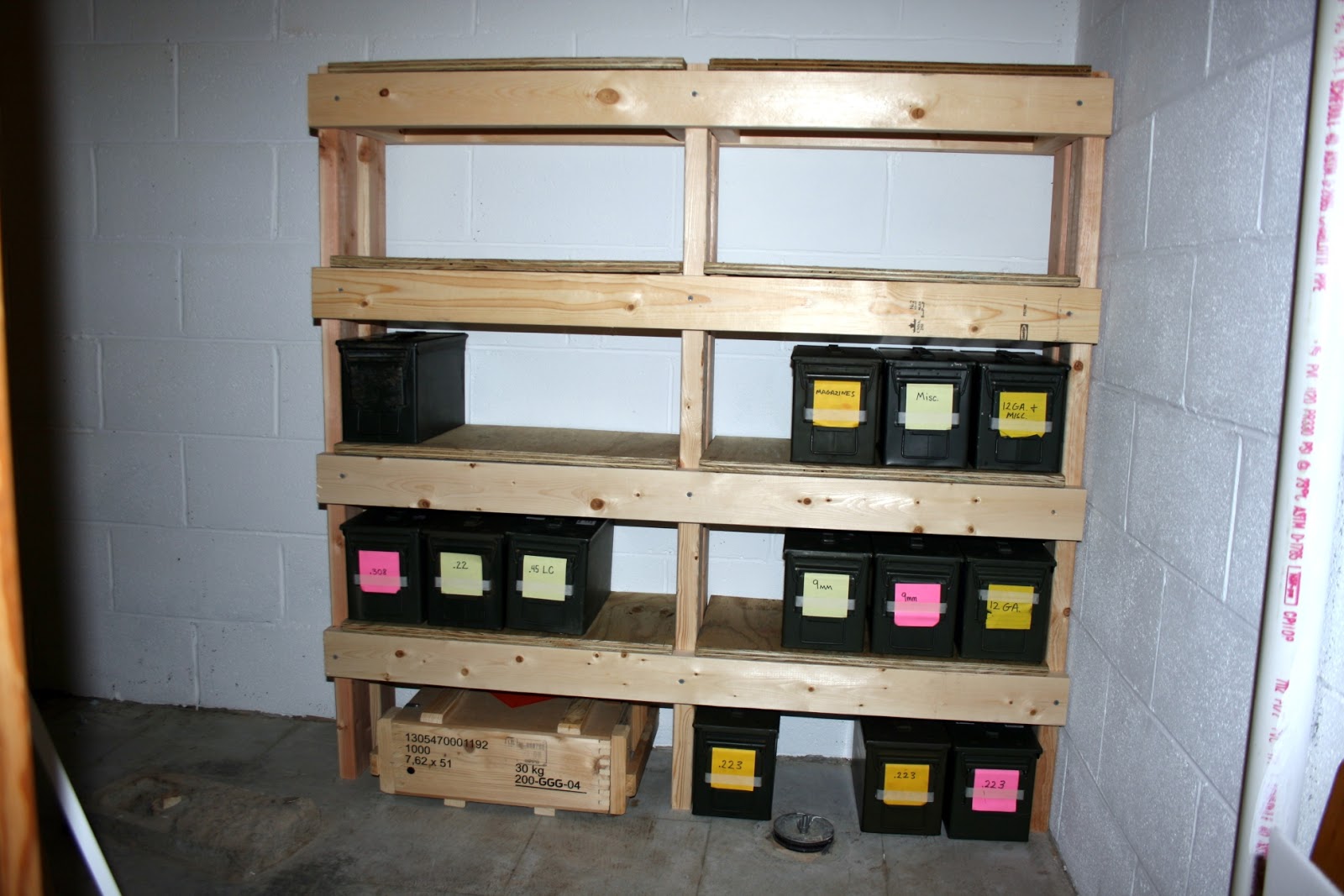
Keep your handgun ammo in a cool, dry spot—think a sealed ammo can with a desiccant pack, not a damp garage shelf. Inspect every round before it goes into a magazine: look for deep scratches, corroded cases, or primers that sit proud or pushed in, and reject anything with a loose bullet. Rotate your stash by using the oldest boxes first—shoot that range ammo from last summer before cracking into the new batch, and mark purchase dates on the box with a sharpie so you’re never guessing. Every six months, pull a few rounds from the bottom of the can to check for tarnish or green spots, which mean moisture snuck in. That “sealed” box from the factory isn’t a promise, just a starting point. Finally, cycle defensive loads at least yearly—fire them off and replace with fresh, because a round that’s been chambered and rechambered can setback the bullet, spiking pressure. Keep your stash flowing, not fossilizing.
Signs of Corrosion, Dents, or Primer Issues You Should Never Ignore
Green or white powdery residue around the primer pocket or case mouth signals corrosion that can weaken case integrity and cause pressure failures. Dents on the case body, especially near the shoulder or rim, may obstruct chambering or induce feeding malfunctions in your handgun. A protruding, struck, or missing primer is a critical safety defect indicating potential misfires or hangfires, so discard any round with an off-center or shallow primer strike. Never fire ammunition with cracked case necks or deep scratches, as these compromise the seal and invite gas leakage. If primers appear flattened or cratered after removal, stop using that lot immediately. Q: What should you do if you spot green corrosion on your handgun ammo? A: Segregate the affected rounds and dispose of them properly, because corrosion degrades the propellant and primer reliability, risking a squib or delayed ignition.
Best Practices for Ammo Canisters, Desiccants, and Shelf Life
For handgun ammo, the best start is a quality ammo canister with a rubber gasket seal—it keeps out humidity and dust. Toss in a few desiccant packs (silica gel works great) and replace them every few months or when they change color. Even with a sealed can, rotating your stash matters: use older boxes first, and check for corrosion or tarnishing every six months. Keep cans in a cool, dry spot—avoid attics or garages. If stored properly, most defensive and practice ammo holds up for a decade or more without issues.
Seal it, dry it, check it yearly—gasketed cans plus fresh desiccants keep handgun ammo reliable for years.
How to Test Multiple Brands to Find the Most Consistent Lot for Your Barrel
To find the most consistent lot for your barrel, buy 100-round boxes from at least three brands using the same bullet weight and profile. Fire five-shot groups at 15 yards from a rested position, recording group sizes and point-of-impact shifts. Then, shoot 10 rounds of each brand through a chronograph to measure velocity spread; a standard deviation under 15 fps indicates a lot worth stockpiling. Test each brand across two separate sessions to account for temperature and barrel fouling—*the lot that holds its group size after 50 rounds is your true keeper*. Rotate between the top two lots to confirm repeatability before committing to a bulk purchase.
Q: How do you isolate the best lot when testing multiple brands?
A: Shoot each brand from a cold barrel first, then repeat the order after a 10-minute cooldown; the brand with the tightest average group and lowest velocity variance across both sessions wins, as it tolerates barrel heat and fouling consistently.
