Top Online Casinos 2025 With The Biggest Bonuses And Fastest Payouts

Step into a world where every spin, shuffle, and deal can turn a moment into a life-changing win—online casinos bring the electrifying thrill of Las Vegas straight to your screen. With cutting-edge graphics, live dealers, and instant payouts, the action never stops, and the next jackpot is always just a click away. Experience the rush of real-money gaming from the comfort of home, where unlimited excitement meets endless opportunity.
Decoding the Digital Gambling Landscape
The digital gambling landscape has evolved into a complex ecosystem where convenience meets significant risk, demanding a sophisticated understanding from any participant. As an expert, your first priority should be regulatory verification, as the legal status of online casinos varies drastically by jurisdiction, and unlicensed operators often lack the safeguards of established markets. Beyond legality, the core of sustainable play lies in scrutinizing the technical architecture—specifically, audited Random Number Generators (RNGs) that ensure fair outcomes and provably fair systems that allow for independent verification. Furthermore, responsible gambling tools such as deposit limits and self-exclusion features are non-negotiable markers of a trustworthy platform, not mere afterthoughts. Ultimately, decoding this terrain requires you to shift focus from flashy bonuses to the granular details of licensing, encryption standards, and payout speeds. By prioritizing secure digital gambling practices and consistently applying informed betting strategies, you transform a potentially hazardous pastime into a controlled, calculated engagement where the house edge remains the only predictable constant.
How Virtual Betting Platforms Have Reshaped Wagering Habits
The digital gambling landscape is a dynamic ecosystem where technology and regulation collide, demanding sharp navigation from both operators and players. Modern platforms leverage AI-driven personalization and blockchain for provable fairness, yet the sector’s rapid expansion outpaces legislative frameworks globally. To thrive, stakeholders must prioritize compliance with jurisdictional variances while embracing responsible gaming tools like deposit limits and self-exclusion algorithms. The key differentiator is **data-driven user trust**, built through transparent payout percentages and robust cybersecurity. Whether you are assessing licensed casinos in regulated markets or regional offshore risks, the winning strategy hinges on proactive adaptability—not reaction. Those who decode these shifting variables early will command the competitive edge in this high-stakes arena.
Key Differences Between Land-Based Venues and Internet-Based Play
The digital gambling landscape is no longer a shadowy back alley; it’s a neon-lit metropolis of apps, live streams, and crypto wallets, where the house odds are hidden behind gamified loyalty points and “free spins.” Navigating this terrain requires more than luck—it demands a sharp eye for **responsible gambling practices** that separate sustainable play from financial quicksand. Every tap on a slot icon is engineered, every bonus notification a behavioral nudge. While the thrill of a live dealer feels personal, the algorithm behind it calculates your next move in milliseconds. The true decoder ring is knowing that the platform’s goal is retention, not your win; set your own limits before the flashy interface sets them for you, or you’ll find the landscape has swallowed your wallet whole.
Understanding the Global Surge in Remote Gaming Adoption
The hum of notifications is the new casino floor chime. As I scrolled past flashy ads for sportsbooks and live dealer tables, I realized the digital gambling landscape isn’t just a marketplace—it’s a psychological labyrinth engineered for retention. Navigating this space requires more than luck; it demands recognizing how algorithms personalize stakes, offers, and even loss limits to keep players engaged. The key shift isn’t the technology itself, but the opacity of its mechanics, where every swipe and click feeds a behavioral model. To decode it, you must look beyond the game odds and examine the user journey—from welcome bonuses to “VIP” tiers—as a frictionless path designed to blur the line between entertainment and expenditure.
Responsible gambling tools are the only reliable compass in this maze, yet they remain underused by design.
- Key signals: Bonus wagering requirements, not just payout percentages.
- Red flags: “No-limit” deposit prompts and countdown timers during live bets.
Q: Why do casinos hide the house edge in plain sight?
A: Because the math is boring—the adrenaline isn’t. The story sells the dream, not the probability.
Selecting a Trustworthy Wagering Site
Selecting a trustworthy wagering site requires a systematic evaluation of several critical factors, beginning with valid licensing from recognized regulatory bodies such as the UK Gambling Commission or the Malta Gaming Authority. These licenses ensure that the operator adheres to strict standards for fair play, data protection, and responsible gambling practices. Beyond licensing, examine the site’s encryption protocols (SSL/TLS) and its privacy policy to confirm that your financial and personal information remains secure. Independent audits, such as eCOGRA certification, verify that the random number generators produce unbiased outcomes. Additionally, review the available payment methods, withdrawal processing times, and user feedback on independent forums to gauge reliability. A transparent, responsive customer support team, available via live chat or email, also signals accountability. Ultimately, the most reliable platforms display their terms clearly, publish their payout rates, and maintain a long history of consistent payouts. Prioritizing these criteria will significantly reduce the risk of fraud and ensure a safer betting experience.
Essential Licensing Bodies and Regulatory Red Flags
Selecting a trustworthy wagering site demands rigorous verification of licensing credentials, not surface-level flash. A credible operator openly displays its regulatory body—such as the UK Gambling Commission or Malta Gaming Authority—and undergoes independent audits for payout fairness. Secure payment processing with encryption protocols is non-negotiable, safeguarding your deposits and withdrawals. Scrutinize user reviews across multiple platforms, focusing on complaint resolution speed and transparency about terms. Avoid sites with vague bonus conditions or delayed payouts, as these signal hidden risks. Always confirm 24/7 customer support via live chat and phone, ensuring real accountability. A superior platform prioritizes player protection through responsible gambling tools and verifiable RNG certifications. By cross-checking these pillars—licensing, security, audits, and service—you minimize fraud exposure and elevate your betting experience to a safe, professional level.
Reading Between the Lines of Player Reviews and Ratings
Finding a legit platform isn’t rocket science, but you’ve got to look past the flashy bonuses. Start by checking for a valid license from a known regulator like the UKGC or MGA—that’s your first red-flag filter. Then, read real user reviews on independent forums, not just the site’s own hype. Look for clear terms on withdrawals, especially wagering requirements, and confirm they use SSL encryption for your data. A trustworthy betting operator will always show its payout history and offer 24/7 customer support. If something feels pushy or vague, walk away. Your money and peace of mind aren’t worth a sketchy gamble.
Payment Methods That Signal Security and Reliability
Choosing a secure platform begins with verifying licensing and regulatory compliance, as reputable authorities enforce strict player protections and fair-play standards. A trustworthy wagering site must also demonstrate transparent terms, including clear withdrawal policies, bonus wagering requirements, and accessible customer support channels. Look for independent audits, SSL encryption, and positive user reviews across multiple forums to gauge real-world reliability. Safe betting practices also hinge on responsible gambling tools, such as deposit limits and self-exclusion options. Finally, compare payment methods and payout speeds—trusted operators process withdrawals promptly without hidden fees. Below are key checks before you commit:
- Confirm the license number on the official regulator’s database.
- Test live chat response time and resolution quality.
- Read the privacy policy for data handling and third-party sharing.
By prioritizing verification and transparent operations, you minimize risks and focus on the thrill of the game.
Maximizing Bonuses Without Falling for Fine Print
To truly maximize bonuses, you must shift your focus from the headline number to the terms and conditions, as the fine print often dictates whether a reward is genuinely attainable. Expert players prioritize wagering requirements, game contribution percentages, and expiration windows before committing funds. A seemingly generous 200% match becomes worthless if you must wager the deposit and bonus 40 times on low-contribution slots. Conversely, a smaller bonus with a 10x playthrough and no max cash-out limit offers far greater real-world value. Always verify whether payment methods like e-wallets are excluded from qualifying, and read forums for payout speed complaints. By calculating effective return—rather than just the percentage—you can exploit offers legally, while sidestepping hidden fees on withdrawals that erode net profit. Treat every promotion as a mathematical equation, not a gift. This disciplined approach turns strategic bonus hunting into a sustainable profit stream, rather than a trap.
Breaking Down Welcome Offers vs. Reload Incentives
Scoring big bonuses is all about reading between the lines before you commit. The trick isn’t just hunting for the flashiest offer—it’s knowing exactly what you’re signing up for. Start by scanning the terms for playthrough requirements, game restrictions, and expiration dates, since these quietly determine whether you walk away with real cash or just a headache. **smart bonus hunting** means comparing the true value, not the headline number. For example, a 200% match with a 50x wagering requirement often sucks compared to a modest 50% match with a 5x rollover. Stay sharp by following these rules:
- Always calculate the effective house edge after wagering.
- Set a strict budget for what you’re willing to lose chasing the bonus.
- Check if your favorite games contribute 100% to the playthrough.
“If the fine print feels confusing, assume it’s designed to favor the house—walk away.”
Finally, track every bonus in a simple spreadsheet so you don’t double-dip or miss a deadline. Casinos count on laziness, but a quick five-minute audit before clicking “claim” turns the odds back in your favor. Keep it simple: only chase offers that clear in a weekend, and never chase losses with bonus funds. That’s how you maximize the thrill without subsidizing the casino’s profit margin.
Wagering Requirements: The Hidden Cost of Free Spins
Maximizing bonuses without falling for fine print starts with decoding the terms before committing. Focus on wagering requirements, expiry dates, and eligible games, as these dictate true value. Bonus abuse prevention strategies rely on reading the “how to claim” section, tracking excluded payment methods, and noting max bet limits. Prioritize offers with low rollover (under 10x) and transparent caps on winnings. Always screenshot the promo page and confirmation email for evidence if disputes arise. Compare multiple bonuses side-by-side to spot hidden restrictions like game contribution percentages. Avoid automatic opt-ins if the terms lack clarity, and never chase losses to meet turnover deadlines. A disciplined timeline, a dedicated bankroll, and a checklist of exclusions turn a flashy offer into a reliable edge without legal or financial surprises.
Loyalty Programs That Actually Reward Consistent Play
Let’s be real—bonuses are awesome, but that fine print can kill the buzz faster than a forgotten subscription. To truly maximize rewards, you’ve got to treat every offer like a mini-contract, not a gift. **Smart bonus hunting starts with reading the terms before you commit.** Check the play-by-play: minimum spend, eligible categories, and the dreaded expiration date. If a deal requires a $1,000 purchase in 30 days, don’t stretch your budget just to chase points—that’s how you end up paying interest that eats your winnings. Instead, stack perks: use a cashback portal, a credit card with rotating categories, and a promo code all at once. Also, screenshot the offer and set a calendar reminder for when the bonus posts. If it doesn’t land, you’ve got proof to dispute. And when in doubt, call customer service—a friendly chat can often unlock a courtesy match. Just remember: the only “no-strings” bonus is the one you earn within your normal spending habits.
Mastering Game Selection for Better Odds
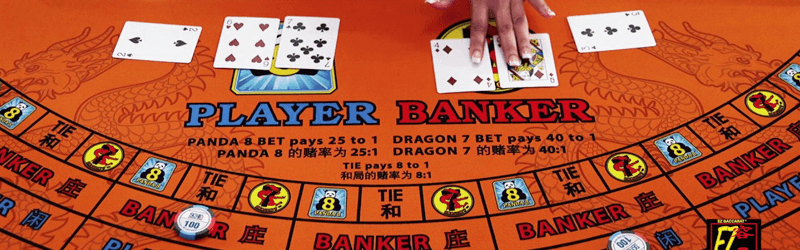
Mastering game selection is the most underrated skill in gambling, yet it directly dictates your long-term profitability. Instead of chasing every shiny slot or side bet, focus on titles with a low house edge—like blackjack (with basic strategy), baccarat (banker bet), or video poker (full-pay variants). Always check the paytable and volatility: a 96.5% RTP slot with high variance might suit your bankroll better than a 97% game with massive swings. Choosing the right games for your skill level and bankroll transforms luck into a predictable grind. Also, exploit casino promotions—free spins and match bonuses—only on games that contribute 100% to wagering, or you’ll bleed value. Strategic game selection is your best edge; it’s not about winning every hand, but avoiding games where the math is rigged against you. Walk away when a game’s volatility exceeds your session budget. This discipline turns a casual gambler into a disciplined player.

Q: How do I know if a game is worth playing?
A: Check the house edge (prefer under 2%), read the rules for side bets (always skip them), and test the game in free mode to feel the variance. If the max bet is too high for your unit size, pick a lower limit table—never chase comps on unfavorable rules.
Slots Volatility and RTP: Choosing Your Risk Appetite
Mastering game selection is the most direct way to improve your long-term odds in any casino, as it determines the mathematical edge you face before a single hand is dealt. Instead of chasing arbitrary jackpots, focus on games with the lowest house advantage, such as blackjack with basic strategy or baccarat’s banker bet. Long-term profitability depends on choosing the right variance level that matches your bankroll and risk tolerance. For slot players, prioritize high RTP (return-to-player) percentages above 96%, and always check the paytable for bonus volatility. Table games offer better strategic control, while progressive slots trade frequency for rare, life-changing payouts. A simple approach: prefer skill-based games over pure luck, and always review the rules—like European roulette’s single zero over the American double zero. Every decision to switch tables or machines shifts the expected value in your favor, making game selection a passive yet powerful strategic tool.
Table Games With the Lowest House Edge for Smart Bettors
Mastering game selection is the single most overlooked skill in gambling, yet it directly dictates your long-term profitability. Instead of chasing every available option, focus on identifying games with the lowest house edge and highest return-to-player (RTP) percentages. For example, blackjack with basic strategy often offers a house edge below 0.5%, while slot machines frequently exceed 3–5%. Maximizing your winning potential through disciplined game choice requires that you also factor in rules variations, payout tables, and volatility. Before wagering real money, review the game’s paytable and demo mode to assess its hit frequency. Avoid high-commission tables or side bets that erode your bankroll. Finally, track your results per game and abandon any title that underperforms statistically. This strategic approach transforms random play into a calculated session, ensuring every bet placed carries the best mathematical foundation available.
Live Dealer Experiences That Bridge Physical and Digital Thrills
Mastering game selection is the single most effective way to tilt the odds in your favor before a single card is dealt or reel spins. Instead of chasing every flashy title, smart players analyze return-to-player percentages, volatility, and house edge to identify where their bankroll works hardest. Prioritize games with lower house edges—like blackjack, baccarat, or video poker—over high-variance slots that drain funds quickly. Strategic game selection transforms casual play into a calculated advantage. For example, choose European roulette over American to slash the house edge by half, or seek slots with RTP above 96%. Skim paytables and avoid progressive jackpots that eat a larger share of every bet. Every session begins with the right table, not just the right mood. By filtering out poor-value games, you stretch your playtime and maximize every dollar wagered. The edge isn’t always in the cards—it’s in the choices you make before you sit down.
Mobile Gaming: Wagering on the Go
Mobile gaming has transformed the gambling industry, placing the thrill of the wager directly into the palms of billions. With lightning-fast 5G networks and hyper-optimized apps, players now stake real money on slots, poker, and sports bets from anywhere—commutes, sofas, or even remote beaches. This convergence of convenience and adrenaline drives explosive market growth, but it also demands sharper personal discipline. Responsible wagering tools—deposit limits, self-exclusion, and real-time analytics—are no longer optional; they are the bedrock of sustainable play. The industry pivots aggressively toward micro-betting and live in-play action, where decisions unfold in seconds, amplifying both engagement and risk. Yet, the true power lies in portability: your bankroll travels with you, but so does the temptation.
Never mistake convenience for control—the house always optimizes for your next tap.
Ultimately, mobile wagering rewards the strategic, punishes the impulsive, and reshapes how we value a dollar spent on a fleeting chance at fortune.
Responsive Design vs. Dedicated Apps: Which Performs Better?
The bus hums beneath you, your thumb swipes left, and the reels spin in the palm of your hand—mobile gaming has turned every idle minute into a potential payout. This isn’t just convenience; it’s a behavioral shift where **real-money wagering on the go** now rivals console sessions in engagement. The true magic lies in micro-moments: a coffee queue becomes a blackjack hand, a lunch break morphs into a tournament qualifier. Yet the convenience cuts both ways. Push notifications nudge you back after losses, and the frictionless deposit (saved card, biometric login) blurs the line between play and compulsion. The industry’s answer is responsible gaming tools, built into the app’s core—not as an afterthought, but as a shield. From live dealer streams to crash games, the phone is no longer a portal; it is the casino, the bookie, and the timer that never sleeps. The only question is whether you’re playing the game—or the game is playing you.
Touchscreen Betting Strategies for Faster Decision-Making

Mobile gaming has transformed wagering into an instant, location-independent activity, with smartphones now serving as full-fledged betting terminals for sports, casino games, and esports. The convenience of placing wagers during live events or commutes drives significant market growth, though it also raises concerns about impulse betting and regulatory oversight. Mobile wagering on the go relies on secure payment gateways, geolocation verification, and optimized user interfaces to ensure seamless transactions. Key advantages include real-time odds updates, push notifications for promotions, and integration with digital wallets. However, users face risks like data privacy breaches and increased gambling frequency, prompting operators to implement responsible-gambling tools such as deposit limits and self-exclusion options. Connectivity speed often dictates the quality of live in-play betting experiences. As 5G networks expand, latency drops, enabling faster market refreshes and more dynamic odds movement. While convenience boosts engagement, the same ease of access demands stricter compliance with local laws, especially where real-money wagering remains restricted.
Data Usage and Battery Drain: Practical Considerations
Mobile gaming has revolutionized how players engage with chance, placing the thrill of wagering directly into their pockets. The convenience of instant access means a quick bet during a commute or a live tournament session from a sofa is now routine, blending cutting-edge graphics with real-money stakes. This sector thrives on portability and speed, offering everything from slot-style spins to skill-based fantasy leagues. Real-money mobile wagering now leads market growth, driven by seamless payment systems and personalized push notifications. However, responsible gaming features, such as deposit limits and self-exclusion tools, remain essential to balance the excitement. Whether you are a casual spender or a strategic player, the dynamic interface and social leaderboards create an addictive loop that demands attention.
Bankroll Management for Long-Term Sustainability
Bankroll management isn’t about being boring—it’s about staying in the game long enough to actually win. Think of your funds as a fuel tank; if you floor it every time, you’ll hit empty fast. The golden rule is to risk only a small, fixed percentage per bet (usually 1–3%), no matter how confident you feel. This protects you from the inevitable losing streaks that even pros face. By setting weekly or monthly loss limits, you avoid chasing losses with emotional bets. Over time, consistent, disciplined staking turns variance into a bumpy but survivable road. That’s what makes long-term profitability possible. And when you treat your bankroll like a business expense, not a lottery ticket, you build sustainable betting habits that keep you sharp, patient, and in control—even when luck isn’t on your side. Slow and steady really does win the race.
Setting Loss Limits Before You Log In
Bankroll management is the bedrock of long-term sustainability, transforming gambling from reckless speculation into a calculated endeavor. By strictly allocating only disposable income and setting firm loss limits, you shield your finances from catastrophic swings while extending your playing time—a crucial edge in any variance-heavy game. The core principle is simple: never chase losses, and always stake a fixed percentage (typically 1–5%) of your total bankroll per wager. This disciplined approach ensures that even a brutal losing streak merely dent your capital, not destroy it. Effective bankroll management is the ultimate key to longevity, allowing you to ride out downturns and capitalize on favorable moments. Ultimately, survival precedes profit; without a protected reserve, no strategy or skill can save you. Consistency in sizing, strict emotional control, and periodic rebalancing form a trifecta that keeps you in the game for years, not just a single session.
Using Staking Plans to Cushion Losing Streaks
Bankroll management is the quiet discipline that separates fleeting luck from enduring success, much like a farmer rationing seed through a drought. To survive the inevitable swings, you must risk only a fixed percentage—typically 1–3%—of your total capital per venture, ensuring no single loss can cripple your foundation. This approach thrives on consistency, not emotion, allowing you to compound small wins while absorbing losses as a natural cost of doing business. The true secret lies in **long-term sustainability over short-term gratification**, where the goal is to stay in the game long enough for skill to outpace variance. Track every move, review monthly, and resist the urge to chase losses with oversized bets. When you treat your bankroll as a living entity needing protection, it rewards you with patience. Risk of ruin fades, and growth becomes a byproduct of resilience, not recklessness.
Separating Entertainment Budgets From Essential Finances
Bankroll management is the cornerstone of long-term sustainability in any form of wagering or investing, as it prioritizes capital preservation over short-term gains. The core principle involves allocating only a fixed, disposable percentage of your total funds per wager, typically between 1% and 5%, to withstand inevitable losing streaks without depleting your reserve. This approach prevents emotional, reckless decisions driven by the desire to recover losses, which is the primary cause of account ruin. Implementing a structured staking plan, such as flat betting or percentage-based models, ensures your exposure scales with your current balance. Preserving your bankroll is more critical than maximizing winning streaks, as it guarantees you remain active in the game long enough to capitalize on positive expected value opportunities. Consistent, disciplined unit sizing, paired with periodic performance reviews, transforms gambling from a risky hobby into a calculated, enduring practice.
Recognizing the Psychology Behind Repeated Bets
Every gambler has felt the magnetic pull of “one more time,” a whisper that transforms a single wager into a relentless loop. The mind, wired for pattern recognition, mistakes a lucky streak for skill, while the near-miss—that agonizing spin of the wheel that lands just off the mark—triggers a dopamine spike stronger than a clean win. This is the psychology of the repeated bet: loss aversion makes the wallet’s sting feel twice as heavy as joy’s lift, so the brain invents a narrative of recovery to soothe its own discomfort. The ritual itself—the click, the shuffle, the breath held—becomes a conditioned trigger, seducing you into chasing the exact feeling of anticipation, not the outcome. Recognizing behavioral patterns is the first step to breaking the cycle, but the deeper truth is that the house doesn’t defeat you—your own memory of that one glorious hit does. The bet repeats because the past is a ghost, and you’re not betting on odds, but on resurrecting it.
Why Near-Misses Keep Players Engaged
Ever find yourself placing the same wager over and over, even after a loss? That’s not bad luck—it’s your brain’s reward system on a loop. The psychology behind repeated bets comes down to the *near-miss effect* and variable reinforcement, where your mind treats almost-winning as a win, fueling the urge to chase. This creates a powerful compulsion loop, making it hard to walk away. You’re not just betting on odds; you’re betting on the emotional spike of “what if.” Recognizing this pattern is the first step to breaking it. When you feel that automatic pull, pause and label the feeling—that awareness can interrupt the cycle. Remember, the house edge doesn’t care about your gut feeling.
The Dopamine Loop and Intermittent Reward Patterns
Repeated betting is rarely about logic—it’s a behavioral loop driven by loss aversion, the illusion of control, and the “near-miss” effect, where the brain mistakes a close outcome for skill. This pattern, known as the psychology of persistent wagering, thrives on variable rewards: the unpredictability spikes dopamine, making the next bet feel more compelling than the last. To break the cycle, track your triggers (boredom, stress, chasing losses), set strict time and money limits, and pause after every third bet to reassess your emotional state. Recognize that the urge to “win back” is a cognitive trap, not a strategy—losses are processed as pain, not data. The most effective countermeasure is pre-commitment: decide your session cap *before* you start, and stick to it, regardless of outcome. Your brain will negotiate; your pre-written rules won’t.
Tools for Self-Exclusion and Deposit Caps
Repeated betting often stems from cognitive biases rather than rational strategy, with the gambler’s fallacy and illusion of control driving players to chase losses or believe past outcomes influence future spins. This psychological loop is reinforced by variable-ratio reinforcement—unpredictable wins trigger dopamine spikes, making the next bet feel statistically inevitable. Over time, the brain’s reward system overrides logical probability assessment, creating a persistence pattern where quitting feels riskier than continuing. Understanding behavioral triggers is essential for responsible gambling frameworks.
“The urge to bet again is rarely about the odds—it’s about the brain’s craving for the near-miss.”
- Loss chasing: escalating stakes to recover previous losses, often ignoring bankroll limits.
- Near-miss effect: outcomes that almost win increase excitement and repeat play more than clear losses.
- Confirmation bias: players remember wins more vividly than losses, skewing perceived success rate.
Future Trends in Internet-Based Gambling
The future of internet-based gambling is being reshaped by a convergence of immersive technology and predictive data analytics. Virtual and augmented reality platforms are poised to transform traditional casino games into fully interactive social environments, while AI-driven personalization will tailor betting experiences to individual behavioral patterns in real time. The integration of cryptocurrencies and blockchain smart contracts is accelerating, offering provably fair algorithms and instant, borderless transactions that bypass legacy banking delays. Meanwhile, regulatory frameworks are fragmenting, with some jurisdictions embracing licensed digital-only operators and others deploying biometric age-verification and spending-limit algorithms to mitigate harm. Live-streamed peer-to-peer wagering and skill-based hybrid games are likely to blur the line between entertainment and speculation entirely. To remain competitive, operators must prioritize responsible gaming technology and cybersecurity resilience, as these will become decisive trust signals in a crowded, hyper-personalized market.
Cryptocurrency Integration and Anonymous Transactions
The future of internet-based gambling is shaping up to be hyper-personalized and deeply immersive, with AI-driven recommendations tailoring every bonus and game suggestion to your habits. Expect **live dealer experiences with virtual reality** to become the new normal, letting you chat and bet in a simulated casino from your couch. Cryptocurrencies and blockchain will likely dominate payments, offering faster, anonymous transactions and provably fair games. However, tighter global regulations and mandatory age-verification tech are on the way, making responsible gambling tools standard. Mobile-first design isn’t enough anymore—watch for social gaming elements, like leaderboards and player avatars, to blur the line between casual play and high-stakes wagering. The shift is toward seamless, secure, and socially engaging play, all powered by smarter algorithms.
Virtual Reality Casinos: The Next Immersive Frontier
The convergence of artificial intelligence and blockchain technology is reshaping internet-based gambling, moving beyond simple crypto payments toward verifiable provably fair systems that eliminate trust disputes. Expect regulatory technology to become the industry’s backbone, with biometric age verification and AI-driven responsible gambling thresholds becoming mandatory licensing conditions in major markets like the UK and Ontario. Live dealer formats will dominate, augmented by virtual reality lobbies that simulate physical casino social dynamics, while 5G and edge computing reduce latency to near-zero for mobile play. Operators who ignore embedded identity and spending-limit defaults will face shrinking player lifetime value. The next wave will see skill-based hybrid games (poker-meets-esports) capturing younger demographics, but only if operators navigate cross-border tax harmonization and anti-money laundering rules that are tightening globally.
AI-Powered Personalization in Game Suggestions
The future of internet-based gambling is being reshaped by AI-driven personalization and immersive technologies, making **real-time betting analytics** the new competitive battleground. Expect crypto-native casinos with instant payouts to become mainstream, while regulators deploy blockchain-based audit trails to ensure provable fairness. The integration of VR and AR will transform slots and live dealer games into social, metaverse-like environments, appealing to younger demographics. However, responsible gambling tools—like AI behavioral alerts and mandatory deposit limits—will become legally mandatory, not optional, across major markets.
- Skill-based gaming: Blending esports mechanics with wagering to attract Gen Z.
- Smart contracts: Automating payouts and dispute resolution without human intervention.
- Open banking: Faster, safer deposits with real-time affordability checks.
Q&A: Will land-based casinos disappear? No—they will pivot to premium hospitality and high-stakes VIP lounges, while online platforms handle volume. Is legalization spreading? Yes, but with strict licensing and taxation, favoring compliant operators.
Legal and Tax Implications for Players
Navigating the professional gaming landscape requires acute awareness of the legal and tax frameworks that govern earnings, sponsorships, and prize winnings. Players must treat their income as self-employed or independent contractors, which mandates meticulous record-keeping for deductions like travel, equipment, and coaching fees. Compliance with local tax jurisdictions is non-negotiable, especially for international tournaments where withholding taxes and double-taxation treaties can drastically reduce net payouts. Additionally, contracts with teams and brands demand scrutiny over intellectual property rights, image rights, and restrictive clauses that could impact future mobility. Ignorance of these obligations can turn a career-defining victory into a financial liability. Ultimately, proactive planning—such as setting aside a percentage of every prize and seeking specialized esports legal counsel—safeguards long-term stability. Understanding cross-border regulations is equally critical, as residency rules and visa statuses often dictate which country claims a share of your success.
Jurisdiction-Specific Laws Affecting Remote Wagering
Understanding the legal and tax implications for players is essential for anyone earning income through gaming, streaming, or esports. Navigating gambling and prize taxation rules varies by jurisdiction, but most countries treat winnings as taxable income, requiring players to report amounts above specific thresholds. For professional esports athletes, salaries, sponsorships, and streaming donations fall under self-employment or employment taxes, necessitating quarterly filings and deductible business expenses like equipment and travel. Players in jurisdictions with strict anti-gambling laws may face legal risks when participating in real-money tournaments or skin-based betting platforms, even if such activities are unregulated locally. To stay compliant, consider these steps:

- Track all income sources, including prizes, tips, and merchandise sales.
- Consult a local tax professional who understands digital and cross-border earnings.
- Review your country’s stance on skill-based vs. chance-based competitions to determine legality.

Failure to disclose earnings can trigger penalties, interest, or even criminal charges in severe cases. Always retain contracts, payout records, and expense receipts, and register as a business entity if your play is consistent and profit-driven. Proactive tax planning protects your gaming career from unexpected liabilities and ensures you benefit from legal deductions available in your region.
Reporting Winnings: What the IRS or HMRC Expects
Understanding the legal and tax implications for players is non-negotiable for anyone earning from skill-based competitions, sponsorships, or streaming. Winnings best crypto prediction markets are typically classified as taxable income—not gifts—meaning you must report them to your local authority, whether that’s the IRS, HMRC, or your national tax agency. Failure to do so triggers penalties, interest, and potential audits. Additionally, contract law governs your prize agreements, so review every clause regarding exclusivity, image rights, and dispute resolution before signing. Cross-border play adds withholding tax obligations; you may owe taxes in both your country and the event’s jurisdiction, though tax treaties can reduce double taxation. Always keep detailed records of entry fees, travel costs, and equipment expenses—many are deductible against your winnings. Consult a qualified accountant or tax attorney to structure your earnings legally and optimize your net income.
Cross-Border Play and Jurisdictional Loopholes
Understanding the legal and tax implications for players is essential before engaging in high-stakes or professional gaming. Depending on your jurisdiction, winnings from tournaments, sponsorships, and streaming may be classified as taxable income, often requiring quarterly estimated payments. Additionally, players must comply with age restrictions, licensing requirements, and anti-money laundering regulations, especially when transferring large sums across borders. Failure to report earnings or obtain necessary permits can result in fines, disqualification, or legal action. For clarity, consider these key points:
- Winnings are typically taxed as ordinary income, not capital gains.
- Sponsorship deals and appearance fees are subject to self-employment tax.
- International play may trigger double taxation unless a tax treaty exists.
- Contract clauses can impose liability for tax penalties on the player.
Consulting a tax professional with esports expertise is strongly recommended, as rules vary widely by country and even by state or province.
Responsible Gaming Practices That Protect Players
Responsible gaming practices are the cornerstone of a sustainable and ethical gambling ecosystem, actively shielding players from the devastating consequences of addiction. Leading platforms now deploy sophisticated algorithms that monitor betting patterns in real-time, flagging erratic behavior and enabling proactive intervention before financial ruin occurs. Crucially, mandatory deposit limits, self-exclusion tools, and reality checks empower individuals to retain control, transforming gaming from a reckless pursuit into a calculated form of entertainment. These measures are not bureaucratic obstacles but vital lifelines, ensuring that play remains a voluntary, enjoyable activity rather than a compulsive trap. Player protection frameworks must be non-negotiable industry standards, enforced through rigorous licensing and independent audits. When operators integrate these safeguards, they cultivate enduring trust and loyalty, proving that care for the customer is the most profitable long-term strategy. Responsible gaming protocols are the invisible shield that allows thrill without sacrifice.
No game should ever cost more than a player is willing to lose; protection is the true jackpot.
Ultimately, a robust safety net, combined with transparent education on odds and risks, converts a potentially harmful vice into a managed, harmless pastime.
Identifying Early Warning Signs of Problem Behavior
Responsible gaming isn’t about restriction—it’s about empowerment, a quiet pact between player and platform that keeps fun from fraying into harm. I recall a regular who set a strict deposit cap before a losing streak, and that pre-committed limit became his lifeline, letting him walk away with his savings intact. Proactive player protection tools like reality checks, cool-off periods, and self-exclusion are the unsung heroes here, working silently behind the scenes to catch drift before it becomes damage. Operators also use AI algorithms to flag risky patterns—sudden late-night bets or chasing losses—and respond with gentle nudges, not lectures.
- Set time and money limits before you start
- Use mandatory breaks to reassess your mood
- Never chase losses; treat gaming as entertainment, not income
Support teams trained in empathy, not pressure, offer calm guidance when things wobble. True protection means designing a game where leaving is as easy as playing. Ultimately, the safest room is one with visible exits, and that transparency turns a pastime into a sustainable joy.
Using Reality Checks and Time-Out Features Effectively
Responsible gaming isn’t about restriction—it’s about empowerment. Core safeguards like deposit limits, session timers, and self-exclusion tools put control directly in the player’s hands, preventing impulsive decisions before they spiral. Player protection starts with proactive budget management, where you set a loss ceiling and stick to it, treating gambling as entertainment, not income. Modern platforms also deploy AI-driven behavioral alerts that flag risky patterns, allowing for real-time cooling-off nudges. Pair these tools with mandatory age and identity verification to block underage access, plus reality checks that pop up during play to remind you of time spent. Ultimately, the most effective shield is informed choice—knowing the odds, recognizing tilt, and using the available built-in limits makes every session safer, more mindful, and genuinely enjoyable. When the system supports your self-awareness, gaming stays fun, not harmful.
Resources for Seeking Professional Support and Counseling
Responsible gaming begins the moment a player sets their own boundaries, much like a seasoned traveler mapping a route before a long journey. By setting deposit limits, session timers, and self-exclusion options, platforms create a safety net that turns entertainment from a potential spiral into a controlled escape. Proactive player protection measures ensure that fun never becomes a financial trap. Casinos also deploy AI-driven behavioral analytics to spot early signs of distress, nudging users toward reality checks or cooling-off periods before habits harden.
“A game should always be a choice, never a compulsion—true protection lies in empowering the player to walk away.”
- Use pre-commitment tools for time and money before playing.
- Access loss-limit alerts and mandatory break reminders.
- Verify age and identity to prevent underage access.
- Link directly to support hotlines and self-help resources.
These practices work like a gentle co-pilot, not a prison guard—they guide without suffocating, warn without shaming. When operators pair transparent odds with frictionless withdrawal options, they rebuild trust, turning every spin or hand into a moment of leisure rather than a cliff edge. The goal isn’t to ban risk, but to let players ride it with eyes open.