Master Casino Games Now With Winning Strategies That Work Tonight

Did you know that the spinning roulette wheel is designed with tiny metal deflectors called “diamonds” to ensure true randomness? Casino games like blackjack and slots offer a direct blend of luck and simple strategy, allowing you to test your instincts with every bet. The core benefit is the thrill of instant outcomes, where **a single spin or card flip** can turn the tide of your session. To use them, you just pick a game, place a wager, and let the built-in rules and random number generators guide the action.
What Exactly Are These Table and Slot Experiences?
Table and slot experiences represent the two core pillars of casino gameplay, differentiated by mechanics and player agency. Table games, like blackjack or poker, involve direct interaction with a dealer or other players, demanding strategic decision-making within a structured set of rules. In contrast, slot experiences are purely automated, relying on random number generators to determine outcomes based on spin-and-wait input. The key differentiator is control: at tables, your choices directly impact the result, while slots offer a passive thrill where the narrative is entirely driven by chance and audiovisual feedback, not your skill. For optimal enjoyment, choose tables if you prefer calculated risk and social play; choose slots for rapid, solo-paced entertainment with simple, tactile engagement through buttons or touchscreens.
How Digital Card Games and Spinning Reels Actually Function
Digital card games work by using a Random Number Generator (RNG) to instantly shuffle a virtual deck when you click “deal.” The software no longer simulates a physical cut; it assigns each card a precise value before your screen refreshes. For spinning reels, the outcome is determined the millisecond you hit “spin.” The RNG picks a number for each reel position, and the animation merely shows the predetermined result. Real-time RNG logic ensures every turn is independent. Q: Does my timing affect when the reels stop? A: No, the result is locked before the reels even begin to spin.
Key Differences Between Live Dealer Options and Automated Play
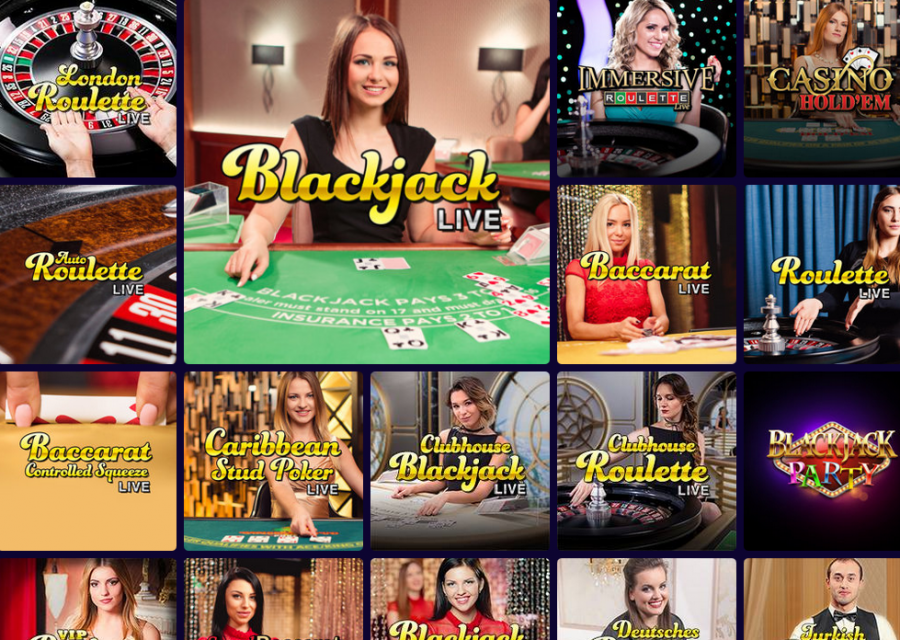
The core distinction lies in the human interaction versus algorithmic efficiency. Live dealer options stream a real person dealing cards or spinning a wheel, creating a social atmosphere with chat features and tangible pace, mimicking a physical casino. Automated play relies entirely on a Random Number Generator (RNG) for instant, solitary results with faster rounds. Live tables restrict betting times; automated games let you set your own speed. Strategy feels different: you watch actual shuffle patterns in live play, while automated games offer transparent, predictable odds with no dealer influence. Player choice boils down to social immersion or pure, uninterrupted speed.
Live dealers provide real-time human interaction and social pacing; automated play delivers solitary, rapid RNG-based results for maximum efficiency.
Understanding Random Number Generators in Your Favor
Understanding random number generators in your favor means recognizing they are the silent dealer deciding every spin or virtual card. While you cannot predict the next number, you can choose games with a higher return-to-player percentage, which reflects long-term, RNG-validated payouts. The generator itself is unbiased; your advantage comes from picking machines with better odds and setting loss limits so the RNG works for, not against, your bankroll.

Mastering RNGs isn’t about cracking the code; it’s about choosing the right odds and managing your time.
How to Pick the Right Game for Your Playing Style
You walk into the casino, not to chase a system, but to match your rhythm. Identifying your risk tolerance is the first move. If you crave long sessions with small, frequent wins, low-volatility slots or baccarat’s banker bet keep your bankroll breathing. For thrill-seekers who can handle dry spells, high-volatility games like progressive jackpot slots deliver spikes that can turn a single spin into a memory. Your time horizon matters too: table games like blackjack demand focus for hours, while a quick game of roulette fits a tight schedule. The right choice feels like a conversation, not a chore—your personality dictates whether you calculate odds or chase lightning.
Matching Volatility Levels to Your Risk Tolerance
Matching volatility levels to your risk tolerance means aligning a game’s payout frequency with your comfort for bankroll swings. non gamstop Low volatility slots offer small, frequent wins, suiting cautious players who prioritize extended play. High volatility games feature rare but large payouts, ideal for those accepting long dry spells for jackpot potential. A medium volatility game balances both, providing moderate risks and rewards. Understanding your personal bankroll limits is key; a risk-averse player should avoid high-volatility titles that can exhaust funds quickly. Q: How do I test my volatility tolerance without risking money? A: Use free demo modes or play low-stakes rounds to observe how win frequency feels against your comfort level.
Comparing House Edge Across Popular Variations
When comparing house edge across popular variations, the difference between European and American roulette is the most instructive example. The single-zero European wheel reduces the house edge to 2.70%, while the American double-zero variant increases it to 5.26% due to the added 00 pocket. For blackjack, standard rules yield a house edge near 0.5% with basic strategy, whereas single-deck games offering 3:2 on blackjack can drop below 0.2%. Conversely, a six-deck shoe paying 6:5 pushes the edge above 2%. In craps, selecting Pass Line bets (1.41% edge) over hardways (over 9%) directly impacts long-term value. Your choice between these variations defines your statistical odds more than any other factor.
Selecting Between Classic Versions and Modern Twists
When picking a game, weigh classic versions versus modern twists based on your mood for simplicity or surprise. Classic slots or blackjack offer straightforward rules and a nostalgic feel, perfect for relaxing play. Modern twists add bonus rounds, cascading reels, or unique side bets, ramping up complexity and excitement. Try a classic first to learn the core mechanics, then switch to a modern version for extra features without losing the original spirit.
- Classic games have fewer rules, ideal for quick, low-stress sessions.
- Modern twists often include interactive bonuses or multipliers for bigger potential wins.
- Classic versions let you focus on strategy, while modern variants test your adaptability.
- Sample a classic version before its modern counterpart to see which pace fits you.
Features That Improve Your Experience

As you settle into the rhythm of a slot session, bonus rounds with cascading reels or pick-and-win mini-games turn a dry spin into a narrative of discovery. Instead of just clicking “spin,” you watch wild symbols expand across the grid, stitching dead spins into a chain of respins that feels earned. For table games, betting shortcuts let you lock in a favorite wager amount, so you stay in the flow of the hand without tapping the chip tray every round. Even autoplay with loss limits protects your budget while you ride the action—these features remove friction, letting the game’s story unfold without you fighting the interface.
Interactive Bonus Rounds and Free Play Modes
Interactive bonus rounds transform standard gameplay by letting you make tactical decisions, like picking from treasure chests or choosing a path in a mini-game, which directly affects your payout. Free Play Modes often follow a sequence: first, you trigger the feature by landing specific symbols, then you navigate a series of skill-based or chance-driven steps. For example:
- Land three scatter symbols to activate the free spins round.
- Select from a pool of modifiers, such as extra wilds or multipliers.
- Watch the animated sequence resolve, revealing your final reward.
These modes turn passive spins into active, narrative-driven experiences that increase engagement without requiring a deposit.
Progressive Jackpots and Their Triggers
Progressive jackpots enhance the experience by pooling a small portion of each bet into a continuously growing prize pool, which resets after a win. Their triggers vary: random trigger mechanics can activate on any spin irrespective of bet size, while others require landing a specific symbol combination. A jackpot may also be awarded through a dedicated bonus round, where players pick from hidden values to reveal the prize. The sequence of events typically unfolds as follows:
- The player places a qualifying bet, which may need to be a maximum wager for certain jackpots.
- A random number generator or predetermined game event determines if the trigger condition is met.
- Upon activation, the jackpot amount is awarded, resetting the pool for the next cycle.
Mobile Compatibility and Touch-Optimized Controls
Seamless touch-optimized gameplay transforms how you spin slots or bet on blackjack from your phone. Buttons are resized for fingertip precision, eliminating accidental taps on chips or reels. Swipe gestures replace clumsy clics, letting you drag to deal cards or slide to adjust bets. The interface dynamically scales to every screen, from phablets to foldables, keeping action fluid without lag or zooming. Responsive haptics give subtle vibration feedback when you place a wager or spin, deepening immersion in the palm of your hand. Lag-free load times and intuitive menus ensure you never fumble mid-hand, whether waiting in line or lounging at home.
Mobile compatibility means controls that feel like an extension of your fingers, turning any screen into a natural, responsive table or slot machine.

Practical Tips for Getting More From Your Sessions
To stretch your bankroll, set a strict win-loss limit before you start and walk away the moment you hit either target. Focus on games with low house edges like baccarat or craps pass-line bets, where smart decisions directly impact your session length. Master one game’s strategy rather than hopping between slots and tables, as reducing basic errors keeps you playing longer. Knowing when to switch tables can salvage a session that’s gone cold. Use comps and free play offers to offset your budget, but never chase losses by increasing bets. Finally, time your sessions—taking a short break every 30 minutes helps you stay sharp and avoid fatigue-driven mistakes.
Bankroll Management Strategies for Extended Play
To survive extended play, your bankroll must be actively managed, not passively watched. Start by dividing your total session funds into smaller, fixed “bullets” for each hour at the table. Never chase losses by pulling from future bullets. Instead, enforce a hard loss limit per bullet—once it’s gone, you take a forced walk. For winning streaks, implement a profit-lock system where you bank 50% of any hour’s winnings immediately, playing only with the remainder. This creates a self-sustaining cycle.
- Set your total session bankroll and divide into hourly bullets.
- Define a hard loss limit for each bullet (e.g., 20% of bullet value).
- During wins, lock 50% of hourly profit into a separate “take-home” pool.
This prevents you from getting ground down by variance and ensures your playing capital outlasts a losing streak.

When to Increase or Lower Your Bet Size
Increase your bet size when you identify a favorable shift in game conditions, such as a hot streak in blackjack where the deck composition suggests higher odds of a natural, or when your bankroll has grown sufficiently to absorb larger wagers without risk. Lower your bet size immediately after a significant loss to prevent chasing, or when you sense fatigue or distraction creeping into your decisions. Dynamic sizing hinges on reading situational momentum, not emotion. Adjusting bet size based on session flow protects your capital while capitalizing on short-term variance.
- Raise bets after a profitable cycle where you’ve increased your bankroll by 20%.
- Reduce wagers if you’ve lost three consecutive hands or rounds.
- Lower stake when table minimums feel uncomfortable relative to your current stack.
- Increase only when you can maintain focus on optimal strategy under higher exposure.
Reading Paytables and Game Rules Before You Start
Before you risk any money, scrutinize the paytables and game rules to uncover the true cost of play. Paytables reveal the exact payouts for winning combinations and the house edge for side bets, while rules clarify actions like when a dealer hits on soft 17 or how bonus features trigger in slots. This habit prevents costly misunderstandings.

- Check variance indicators: low multipliers mean frequent small wins; high multipliers mean rare jackpots.
- Verify rules for doubling down or splitting hands, as they directly impact optimal strategy.
- Identify if the game uses a single deck or multi-deck, altering odds for blackjack events.
Common Questions New Players Ask
New players often ask if online casino games are “rigged,” which is usually about understanding Random Number Generators (RNGs) ensuring fair outcomes. They also frequently wonder what the difference is between slots and table games like blackjack, specifically regarding odds and strategy. A common confusion is over the term “house edge,” which is simply the built-in advantage the casino holds, not a guarantee you will lose every session. Another typical question concerns bonuses, as beginners often overlook wagering requirements, mistaking free chips for instant cash. Learning that bet sizes on slots often determine bonus feature eligibility can save a lot of confusion later. Finally, many ask how to pick a “lucky” machine, not realizing that past spins have no effect on future results.
Do Demo Versions Help You Learn Faster?
Demo versions allow new players to practice game mechanics without financial risk, which directly accelerates learning. By repeating free spins or hands, you internalize paytable structures and bonus triggers faster than reading rules alone. This risk-free repetition builds muscle memory for betting patterns and feature activations, reducing costly errors when switching to real money. Since demo modes mirror live gameplay exactly, the cognitive transfer is high—you learn optimal timing for strategy adjustments, like when to increase bet size or trigger auto-play, without draining your bankroll.
How to Verify Fairness of Digital Outcomes
To verify fairness of digital outcomes in casino games, examine the provably fair system often used in crypto-based platforms. This method lets you check each game’s result by reviewing a cryptographic hash of your seed, the server seed, and a nonce before the round. After the outcome, you can run the same hash algorithm independently to confirm no manipulation occurred. Always test this process on a third-party verification tool provided by the game. If the hashes match exactly, the outcome is proved random and unaltered by the operator.
Verify fairness by comparing the pre-committed hash with the post-round result using an independent hash check.
What Betting Systems Actually Do and Don’t Do
Betting systems like Martingale or Fibonacci do not alter the house edge or probability of any casino game. They only manage the sequence of wager sizes during play. What they actually do is dictate how much to bet after a win or loss, creating a structured pattern that can temporarily delay losses. What they don’t do is make an inherently losing game profitable. Because each spin or hand is independent, past outcomes have no influence on future results. A system cannot turn a negative expectation bet into a positive one. For new players, the sequence is:
- Choose a system (e.g., double after a loss).
- Follow its bet progression blindly.
- Observe that long-term losses still occur.
- Realize the system only changes bet size, not odds.